Insights
Riverdale High Gun Detection and Technology Gaps


The Riverdale High School Incident: What Security Leaders Need to Know
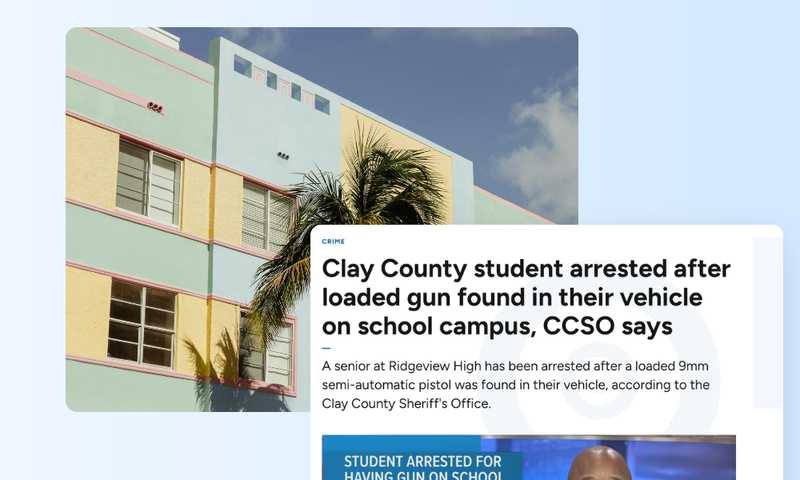
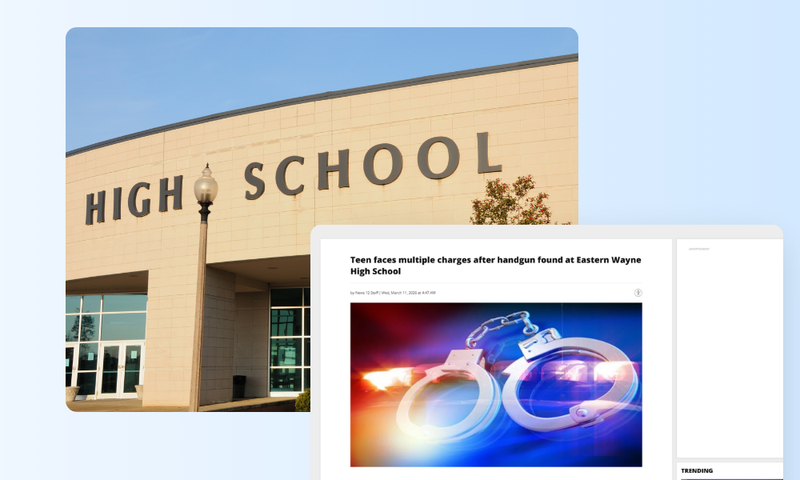
- A teenager faces charges following gun detection at Riverdale High School, raising questions about current security protocols
- The incident demonstrates both the effectiveness of existing detection methods and potential gaps in comprehensive threat prevention
- Educational institutions nationwide are reassessing their weapon detection capabilities in response to similar events
- Advanced AI-powered security systems offer enhanced real-time threat identification beyond traditional screening methods
Riverdale High School Detection Details
The incident occurred at Riverdale High School when security measures successfully identified a firearm in the possession of a student. The teen now faces charges related to bringing a weapon onto school property.
Riverdale High School serves the Rutherford County community in Tennessee, operating within a district that has implemented various security measures over recent years. The successful detection prevented the potential escalation of the situation.
The incident occurred on February 24, 2026, with authorities responding promptly once the weapon was identified through security screening procedures. Law enforcement worked with school administrators to address the situation and file appropriate charges.
Why Early Detection Systems Matter for Educational Security
This Riverdale incident illustrates the critical importance of robust weapon detection capabilities at entry points. Traditional metal detectors and manual security checks form the foundation of school safety protocols, but they represent just one layer of comprehensive security.
Modern educational institutions face mounting pressure to balance open learning environments with necessary security measures. The challenge extends beyond simple detection to include behavioral analysis, threat assessment, and rapid response coordination.
Advanced detection systems can identify weapons through multiple modalities, including visual recognition, thermal imaging, and behavioral pattern analysis. These technologies work continuously rather than only at designated checkpoints, providing broader coverage throughout school facilities.
The integration of artificial intelligence enhances detection accuracy while reducing false positives that can disrupt educational activities. Machine learning algorithms can distinguish between actual threats and common objects that might trigger traditional sensors.
Lessons from the Riverdale Detection
Security leaders should evaluate their current detection capabilities against evolving threat patterns. The Riverdale incident succeeded because existing systems functioned as designed, but similar situations might require more sophisticated approaches.
Multi-layered security strategies combine perimeter detection, behavioral monitoring, and rapid response protocols. Each layer provides redundancy while addressing different aspects of threat identification and mitigation.
Staff training remains crucial for effective security implementation. Technology systems require human oversight and decision-making to translate detection capabilities into appropriate responses.
Regular assessment of detection coverage helps identify potential blind spots or gaps in current security arrangements. This includes evaluating both technological capabilities and procedural effectiveness.
Budget allocation for security upgrades should prioritize systems that provide the broadest threat detection while minimizing disruption to daily educational activities.
AI-powered security solutions offer enhanced threat identification through continuous learning and adaptation. These systems can recognize emerging threat patterns and adjust detection parameters accordingly.
Concerned about weapon detection capabilities? Learn how AI-powered systems identify threats in real-time at our Gun and Weapon Detection Resource Center.
Editorial Disclosure: This article was produced with AI assistance and reviewed by VOLT AI editorial team. News sources are linked for verification. VOLT AI provides AI-powered security solutions for educational institutions, healthcare facilities, and residential communities. For more information, visit volt.ai.