School Shooting Prevention Technology: Moving from Response to Prevention
School Shooting Prevention Technology: Moving from Response to Prevention
What's in the Guide?
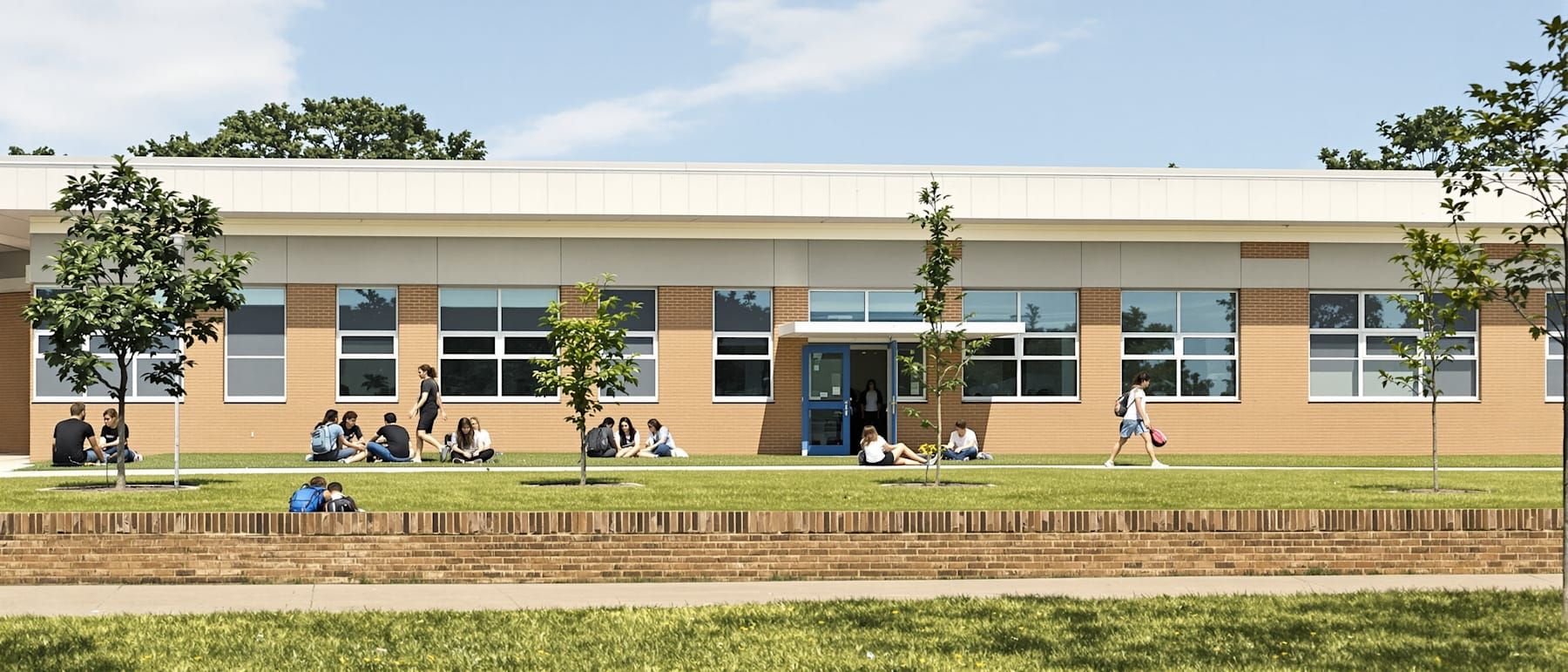
For decades, schools have relied on reactive security—metal detectors, guards, and lockdowns—to respond after a threat has already materialized. But today, advanced AI-powered technology is changing everything. This guide explores how prevention-focused systems can detect possible threats and help staff notice them and act.
Inside, you’ll learn how prevention technology helps schools:
Detect visible weapons, aggressive behaviors, and unauthorized access
Integrate seamlessly with existing security camera systems
Reduce false alarms while maintaining student privacy
Support more coordinated emergency procedures
Whether you’re protecting a single K–12 campus, a university, or a district-wide network, this guide shows how AI-driven prevention can transform security from reactive measures to proactive protection.
Don't have time to read this?
Take a copy with you
- 1 Introduction
- 2 The Current State of School Security: Beyond Traditional Measures
- 3 How Prevention Technology Actually Works: Detection Systems
- 4 How Prevention Technology Actually Works: Detection Systems
- 5 The Human Element: Balancing Technology with Privacy and Learning
- 6 Implementation Strategies: Building Comprehensive Prevention Programs
- 7 The Future of School Safety: Proactive Protection Models
- 8 Take Action Toward Prevention
- 9 Download Now
Table of Contents
Select Your Chapter
For decades, our approach to school safety has been fundamentally reactive. We've invested billions in metal detectors, armed guards, and lockdown procedures, all designed to respond after a threat has already materialized. But what if staff could notice possible threats and act?
A school where security cameras don't just record incidents, they prevent them. Where artificial intelligence analyzes behavior patterns, helping staff notice potential threats and act. This isn't science fiction; it's the reality we're building today through advanced school shooting prevention technology.
From Response to Prevention
The paradigm shift from reactive to preventive security represents more than just technological advancement, it's a fundamental reimagining of how we protect our educational communities. Modern school shooting technology now offers the capability to detect visible weapons, analyze suspicious behaviors, and alert the people who can act when a potential threat emerges.
This transformation means we can focus on creating environments where learning thrives, rather than spaces dominated by security fears. We're moving beyond the era where schools must choose between feeling like prisons or remaining vulnerable.
A Third Path Forward
Today's prevention technology offers a third path: intelligent, proactive protection that preserves the open, welcoming nature of educational environments while providing unprecedented security capabilities. This evolution doesn't just protect lives, it protects the very essence of what schools should be.
Educational leaders evaluating school shooting prevention technology need to understand the fundamental difference between traditional surveillance and modern AI-powered detection systems. Unlike passive cameras that simply record events, today's prevention technology analyzes video to help staff notice potential threats.
The Intelligence Behind Prevention
Modern school shooting technology operates through sophisticated artificial intelligence built to recognize visible weapons, suspicious behaviors, and developing threat scenarios. These systems process visual data from existing security cameras, transforming them from simple recording devices into intelligent guardians that never blink or lose focus.
The AI algorithms analyze multiple data points simultaneously: object recognition for weapons detection, behavioral pattern analysis for identifying concerning actions, and situational awareness for understanding context. When a potential weapon is detected, it flags it and alerts security personnel.
Beyond Basic Detection
For school administrators and security directors, the practical implications are significant. The system can distinguish between a maintenance worker carrying tools and someone brandishing a weapon. It recognizes the difference between students engaged in typical teenage interactions and behavior patterns that suggest escalating conflict or potential violence.
This level of sophisticated analysis means fewer false alarms disrupting the educational environment while ensuring genuine threats receive attention. The technology adapts to each school's unique environment, learning normal traffic patterns and typical behaviors to better identify anomalies that require intervention.

Integration Without Disruption
One compelling aspect for budget-conscious administrators is that these systems work with existing camera infrastructure. Schools don't need to replace their current surveillance equipment—the AI-powered analysis layer integrates with cameras already in place, maximizing the return on previous security investments.
The system connects with emergency communication protocols, notifying designated personnel through multiple channels when threats are detected. This integration ensures that prevention technology enhances existing safety procedures rather than complicating them.
Response Capabilities
When the system identifies a potential threat, the alert names what was seen and where; the email and the VOLT app show the camera view. This intelligence allows for informed decision-making rather than reactive responses based on incomplete information.
This speed advantage can mean the difference between prevention and tragedy.
Educational leaders require concrete evidence when investing in school shooting prevention technology. The data from real-world implementations demonstrates measurable improvements in both security capabilities and response effectiveness, providing the documentation administrators need to justify these critical investments.
University of Illinois Chicago: Comprehensive Campus Protection
The University of Illinois Chicago's implementation of AI-powered video intelligence across 142 critical camera streams provides a compelling case study for large educational institutions. Technical and Intelligence Officer Demetrius Anderson reported significant improvements in threat detection capabilities, including advanced weapons detection that provides "peace of mind that a weapon will be recognized in real time."
The system's comprehensive approach extends beyond basic weapons detection to include person-down detection for medical emergencies and after-hours occupancy alerts. This multi-layered protection allowed UIC to reduce reliance on costly third-party security services while improving overall safety outcomes.

Prescott High School: Proactive Intervention Success
According to research published in the Journal of School Violence, early intervention in school conflicts reduces injury rates compared to incidents that escalate without response. Prescott's results align with these findings, demonstrating the practical value of preventing school shootings technology in everyday school environments.

Measurable Security Improvements
False alarms are a critical concern for administrators. A VOLT reviewer checks a moment by default before staff are notified.
Visible intelligent monitoring serves as an effective deterrent while providing actual protection capabilities.
Cost-Effectiveness Analysis
For budget-conscious administrators, the financial benefits extend beyond security improvements. Schools report reduced costs associated with incident response, lower insurance premiums due to enhanced safety measures, and decreased liability exposure through proactive threat prevention.
The technology's ability to integrate with existing camera systems means implementation costs focus on software and training rather than complete infrastructure replacement. Schools typically see return on investment within 18-24 months through reduced security staffing needs and prevented incident costs.
Privacy and Compliance Considerations
Educational leaders consistently express concerns about student privacy when implementing surveillance technology. Modern school shooting prevention systems address these concerns through privacy safeguards that focus on behavior analysis rather than individual identification. The technology can flag concerning behaviors without storing personally identifiable information, maintaining compliance with educational privacy requirements.
Independent audits of these systems confirm that properly implemented AI-powered security technology can enhance safety while preserving student privacy rights. This balance addresses a primary concern for administrators evaluating prevention technology options.
The evidence clearly demonstrates that schools implementing comprehensive prevention technology can see improvements in security capabilities. For educational leaders responsible for protecting their communities, these documented results provide the foundation for informed decision-making about school shooting technology investments.

Educational leaders face the complex challenge of implementing school shooting prevention technology while preserving the nurturing environment essential for learning. The tragic shooting at Robb Elementary School in Uvalde, Texas in May 2022 highlighted critical communication failures, yet administrators must ensure these solutions don't transform schools into fortress-like environments that inhibit education.
Learning from Recent Tragedies
The Covenant School shooting in Nashville, Tennessee in March 2023 demonstrated how situations can escalate when early warning systems fail. According to CNN's detailed timeline, the shooter entered the building and moved through multiple areas before being confronted.
The Oxford High School shooting in Michigan in November 2021 revealed another critical gap: warning signs that went unrecognized until tragedy occurred.
Privacy-First Implementation Strategies
Successful implementation requires addressing legitimate privacy concerns from parents, students, and civil liberties advocates. Modern systems employ privacy-by-design principles that analyze behaviors and objects rather than identifying specific individuals.
Key privacy protections include:
- No facial recognition technology
- Anonymous behavior pattern analysis
- Weapon and object detection without personal identification
- Secure data handling that complies with educational privacy laws
School boards evaluating these systems should understand that effective school shooting prevention technology operates without personal data collection. This approach allows schools to prevent school shootings while respecting student privacy rights.
Maintaining Educational Environments
The psychological impact of security measures on learning environments cannot be overlooked. Research published in theAmerican Educational Research Journal in 2024 found that students in schools with visible, intrusive security measures showed decreased academic engagement and increased anxiety levels.
Prevention technology addresses this concern by operating invisibly within existing infrastructure. Students continue their daily activities without constant reminders of security presence, while administrators gain comprehensive protection capabilities.
Staff Training and Human Validation
School shooting technology requires proper human oversight to function effectively. The Perry High School shooting in Iowa in January 2024 occurred during early morning hours when minimal staff were present.
Essential training components include:
- Alert recognition and response procedures
- Coordination with your existing emergency procedures
- Student communication during emergencies
- System operation and troubleshooting basics

District leaders and superintendents require clear implementation frameworks when deploying school shooting prevention technology across their educational systems. The planning process extends beyond technology procurement to encompass staff training, community engagement, and integration with existing emergency response protocols.
Assessment and Planning Phase
Successful implementation begins with comprehensive security assessments that identify vulnerabilities specific to each school environment. The shooting at The Covenant School highlighted how attackers study facility layouts and security protocols before striking.
Critical assessment areas include:
- Current camera coverage and blind spots
- Emergency communication system effectiveness
- Staff readiness
- Integration points with your existing emergency procedures
- Student and staff traffic pattern analysis
Schools should conduct tabletop exercises that simulate various threat scenarios, identifying where current protocols would fail and where AI-powered detection can help. The 2023 shooting at East High School in Denver demonstrated how situations can develop in common areas like hallways and cafeterias, spaces that prevention technology monitors continuously.
Integration with Emergency Response
Prevention technology must integrate seamlessly with existing emergency management protocols rather than replacing them entirely. The delayed response during the Uvalde shooting partially resulted from communication breakdowns between different agencies and systems.
Modern school shooting prevention technology provides:
- Unified command capabilities
- Coordinated alert systems across all platforms
District emergency management coordinators should work with technology providers to ensure new systems enhance rather than complicate existing protocols. The goal is creating unified command capabilities that provide decision-makers with accurate, timely information during critical incidents.
Community Engagement and Transparency
Parent and community concerns about surveillance technology in schools require proactive communication strategies. The implementation at Prescott High School succeeded partly because administrators engaged parents early in the process, explaining how the technology would protect students while respecting privacy rights.
Effective engagement strategies include:
- Public forums addressing privacy concerns
- Transparent explanations of technology capabilities
- Clear policies on data handling and storage
- Regular updates on system performance and benefits
- Student and parent feedback opportunities
Training and Operational Readiness
The effectiveness of school shooting prevention technology depends heavily on proper staff training. The chaos during the Oxford High School shooting revealed how stress affects decision-making during emergencies.
Comprehensive training programs ensure staff can respond appropriately to alerts while maintaining calm authority that reassures students. Training should include recognition of system alerts, proper escalation procedures, and coordination with your existing emergency procedures.
Training schedule recommendations:
- Initial certification for all staff (8 hours)
- Quarterly refresher sessions (2 hours)
- Annual emergency response drills with technology integration
- New staff orientation including system overview
- Administrative training for system management
Budget Planning and Sustainability
Financial planning for prevention technology extends beyond initial implementation costs to include ongoing maintenance, training, and system updates.
Budget considerations include:
- Initial software licensing and installation
- Staff training and certification costs
- Ongoing maintenance and support contracts
- Technology refresh cycles every 3-5 years
- Integration costs with existing systems
Some schools find that grant funding through federal and state safety initiatives helps offset implementation costs while providing additional resources for comprehensive safety improvements.
Try it: the campus security plan assessment — answer a few questions and get a phased plan for your own site.
Past tragedies show where gaps in reactive security can appear. Looking at three incidents from recent years, we can see where detection can help staff notice a threat.
Case Study 1: Robb Elementary School, Uvalde, Texas - May 24, 2022
What Happened: The shooter crashed his vehicle near the school at 11:28 AM, then scaled a fence and entered through an unlocked door. He remained in connected classrooms for over an hour while confusion about response protocols delayed intervention. 21 people died.
VOLT keeps visually tracking a person by appearance after they've been identified with a visible weapon, even once the weapon is hidden.
Case Study 2: The Covenant School, Nashville, Tennessee - March 27, 2023
What Happened: The shooter arrived at 9:54 AM, shot through glass doors to enter the building, and moved through multiple areas before being confronted by police at 10:13 AM. Six people died during the 19-minute incident.
Case Study 3: Oxford High School, Michigan - November 30, 2021
What Happened: A 15-year-old student retrieved a handgun from his backpack and opened fire in hallways and classrooms. The shooting lasted approximately 5 minutes, resulting in 4 deaths and 7 injuries. Warning signs had been present but were not adequately addressed.
On the day of the shooting, the handgun was visible. Unlike metal detectors that create bottlenecks at entrances, AI-powered detection works across the areas cameras cover.
Prevention opportunities:
- VOLT detects possible handguns, long guns, and knives visible to the camera.
The Prevention Technology Difference
VOLT is built to notice moments: a fall, a possible fight, someone where they shouldn't be.
Response Improvements:
- Alerts name what was seen and where
- Support for your existing emergency procedures
Prevention Capabilities:
- Early identification of concerning behavioral patterns
- Response to unauthorized access or weapons
- Comprehensive situational awareness for decision-makers
These analyses show that prevention technology offers practical capabilities, not just theoretical benefits. The question for educational leaders is not whether prevention technology works, but whether they can afford to continue relying on reactive security measures when proactive solutions are available.

See VOLT on your own cameras.
A short call, your sites, and a clear view of what VOLT would notice.
No commitment · Runs on the cameras you already have