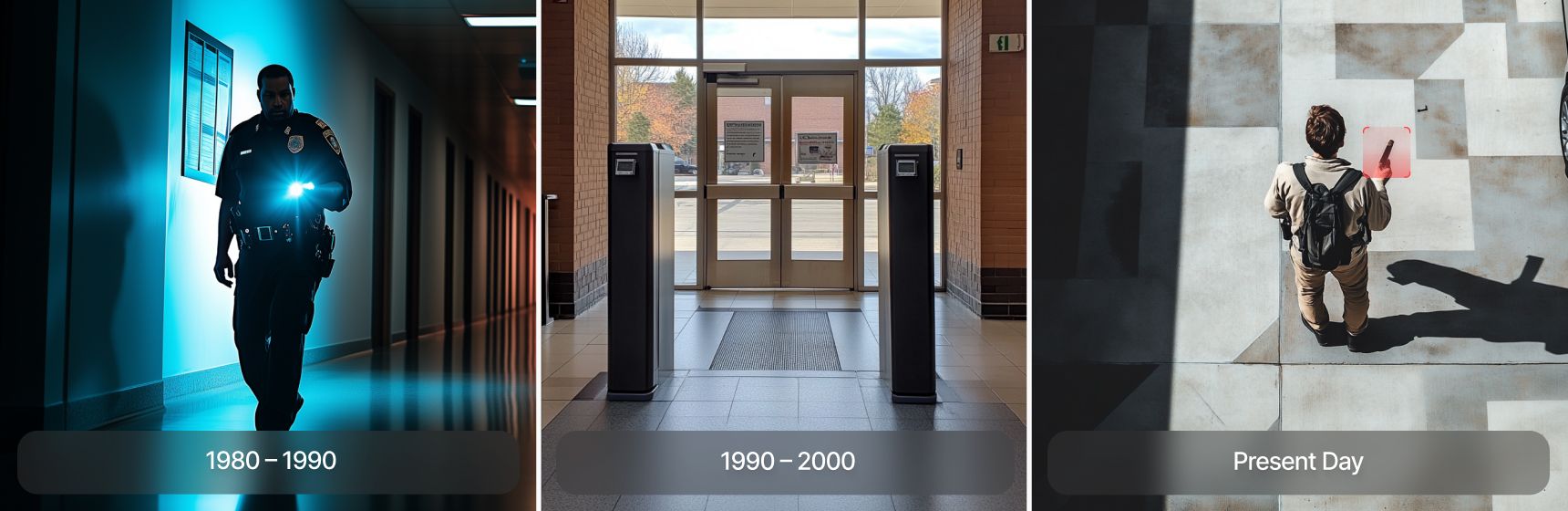
Artificial intelligence fundamentally changes how security systems operate, shifting from passive recording devices to active threat and gun detection platforms. Modern AI security systems analyze video feeds continuously, identifying potential threats and concerning behavior patterns rather than serving only as evidence tools after incidents occur.
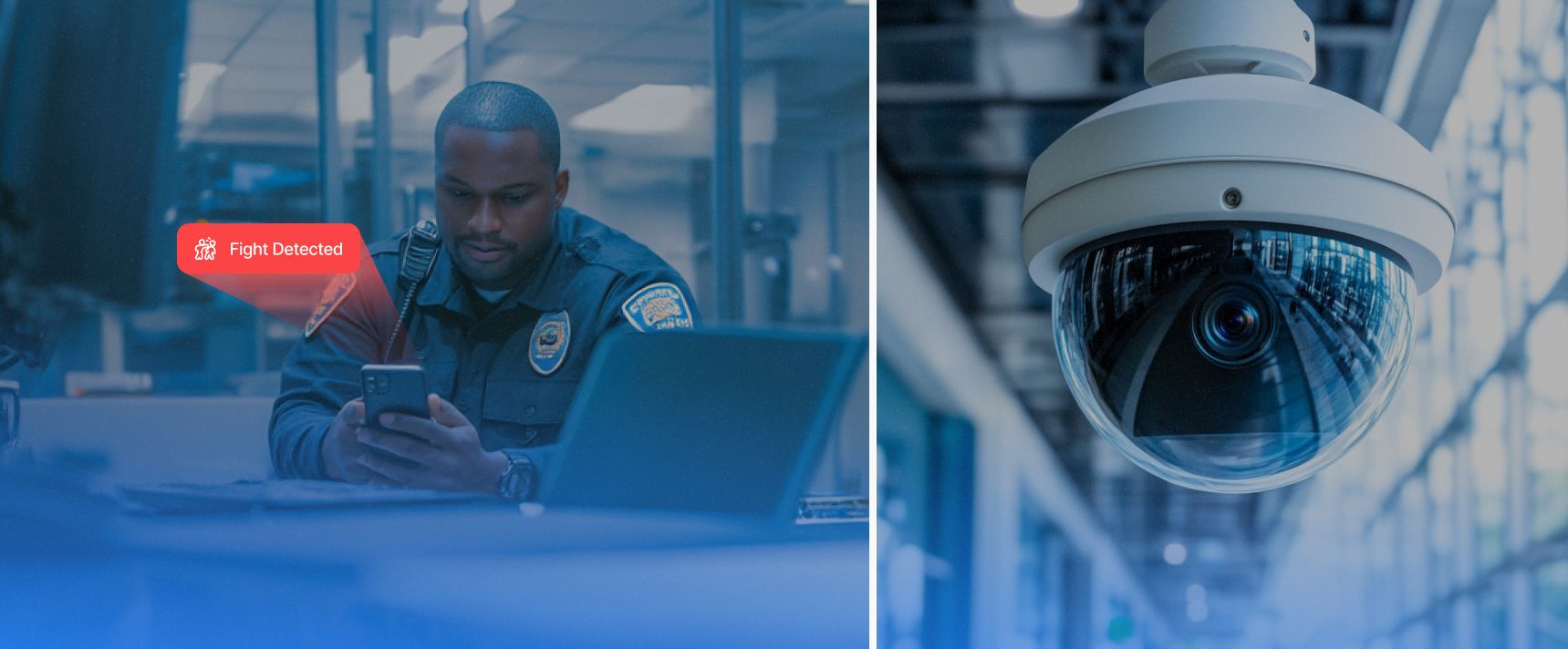
From Passive Recording to Active Protection
Traditional security cameras capture footage that requires human review to identify threats or incidents. This approach creates a gap between when events occur and when anyone acts.
AI-powered systems process video feeds continuously, applying algorithms built on extensive datasets to recognize possible threats and emergency situations as they develop. These systems watch all connected areas at once, helping close the coverage gaps of traditional camera monitoring.
The technology operates through advanced computer vision models that can distinguish between normal activities and potential security threats. The system adapts to specific facility layouts and typical activity patterns.
Integration with existing camera infrastructure allows organizations to enhance their current security investments rather than replacing entire systems. This approach reduces implementation costs while dramatically improving detection capabilities across all monitored areas.
AI transforms security from reactive investigation to proactive threat prevention through continuous intelligent monitoring.
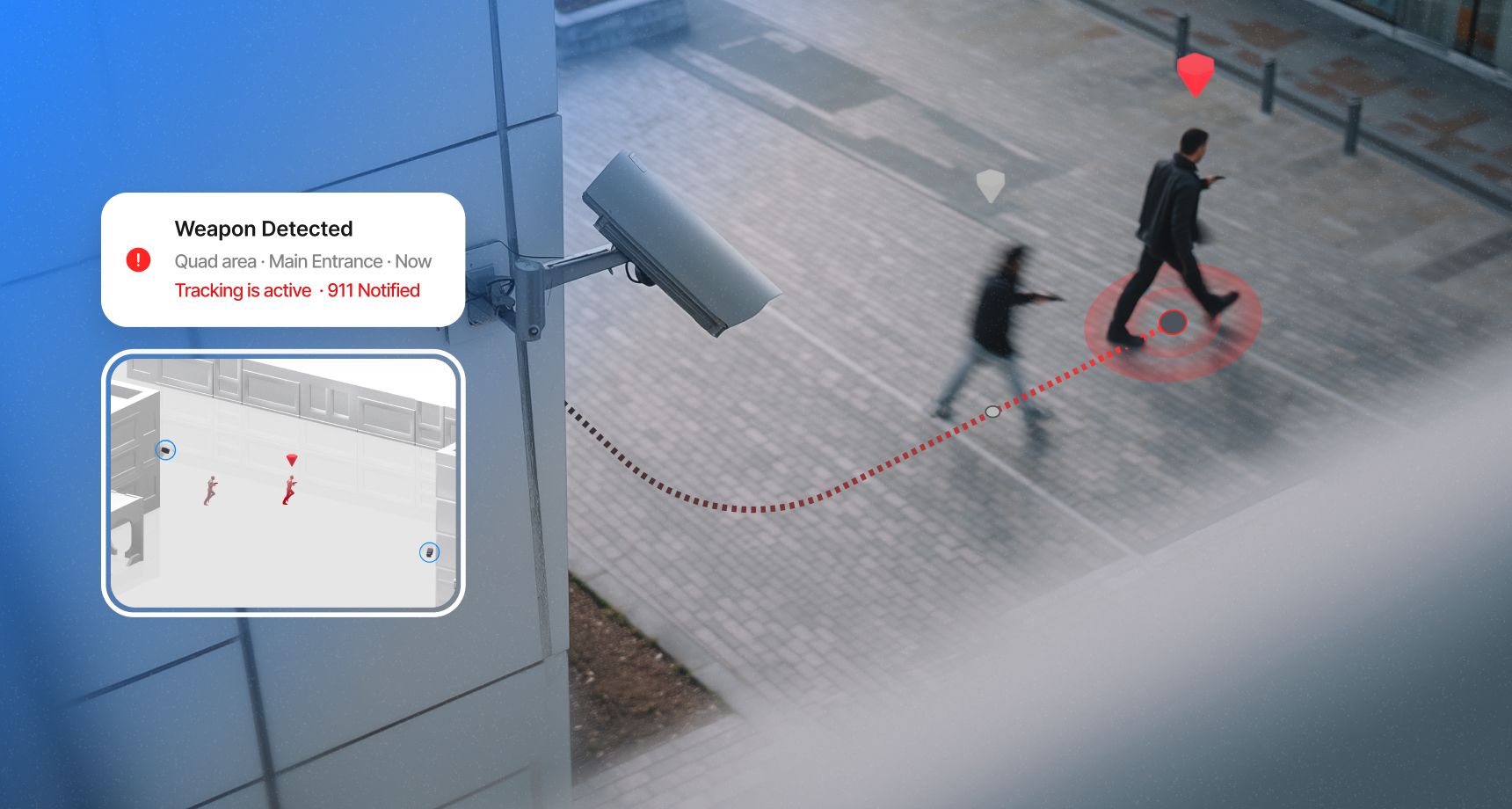
The Intelligence Behind Detection
Modern AI security platforms use neural networks and deep learning models to process visual information. These systems analyze multiple data points together, including object recognition, movement patterns, and behavioral anomalies that might indicate developing threats.
Computer vision technology recognizes weapons in view of the camera. VOLT detects possible handguns, long guns, and knives visible to the camera. It works across various lighting conditions, camera angles, and environmental factors that might challenge human observers.
Cloud-based analysis provides additional processing power for complex scenarios and supports multi-site organizations.
Machine learning models adapt to specific environments over time, learning normal activity patterns and reducing false positive alerts while maintaining high sensitivity to genuine threats. This adaptive capability ensures that security systems become more effective and efficient through continued operation.

How alerts are reviewed
A VOLT reviewer checks a moment by default before staff are notified.
Reviewer feedback helps tailor alerts to each facility and its security requirements. This iterative improvement ensures that systems become more reliable and effective through operational experience.
Human validation bridges AI capabilities with human judgment.

Weapon Recognition Across Multiple Scenarios
AI systems look for firearms including handguns, rifles, and shotguns when they are visible to the camera. The technology is built for conditions that challenge traditional security approaches.
Detection Capabilities Include:
- Weapons visible to the camera
- Various firearm types including pistols, rifles, and shotguns
Environmental Adaptability:
- Different lighting conditions from bright daylight to low-light situations
- Weather variations for outdoor camera installations
- Crowded environments where multiple people create visual obstacles
- Various camera angles, distances, and positioning challenges
The systems distinguish between everyday items and real threats, reducing false alarms triggered by objects like tools, toys, or personal items. Processing runs the same way regardless of facility size or camera count, so all connected areas get consistent coverage.
AI weapon detection provides reliable threat identification across the complex scenarios that real-world security environments present.
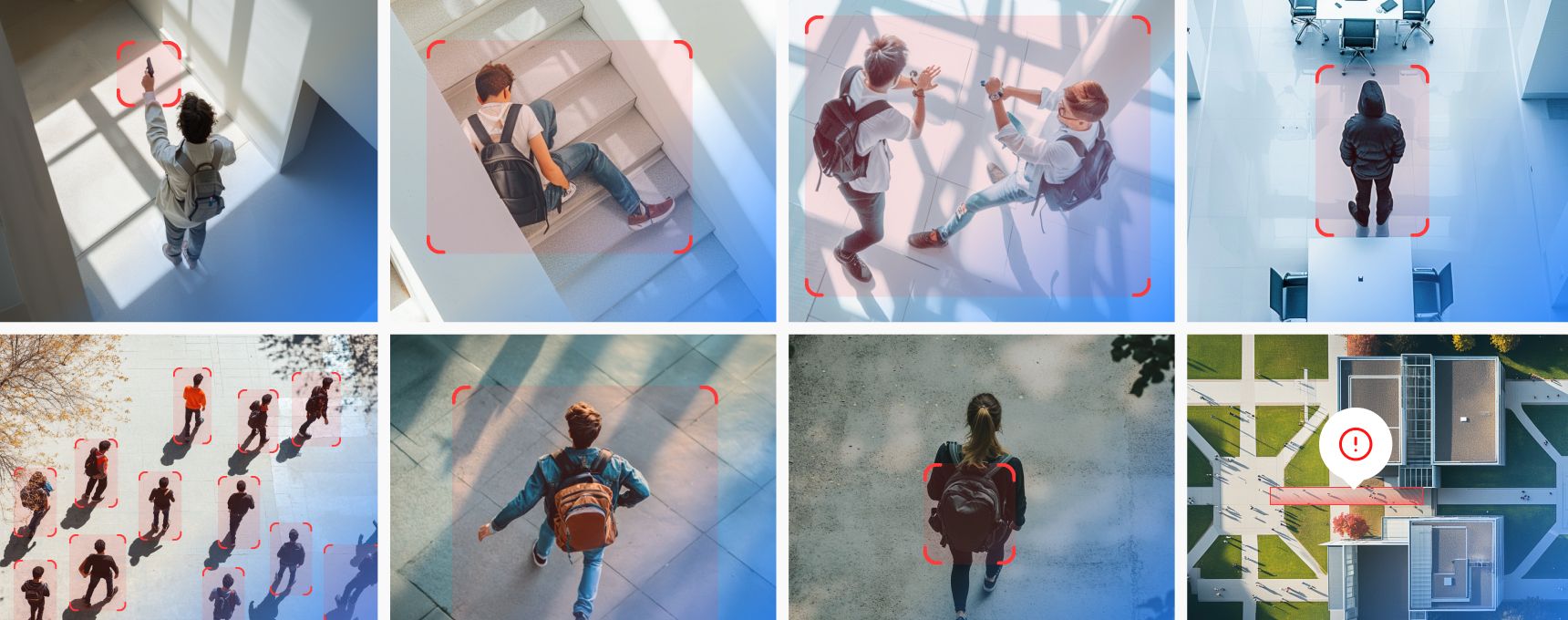
Beyond Weapons: Comprehensive Safety Detection
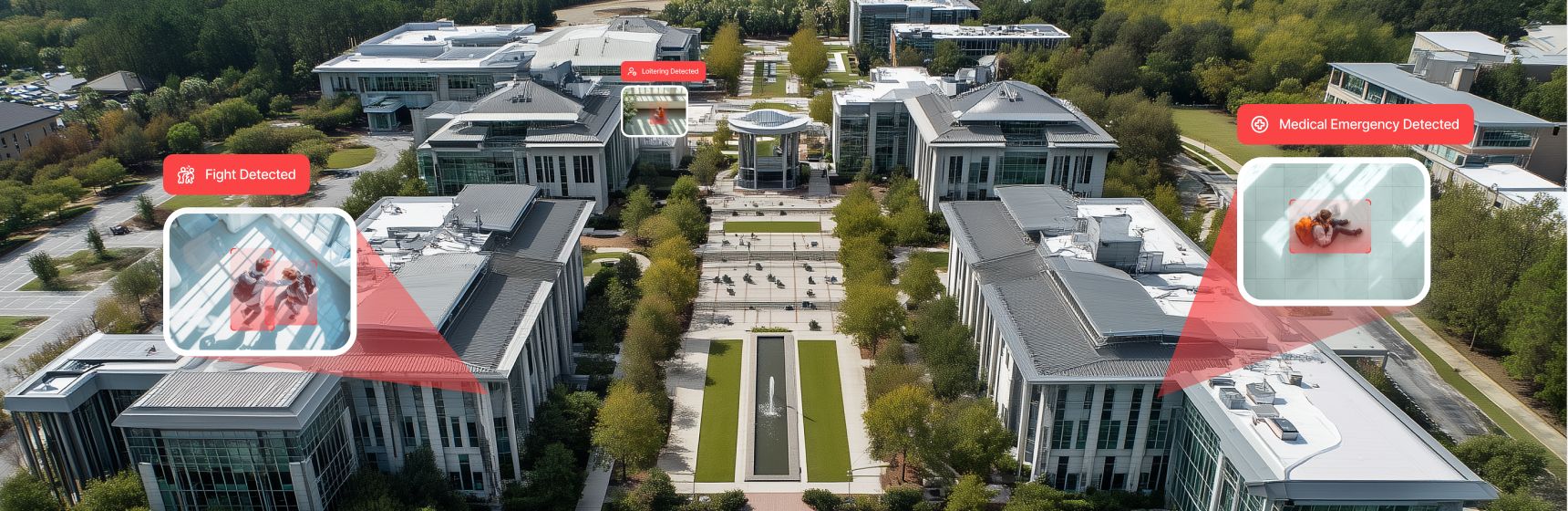
VOLT is built to notice moments: a fall, a possible fight, someone where they shouldn't be.
Medical Emergency Detection:
- Person-down incidents including falls and collapses
- Individual distress situations requiring medical intervention
- Unresponsive individuals in critical situations
Behavioral and Security Monitoring:
- Fighting and aggressive behavior as altercations develop
- Unauthorized access to restricted or sensitive areas
- Suspicious loitering patterns that may precede criminal activity
Object and Environmental Awareness:
- Abandoned packages or bags in sensitive locations
- Suspicious items left unattended for extended periods
- Objects placed in unusual or concerning locations
- Environmental changes that may indicate security concerns
Comprehensive detection capabilities address the full spectrum of security and safety concerns that modern facilities face daily.
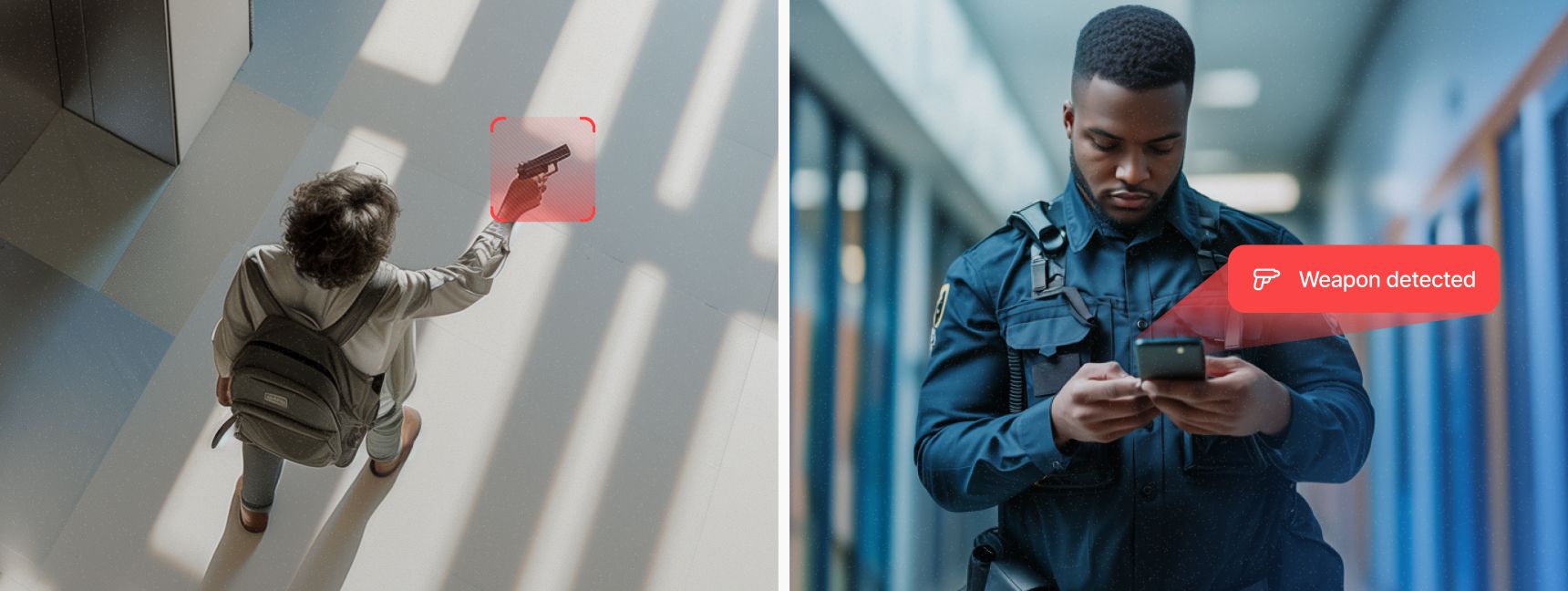
Performance Standards That Deliver Results
AI detection systems are built to minimize false positive alerts that can overwhelm security personnel.
Alert Delivery:
- Notification delivery to designated staff
- Integration with mobile devices and existing communication systems
System Reliability Features:
- Robust uptime performance with redundancy capabilities
- Continued operation during network connectivity issues
- Cloud-based backup processing for enhanced reliability
- Edge computing that maintains function during technical challenges
Continuous Improvement:
- Machine learning algorithms that adapt to facility environments
- Alert tuning based on operational feedback
- Reduced false positives through environmental learning
- Enhanced detection capabilities through ongoing system updates
Performance metrics demonstrate consistent reliability that enhances security operations rather than creating additional workload for personnel.
Security administrators face critical decisions about which technologies and approaches fit their facilities and communities. Each security method offers distinct advantages and limitations that must be evaluated against specific operational requirements, budget constraints, and threat environments to determine optimal protection strategies.
Metal Detectors: Entry Point Protection with Limitations
Metal detectors provide reliable detection of metallic weapons at designated entry points, offering a visible security presence that can deter potential threats. These systems excel in controlled access environments where individuals must pass through screening checkpoints during entry procedures.
Metal Detector Advantages:
- Proven effectiveness at detecting metallic weapons and objects
- Identification of prohibited items during screening
- Visible deterrent effect that may discourage weapon carrying
- Established protocols for security personnel operation
- Clear regulatory compliance for institutions requiring screening
Operational Challenges:
- Limited coverage to entry points only, leaving internal areas unmonitored
- Significant time delays during high-traffic periods
- False positives from legitimate metal objects like keys and jewelry
- Potential to create institutional atmosphere that impacts facility environment
- Staffing requirements for effective operation and response
Implementation Considerations:
- Installation and maintenance costs for multiple entry points
- Daily operational disruptions during peak entry times
- Staff training requirements for proper equipment operation
- Integration challenges with existing facility access systems
Metal detectors provide effective entry screening while requiring careful consideration of their impact on facility operations and user experience.

Security Personnel: Human Intelligence with Coverage Gaps
Security personnel offer threat assessment, physical presence, and the flexibility to adapt to changing situations as they develop. Human security provides a valuable deterrent and serves essential roles in emergencies and visitor interaction.
Personnel Advantages:
- Intelligent decision-making and situational assessment capabilities
- Physical intervention potential
- Flexibility to address diverse security and safety situations
- Customer service and visitor assistance capabilities
- Leadership during emergency situations and crisis response
Human Limitations:
- Attention span decreases significantly after sustained monitoring periods
- Physical presence limited to specific locations at any given time
- Fatigue factors that reduce effectiveness during extended shifts
- Inconsistent performance levels based on individual training and experience
- Higher long-term costs compared to technology-based solutions
Staffing Considerations:
- Coverage requirements for multiple shifts and locations
- Training investments for effective security operations
- Ongoing salary and benefit costs for qualified personnel
- Backup staffing needs for vacations, illness, and peak periods
Security personnel provide essential human judgment and response capabilities while facing inherent limitations in sustained monitoring and coverage scope.

Silent Alarms: Reactive Response After Incidents Begin
Silent alarm systems send a signal once someone identifies a threat and triggers them.
Silent Alarm Benefits:
- Discrete activation that doesn't alert potential threats
- Compliance with regulatory requirements like Alyssa's Law
- Integration capabilities with existing security infrastructure
Response Limitations:
- Activation typically occurs after incidents have already begun
- Dependence on human recognition and activation decisions
- Limited prevention capabilities for developing threats
- Potential delays between incident start and alarm activation
- No threat detection capabilities for unwitnessed events
Emergency notification systems provide crucial communication capabilities while requiring other detection methods to identify threats requiring response.

Traditional Camera Monitoring: Investigation Excellence, Limited Prevention
Conventional security cameras excel at evidence collection and post-incident investigation, providing detailed documentation that supports security analysis and legal proceedings. These systems offer comprehensive coverage and reliable recording capabilities across facility areas.
Investigation Strengths:
- High-quality video evidence for incident documentation
- Comprehensive coverage of facility areas and access points
- Reliable recording capabilities for legal and administrative purposes
- Deterrent effect from visible camera presence
- Cost-effective monitoring infrastructure for large areas
Prevention Limitations:
- Reactive approach requiring human review for threat identification
- Limited monitoring capabilities during active incidents
- Dependence on staff availability for continuous observation
- Delayed threat recognition that reduces response effectiveness
- No automatic alert generation for developing situations
Traditional camera monitoring provides excellent documentation capabilities while requiring additional technologies for proactive threat detection.
Comprehensive Security Method Comparison
The following analysis examines key security approaches across critical performance factors that determine effectiveness in real-world applications. Understanding these differences enables informed decision-making about optimal security investments for specific facility needs.
Artificial intelligence fundamentally transforms security operations from reactive investigation to proactive threat prevention, creating capabilities that address modern security challenges more effectively than traditional approaches. The technology enables comprehensive monitoring, coordination support, and adaptive learning that evolves to meet emerging threats in real-world environments.
Proactive Prevention Changes the Security Equation
Traditional security measures respond to incidents after they begin. AI systems look for potential threats as situations develop, so your staff can decide what happens next.
VOLT is built to notice moments such as:
- A fall
- A possible fight
- Someone where they shouldn't be

Scalability Meets Cost Efficiency
AI security systems analyze connected camera feeds together, with coverage that scales with the facility. This scalability enables organizations to enhance security posture while controlling operational costs over time.
Operational Scalability:
- Consistent performance regardless of system size
- Centralized management for multi-location organizations
- Automatic coverage expansion as new cameras are added
Cost Efficiency Benefits:
- Integration with existing camera infrastructure eliminates replacement costs
- Reduced reliance on large security teams and overtime expenses
- Automated monitoring that operates continuously without additional staffing
- Long-term cost reductions through improved security effectiveness
Resource Optimization:
- Security personnel deployment to high-value activities and response situations
- Technology investments that enhance rather than replace human capabilities
- Operational efficiency gains through automated threat detection and alert management
- Easier investigations through incident documentation
- Enhanced insurance and liability protection through comprehensive monitoring
Scalable AI security delivers expanding protection capabilities while controlling long-term operational expenses.
Adaptive Intelligence Improves Over Time
The system adapts based on operational experience and environmental feedback, creating security systems that become more effective through real-world deployment. This adaptive capability ensures that AI platforms evolve to address new threats and improve performance in specific facility environments.
Learning Capabilities:
- Algorithm refinement based on facility-specific activity patterns
- False positive reduction through environmental adaptation
- Threat recognition improvement through exposure to diverse scenarios
- Custom detection parameters that optimize performance for specific locations
- Behavioral baselines for each facility
Performance Enhancement:
- Alert tuning through operational feedback
- Alert customization that reduces unnecessary notifications while maintaining sensitivity
- Integration refinement that enhances compatibility with existing security protocols
- User interface improvements that streamline security team operations
Future-Ready Technology:
- Regular software updates that incorporate new threat detection capabilities
- Cloud-based processing that enables advanced algorithm deployment
- API integration that supports emerging security technologies
- Scalable architecture that accommodates evolving facility requirements
- Ongoing development that addresses changing security landscapes
Adaptive AI security systems deliver improving performance and evolving capabilities that enhance protection over time.
Successful AI security implementation requires comprehensive planning that addresses facility-specific requirements, stakeholder needs, and operational constraints.
Strategic Assessment: Understanding Your Security Landscape
Effective AI security deployment begins with detailed analysis of current security vulnerabilities, existing infrastructure capabilities, and specific protection requirements. This assessment process identifies priority areas for initial implementation while establishing the foundation for comprehensive security enhancement.
Facility Security Analysis:
- Current threat assessment including historical incident patterns and vulnerability areas
- Existing camera infrastructure evaluation for AI integration compatibility
- High-risk areas requiring priority detection and response protocols
- Traffic flow patterns that influence camera positioning and alert configurations
Operational Requirements:
- Staffing levels and security team capabilities for alert response
- School emergency protocols and staff roles
- Integration needs with existing security systems and communication platforms
- Success metrics definition including alert quality goals
Comprehensive assessment creates the strategic foundation necessary for successful AI security implementation and long-term operational success.

Technology Infrastructure: Preparing for AI Integration
AI security systems require specific technical capabilities to deliver optimal performance, including adequate network capacity, compatible camera specifications, and processing infrastructure. Proper infrastructure preparation ensures smooth deployment and reliable long-term operation.
Network and Processing Requirements:
- Bandwidth capacity sufficient for video streaming and AI processing
- Edge computing options for local AI processing
- Cloud connectivity for advanced analytics and multi-site coordination
- Backup systems that ensure continuous operation and data protection
Camera Infrastructure Evaluation:
- Existing camera compatibility with AI processing requirements
- Coverage area assessment and gap identification for comprehensive monitoring
- Integration capabilities with current video management systems
- Mobile device connectivity for alerts and remote monitoring
Proper infrastructure preparation enables reliable AI security operation and supports long-term system effectiveness and expansion.

Compliance and Privacy: Navigating Regulatory Requirements
AI security implementation must address privacy regulations, video monitoring laws, and industry-specific compliance requirements while maintaining effective threat detection capabilities. Understanding these requirements early in the planning process prevents implementation delays and ensures ongoing operational compliance.
Privacy and Legal Framework:
- Data encryption standards for video transmission and storage
- Privacy-preserving detection methods that focus on threats rather than individual identification
- Local and state laws governing camera deployment and operation
- Emergency notification mandates including Alyssa's Law compliance where applicable
Stakeholder Communication:
- Transparency initiatives that inform communities about security enhancements
- Clear policies regarding system capabilities and operational limitations
- Staff training protocols for proper system usage and privacy protection
- Regular compliance review processes to ensure ongoing adherence to evolving regulations
Comprehensive compliance planning ensures AI security implementation meets all regulatory requirements while maintaining community trust and operational effectiveness.
Successful AI security deployment requires systematic implementation that minimizes operational disruption while maximizing security enhancement.
Phased Rollout: Building Success Incrementally
Strategic phased implementation allows organizations to validate system performance, refine operational procedures, and build staff confidence before expanding to full facility coverage. This approach reduces risk while demonstrating value that supports continued investment and expansion.
Phase One: High-Priority Areas
- Critical access points and main entrances
- High-traffic areas
- Administrative and sensitive areas requiring enhanced protection
Phase Two: Expanded Coverage
- Secondary access points and perimeter monitoring
- Common areas and gathering spaces
- Integration with existing security systems and communication protocols
Phase Three: Comprehensive Implementation
- Complete facility coverage with all cameras AI-enabled
- Advanced features including behavioral analysis and pattern recognition
- Performance optimization based on operational experience and feedback
Phased implementation ensures systematic deployment success while building organizational confidence and operational expertise.

Staff Training: Empowering Effective Response
Comprehensive training programs prepare security teams, administrators, and staff members to utilize AI security capabilities effectively while maintaining appropriate response protocols. Proper training ensures that technology enhancements translate into improved safety outcomes through human action and decision-making.
Security Team Training:
- AI system operation including alert interpretation and response protocols
- Threat assessment procedures for different alert types and severity levels
- Escalation decisions under your school's emergency procedures
Administrative Training:
- System configuration and rule management for facility-specific requirements
- Incident reporting and documentation procedures for compliance and analysis
- Performance monitoring and analytics review for ongoing system optimization
General Staff Awareness:
- Basic system capabilities and operational procedures affecting daily activities
- Emergency response protocols when AI alerts are activated
- Privacy protection measures and appropriate system usage guidelines
Effective training programs ensure that AI security investments deliver maximum safety benefits through informed human response and decision-making.

Emergency Integration: Fitting Your Existing Protocols
AI security systems should fit into your existing emergency protocols, so your staff can coordinate during critical incidents.
Response Coordination:
- Incident alerts that name what was seen and where
- Clear escalation chains that put alerts in front of the right staff
- Medical emergency response coordination for health-related incidents
Performance Optimization:
- Regular drills and testing that validate system integration and response effectiveness
- After-action reviews that identify opportunities for protocol enhancement
Comprehensive emergency integration ensures AI security capabilities enhance rather than complicate existing response protocols and procedures.
Educational institutions face unique security challenges that require balancing comprehensive protection with the open, nurturing environment essential to learning and development. Schools must manage multiple access points, large populations, and diverse activities while maintaining the welcoming atmosphere that supports educational excellence and community engagement.
School-Specific Security Challenges
Educational environments present complex security scenarios that traditional approaches struggle to address effectively. Schools need protection systems that enhance safety without creating institutional atmospheres that interfere with learning and community involvement.
Campus Complexity Factors:
- Multiple building access points requiring monitoring without creating bottlenecks
- Large student populations with varying schedules and movement patterns
- Open campus designs that support learning while creating security monitoring challenges
- Special events and activities that bring additional visitors and security considerations
Educational Environment Requirements:
- Welcoming atmosphere that encourages learning and community engagement
- Privacy protection for students and educational activities
- Minimal disruption to academic schedules and daily operations
- Integration with existing school safety protocols and emergency procedures
Educational security solutions must address these complex requirements while delivering effective protection that supports rather than hinders the learning environment.

Success Stories: Real-World Educational Security Enhancement
Real-world deployments provide valuable insights into educational security.
Prescott High School Transformation: The 1,500-student Arizona high school shifted from reactive to proactive security management through its VOLT implementation. Principal Adam Neely noted that "everything we did with regard to student safety was reactive" before AI deployment.
Real-world implementations demonstrate how AI security enhances educational safety while supporting positive learning environments.

Implementation Considerations for Educational Institutions
Schools require implementation approaches that address educational-specific operational requirements, community concerns, and regulatory compliance while delivering effective security enhancement. Successful educational deployments consider both technical capabilities and community acceptance factors.
Community and Operations:
- Transparent communication about security enhancements and privacy protection measures
- Implementation schedules that minimize disruption to academic activities
- Staff training programs that fit within existing professional development frameworks
- Cost-effective integration with existing camera infrastructure
Educational institutions achieve successful AI security implementation through comprehensive planning that addresses both technical requirements and community needs.
AI security technology delivers benefits across diverse facility types, each with unique operational requirements and protection challenges. Healthcare facilities, multi-family properties, and corporate environments present distinct security scenarios that require specialized approaches while maintaining the core benefits of intelligent threat detection.
Healthcare Facility Security: Protecting Vulnerable Populations
Healthcare environments require security solutions that protect patients, staff, and sensitive areas while maintaining the therapeutic atmosphere essential to healing and recovery. These facilities face unique challenges including vulnerable patient populations and valuable equipment.
Healthcare-Specific Security Needs:
- Patient safety monitoring including fall detection and medical emergency response
- Controlled access to sensitive areas including pharmacies and medical supply storage
- Violence prevention in high-stress situations involving patients and families
- Asset protection for expensive medical equipment and pharmaceutical supplies
Operational Considerations:
- Privacy compliance with HIPAA regulations and patient confidentiality requirements
- Integration with existing medical alert systems and emergency response protocols
- Monitoring that supports continuous healthcare operations
Healthcare AI security systems provide comprehensive protection while supporting the primary mission of patient care and healing.
Multi-Family Property Security: Enhancing Resident Safety
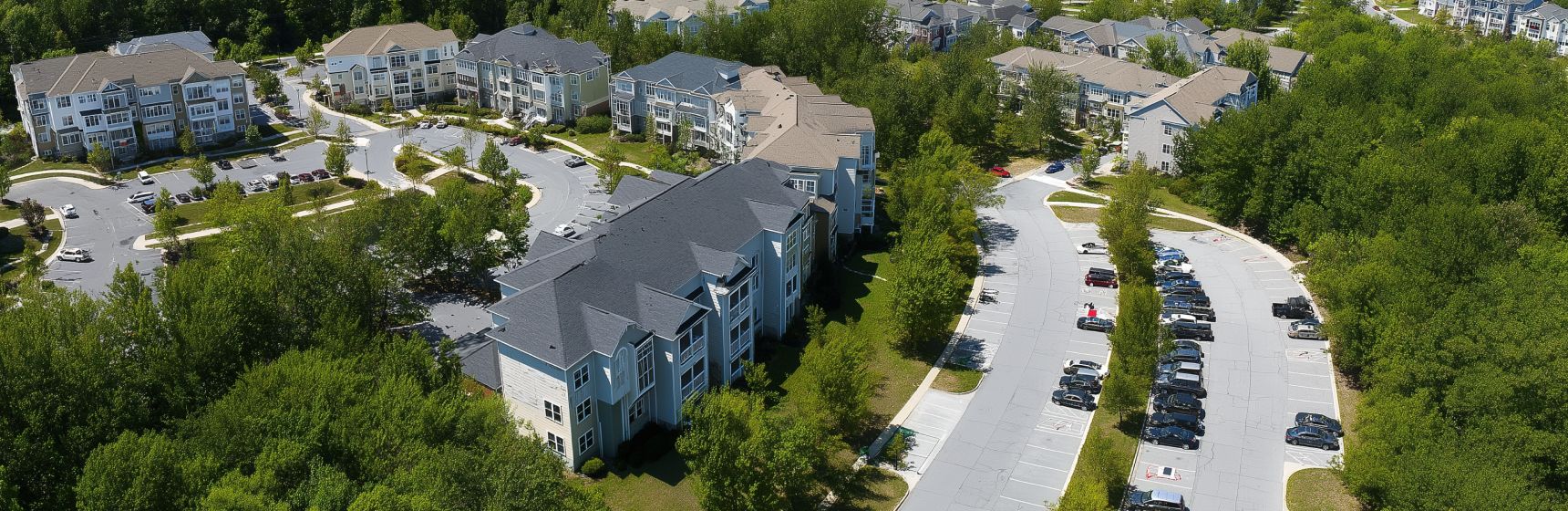
Residential property managers face the challenge of providing comprehensive security coverage while respecting resident privacy and maintaining community atmosphere. AI security systems address these requirements through intelligent monitoring that enhances safety without creating institutional environments.
Residential Security Requirements:
- Common area monitoring including lobbies, fitness centers, and recreational facilities
- Parking area security with vehicle and pedestrian monitoring capabilities
- Emergency response coordination for medical incidents and security threats
Property Management Benefits:
- Incident documentation that supports insurance claims and liability protection
- Reduced security staffing costs through automated monitoring and alert systems
- Enhanced property value through comprehensive safety features and resident protection
Multi-family AI security systems provide comprehensive protection while maintaining the residential community atmosphere that residents value.

Corporate and Commercial Applications: Workplace Protection
Corporate facilities require security solutions that protect employees, visitors, and valuable assets while supporting business operations and maintaining professional environments. These applications can involve large campuses and diverse operational requirements that benefit from scalable AI security capabilities.
Corporate Security Needs:
- Workplace violence prevention through behavioral monitoring and threat detection
- Asset protection for intellectual property, equipment, and sensitive business information
- Multi-location monitoring for organizations with distributed facilities and operations
Business Operation Integration:
- Scalable deployment across multiple locations with centralized management capabilities
- Cost-effective security enhancement that reduces reliance on physical security personnel
- Performance analytics that demonstrate security ROI and operational improvements
Corporate AI security implementations provide comprehensive protection that enhances business operations while protecting people and assets.
Organizations face increasing pressure to enhance security while managing budget constraints, operational requirements, and community expectations. The decision to implement AI security technology requires careful evaluation of costs, benefits, and implementation factors that determine long-term success and return on investment for facility protection and safety enhancement.
Evaluation Framework: Measuring AI Security Investment
Successful AI security implementation requires systematic evaluation of technology options, vendor capabilities, and organizational readiness factors. Organizations that follow structured evaluation processes achieve better vendor selection, more effective implementations, and stronger long-term partnerships.
Technology Assessment Criteria:
- Detection scope for visible weapons, medical emergencies, and behavioral threats
- Integration capabilities with existing camera infrastructure and security systems
- Scalability options for facility expansion and multi-location deployments
- Privacy protection features that address regulatory compliance and community concerns
Vendor Evaluation Factors:
- Implementation experience with similar facility types and organizational requirements
- Technical support capabilities including training, maintenance, and ongoing assistance
- Reference customers who can provide insights into real-world performance and satisfaction
Return on Investment Calculations:
- Cost comparison between AI security and traditional security staffing approaches
- Operational efficiency gains through automated monitoring and alert management
Structured evaluation ensures AI security investments deliver measurable value and operational benefits that justify implementation costs.

Overcoming Implementation Hurdles
Organizations commonly encounter specific challenges during AI security deployment that can impact timeline, performance, and user adoption. Understanding these potential obstacles enables proactive planning and mitigation strategies that ensure successful implementation.
Technical and Organizational Challenges:
- Network capacity limitations that may require infrastructure upgrades
- Camera compatibility issues requiring hardware assessment and potential replacement
- Community acceptance and communication strategies for security enhancement transparency
- Staff training requirements for effective system operation and response protocols
Performance Optimization:
- Alert parameter adjustment to balance detection sensitivity with false positive reduction
- Custom rule configuration for facility-specific security concerns and operational patterns
- Ongoing system monitoring and performance assessment for continuous improvement
Proactive challenge identification and mitigation planning ensure smooth AI security implementation and optimal long-term performance.
Securing Tomorrow Today: The Imperative for AI Security Action
The security landscape has fundamentally changed, and organizations that continue relying on traditional approaches face mounting risks that threaten their communities and operations. AI-powered weapon detection represents a strategic shift from documenting incidents toward proactive protection.

Closing the Gaps in Traditional Security
Traditional security measures leave critical gaps in coverage and force administrators to manage crises rather than prevent them.
The question facing administrators today is whether their organization will lead security innovation or follow after the next incident forces action.

Your Security Decision Starts Now
The transformation of security is happening with or without your organization's participation.
Contact VOLT today to begin your organization's security assessment and implementation planning. Our team provides comprehensive consultation, customized solution design, and implementation support that ensures your facility achieves optimal protection through intelligent technology partnership.
Further reading
See VOLT on your own cameras.
A short call, your sites, and a clear view of what VOLT would notice.
No commitment · Runs on the cameras you already have