Insights



The Evolving Landscape of Campus Security Services
Today's campus security services face unprecedented challenges in protecting educational communities. The modern campus environment presents unique security complexities: sprawling grounds, multiple buildings with varying access requirements, thousands of students and staff, and the need for constant vigilance against everything from medical emergencies to potential violence.
Traditional approaches to campus security services can rely heavily on security personnel, whether in-house teams or third-party providers, who simply cannot monitor every area simultaneously.
The limitations of conventional campus security services have become increasingly apparent as institutions strive to create safer learning environments. Security officers cannot be everywhere at once, camera feeds can go unwatched, and critical incidents may only be addressed after they've already occurred.
This reactive approach leaves educational communities vulnerable and fails to leverage the potential of existing security infrastructure.
The Current State of Campus Security Services
Some campus security services today operate with inherent limitations that prevent them from providing comprehensive protection. These constraints create security gaps that leave institutions vulnerable despite significant investments in personnel and equipment.
The consequences of these limitations can be serious, with security incidents potentially escalating before intervention is possible. Despite the dedication of security professionals, the traditional model simply cannot provide the comprehensive coverage that modern educational institutions require.
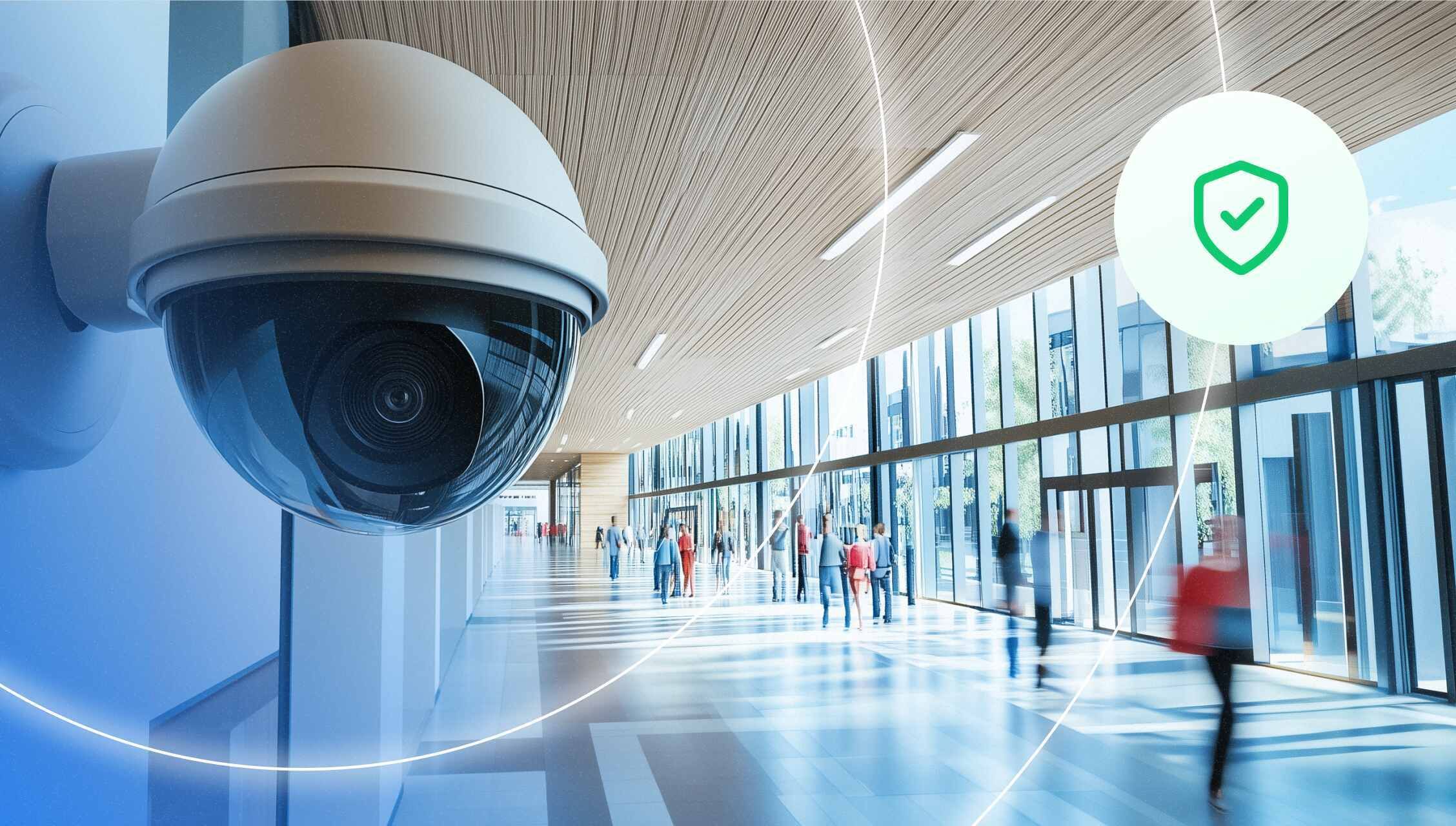
Transforming Campus Security Services with AI Technology
AI-powered video intelligence represents a paradigm shift in how campus security services operate, enabling institutions to enhance protection while optimizing resources. By integrating advanced technology with existing camera infrastructure, security teams can achieve comprehensive coverage and response capabilities.
When implemented effectively, AI transforms campus security services by providing:
- 24/7 monitoring of 100% of camera feeds simultaneously
- Real-time detection of potential threats and security concerns
- Alerts to the appropriate security personnel
- Continuous tracking of incidents as they evolve
- Data-driven insights for security resource optimization
This technological enhancement doesn't replace human security personnel but rather amplifies their effectiveness. A security officer can focus their expertise where it's needed, guided by intelligent alerts that prioritize genuine concerns.
The integration of AI with existing campus security services creates a force-multiplier effect, dramatically expanding an institution's security capabilities without proportional increases in staffing or overhead costs.
Key Components of AI-Enhanced Campus Security Services
Modern AI security camera technology offers multifaceted protection capabilities that address the diverse safety needs of educational institutions. These advanced systems transform passive camera networks into active security assets that can identify and respond to various situations.
These capabilities work together to create a comprehensive security solution that addresses the full spectrum of campus safety concerns. By integrating these components with existing security infrastructure, institutions can achieve superior protection without completely overhauling their current systems.
Campus security services can combine these technological capabilities with trained security personnel who can respond appropriately to different situations. This human-technology partnership creates a security ecosystem greater than the sum of its parts.
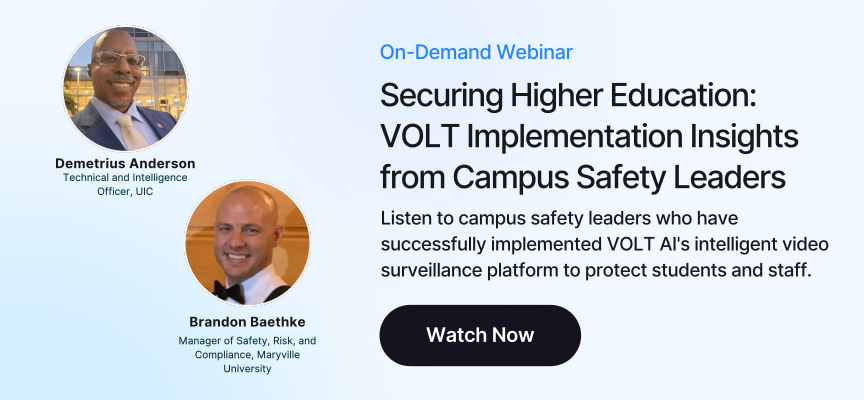
Learn how real campus safety leaders have implemented AI Security.
Implementation Strategies for Enhanced Campus Security Services
Successfully integrating AI technology into existing campus security services requires thoughtful planning and implementation. Institutions should approach this transformation strategically to maximize benefits while minimizing disruption to current operations.
A structured implementation approach for AI-enhanced campus security services includes:
- Conduct a comprehensive security assessment to identify current vulnerabilities and gaps
- Evaluate existing camera infrastructure for compatibility with AI integration
- Develop clear security protocols for different types of AI-detected incidents
- Create custom alert configurations based on the specific needs of different campus areas
- Train security personnel on effective response to AI-generated alerts
- Establish privacy guidelines and communication strategies for the campus community
- Define key performance metrics to measure security improvement
Implementation should be viewed as a partnership between technology providers and campus security services. Successful deployments can involve close collaboration to ensure the system is configured to address institution-specific concerns and integrate seamlessly with existing protocols.
Security leaders should prioritize solutions that work with their current camera infrastructure rather than requiring expensive hardware replacements. This approach maximizes return on existing investments while minimizing implementation costs and complexity.
Case Studies: AI-Enhanced Campus Security Services in Action
Educational institutions that have integrated AI technology with their campus security services have experienced significant improvements in safety outcomes and operational efficiency. These real-world examples demonstrate the transformative potential of this approach.
University of Illinois Chicago: Transforming Urban Campus Security
The University of Illinois Chicago (UIC) implemented AI-powered video surveillance across 142 critical camera streams to enhance their campus security services. This large urban campus facility with approximately 30,000 students had been struggling with limited security staffing to monitor their extensive grounds.
The integration of AI with their existing camera infrastructure enabled:
- Comprehensive monitoring of previously unwatched camera feeds
- Detection of potential security threats
- Significant reduction in response times for medical emergencies
- Prevention of theft in high-risk areas through behavior analysis
- Reduced reliance on costly third-party security services
According to UIC's Technical and Intelligence Officer, the system has become a "major contributor to cost savings" by reducing dependence on third-party security companies while also decreasing theft and damage costs across campus.
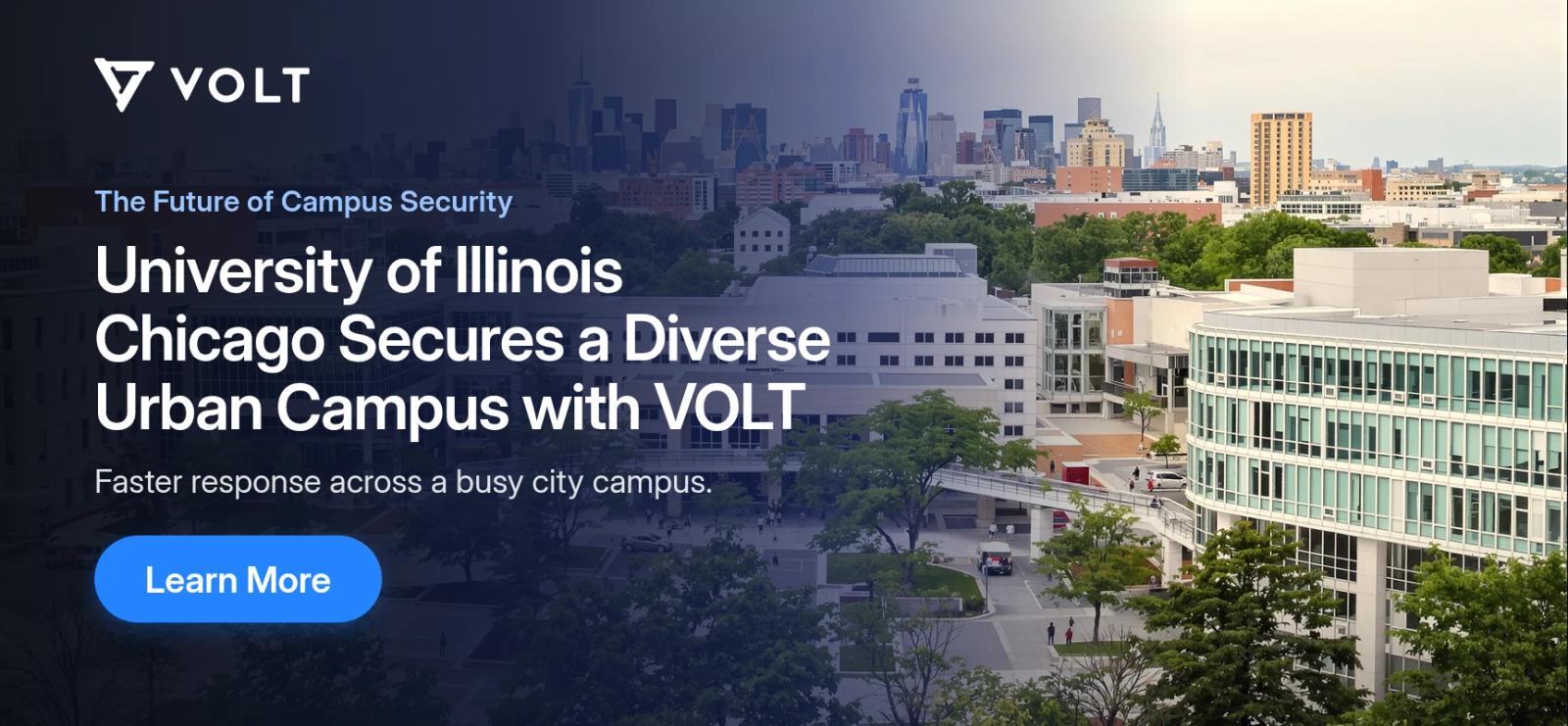
Learn how UIC enhanced their campus security with AI
University of Tennessee at Chattanooga: From Reaction to Prevention
The University of Tennessee at Chattanooga (UTC) transformed their approach to campus security services by implementing AI-powered video intelligence across their urban campus of more than 12,000 students.
Brett Fuchs, UTC's Director of Emergency Management, recognized that traditional surveillance and reactive monitoring systems were insufficient for managing their diverse campus environment.
After integrating AI technology with their campus security services, UTC experienced:
- Proactive monitoring of high-risk areas including ADA-accessible entrances, parking garages, and remote facilities
- Early detection of potential safety concerns before they escalated into emergencies
- Enhanced protection for lone workers in critical infrastructure like the campus power plant
- Improved documentation of incidents for insurance claims and investigations
- Better support for cross-functional departments including environmental health, disability services, and student wellbeing
"Emergency management is about prevention, foresight, and protecting people before the moment of crisis. VOLT gives us that edge, on every part of campus," noted Fuchs, highlighting the fundamental shift from reactive to preventive security.
What makes UTC's implementation particularly noteworthy is their multi-departmental approach to campus security services. Rather than viewing security as a single department's function, they've recognized its role in supporting institutional resilience across functions from student affairs to environmental safety.
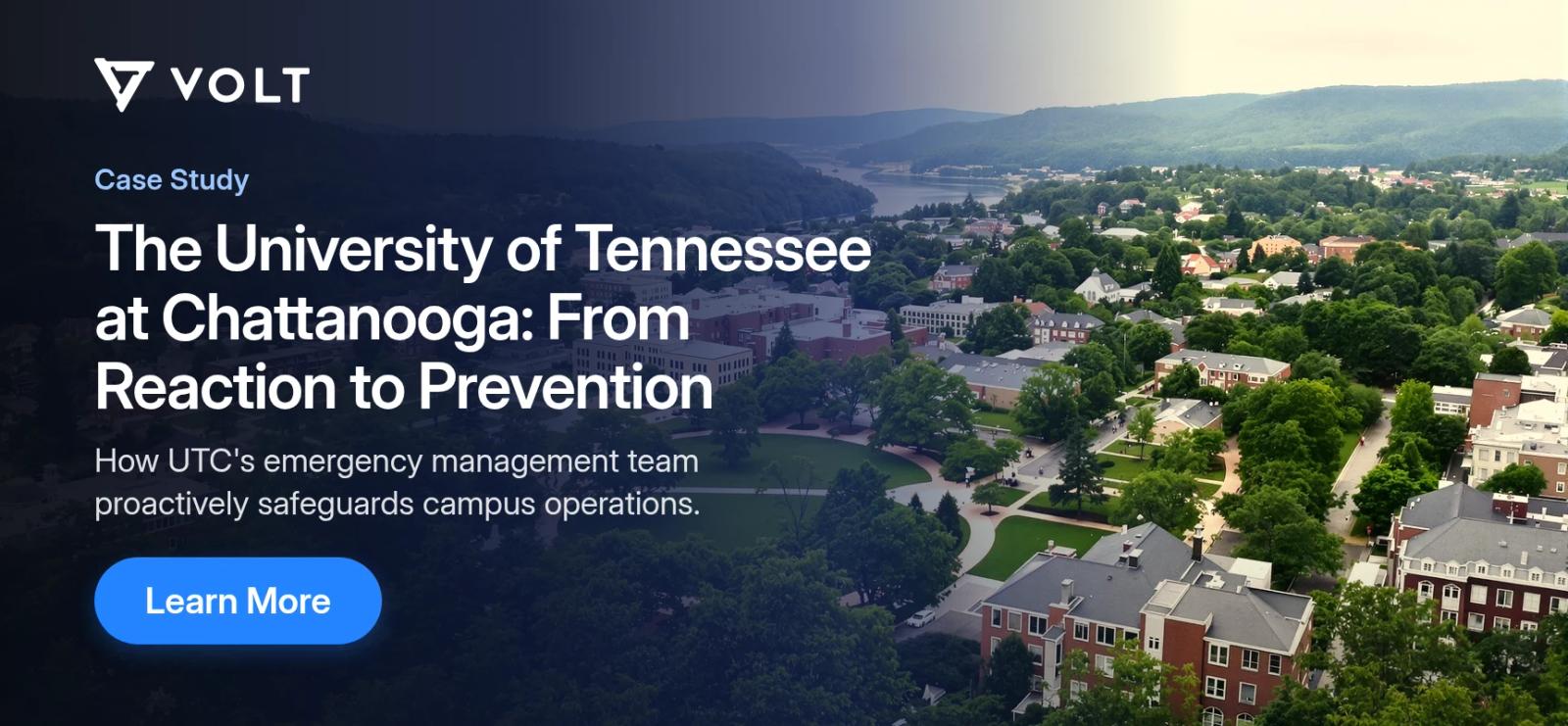
Learn How UTC’s Emergency Management Team Uses VOLT
These case studies illustrate how AI technology can enhance campus security services across different educational contexts, from large universities to specialized campus environments. The consistent improvements in detection, response time, and resource optimization demonstrate the value of this integrated approach.
Balancing Technology and Human Expertise in Campus Security Services
Campus security services can find a balance between advanced technology and human expertise. Neither component alone can provide comprehensive protection—the synergy between them creates a security system greater than the sum of its parts.
When properly integrated, technology and human elements of campus security services complement each other's strengths:
- AI systems provide continuous monitoring
- Security personnel contribute critical judgment, interpersonal skills, and response capabilities that technology cannot replicate
- AI alerts direct security officers to where they're needed, optimizing human resources
- Human feedback helps refine AI detection algorithms
- Technology handles routine monitoring, freeing security staff to focus on relationship-building and community engagement
This balanced approach recognizes that technology should enhance rather than replace the human element of campus security services. The goal is to create a collaborative system where each component performs the functions it does best.
Educational institutions should evaluate their current security staffing and technology deployment to identify opportunities for better integration. Existing security personnel can be deployed more strategically when supported by intelligent monitoring systems, creating more effective campus security services within current budget constraints.

Cost Considerations for AI-Enhanced Campus Security Services
Implementing AI technology within campus security services requires financial investment. Institutions should evaluate both upfront expenses and long-term financial impacts when considering these enhancements.
Key financial considerations for AI-enhanced campus security services include:
- Works with existing camera infrastructure
- Reduced reliance on expanded security staffing for comprehensive coverage
- Decreased costs associated with incident investigation and response
- Potential reduction in property damage and theft through proactive prevention
- Lower insurance premiums due to enhanced security measures
- Scalability that accommodates campus growth without proportional cost increases
Educational institutions should conduct a thorough cost-benefit analysis that accounts for both direct expenditures and potential savings.
As demonstrated by institutions like UIC, AI-enhanced campus security services can actually reduce overall security costs while improving protection. This combination of better security outcomes and financial efficiency makes a compelling case for technological enhancement of campus security services.
Visit our full resource center
Privacy and Ethical Considerations
Implementing advanced monitoring technology within campus security services raises important questions about privacy and ethics. Educational institutions must balance enhanced security with respect for individual rights and community expectations.
Responsible deployment of AI within campus security services should address these key considerations:
- Transparency about the presence and capabilities of security technology
- Clear communication about how monitoring data is used and protected
- Emphasis on behavior detection rather than individual identification
- Structured protocols governing who can access security footage and when
- Alignment with institutional values and privacy commitments
- Compliance with relevant regulations and privacy laws
- Community involvement in developing monitoring guidelines
Modern AI security solutions are designed with privacy protection capabilities that limit personal identification while maintaining security effectiveness. These systems can monitor for concerning behaviors without relying on facial recognition or other personally identifying features.
Educational institutions should develop comprehensive privacy frameworks that govern their campus security services. These guidelines should be regularly reviewed and updated to reflect evolving technology capabilities and community expectations. With thoughtful implementation, enhanced security and privacy protection can coexist within campus security services.
Transforming Campus Protection Through Integrated Security Services
The future of campus security services lies in thoughtfully integrated systems that combine the strengths of human expertise with the capabilities of advanced technology. This balanced approach creates comprehensive protection that addresses the diverse and evolving security needs of educational institutions.
For chancellors and public safety directors seeking to enhance their campus security services, the path forward involves leveraging existing infrastructure with AI-powered intelligence to create more effective, efficient protection. This strategy doesn't require abandoning current investments or approaches, but rather augmenting them with technology that multiplies their effectiveness.
Campus security services can embrace this integrated vision, combining dedicated security personnel with intelligent monitoring systems to create truly comprehensive protection. By implementing this approach, educational institutions can fulfill their fundamental responsibility to provide safe environments where learning, growth, and community can flourish.
To learn more about enhancing your campus security services with AI-powered video intelligence, contact VOLT for a demonstration of how our technology can transform your institution's approach to safety and security.