

Montgomery County Schools Launch AI Weapons Detection Pilot Program
February 18, 2026
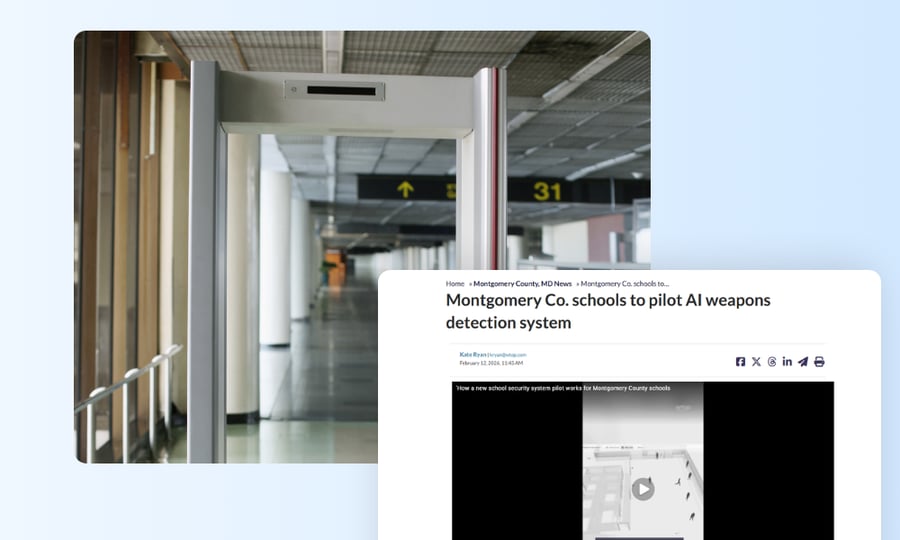
- Montgomery County Public Schools has launched a pilot program testing AI-powered weapons detection systems across select campuses
- The initiative represents one of the largest school district deployments of artificial intelligence security technology in Maryland
- District officials are evaluating the system's effectiveness in identifying potential threats while maintaining normal school operations
- Results from this pilot could influence security technology adoption across other major school systems nationwide
Montgomery County Public Schools Pilot Program Details
Montgomery County Public Schools, Maryland's largest school district serving over 160,000 students, has begun implementing AI-powered weapons detection technology as part of a comprehensive security enhancement initiative.
According to WTOP's coverage of the pilot program, the district began testing the AI detection systems in February 2026. The technology is designed to identify weapons and other potential security threats through advanced computer vision algorithms.
The pilot program focuses on evaluating how AI-powered detection systems integrate with existing security protocols. Montgomery County's implementation comes as school districts nationwide seek more sophisticated approaches to campus safety that balance security needs with the maintenance of welcoming educational environments.
District officials are monitoring the system's accuracy rates, false-positive rates, and impact on daily school operations during the testing phase.
Why AI Detection Technology Matters for Educational Security
Montgomery County's pilot reflects broader trends in the adoption of educational security technology. Traditional metal detectors often create bottlenecks and institutional atmospheres that many educators want to avoid.
AI-powered weapons detection offers several advantages over conventional approaches. These systems can process visual data in real time, potentially identifying threats without requiring students to stop or queue up for screening devices.
The technology's machine learning capabilities enable it to distinguish between actual weapons and everyday items that might trigger false alarms in traditional metal detectors. This precision becomes crucial in high-traffic educational environments where efficient student flow remains important.
However, successful implementation requires careful calibration and ongoing monitoring to ensure accuracy while minimizing disruption to educational activities.
Lessons from Montgomery County's Approach
Security leaders can extract valuable insights from Montgomery County's methodical pilot program approach:
Phased Implementation: Starting with select schools allows for controlled testing and refinement before district-wide deployment.
Performance Metrics: Establishing clear success criteria helps evaluate whether AI detection systems meet security objectives without compromising educational environments.
Stakeholder Communication: Transparent communication with parents, staff, and students builds understanding and support for new security measures.
Integration Planning: Ensuring AI systems work seamlessly with existing security protocols and emergency response procedures maximizes effectiveness.
The pilot's results will likely influence security technology decisions across other major school districts, as they closely watch Montgomery County's experience.
VOLT's AI-powered security solutions help institutions implement intelligent threat detection systems that enhance safety while preserving positive environments.
Concerned about weapon detection capabilities? Learn how AI-powered systems identify threats in real-time at our Gun and Weapon Detection Resource Center.
Editorial Disclosure: This article was produced with AI assistance and reviewed by VOLT AI editorial team. News sources are linked for verification. VOLT AI provides AI-powered security solutions for educational institutions, healthcare facilities, and residential communities. For more information, visit volt.ai.