Insights
7 Use Cases for AI Cameras in Facility Safety
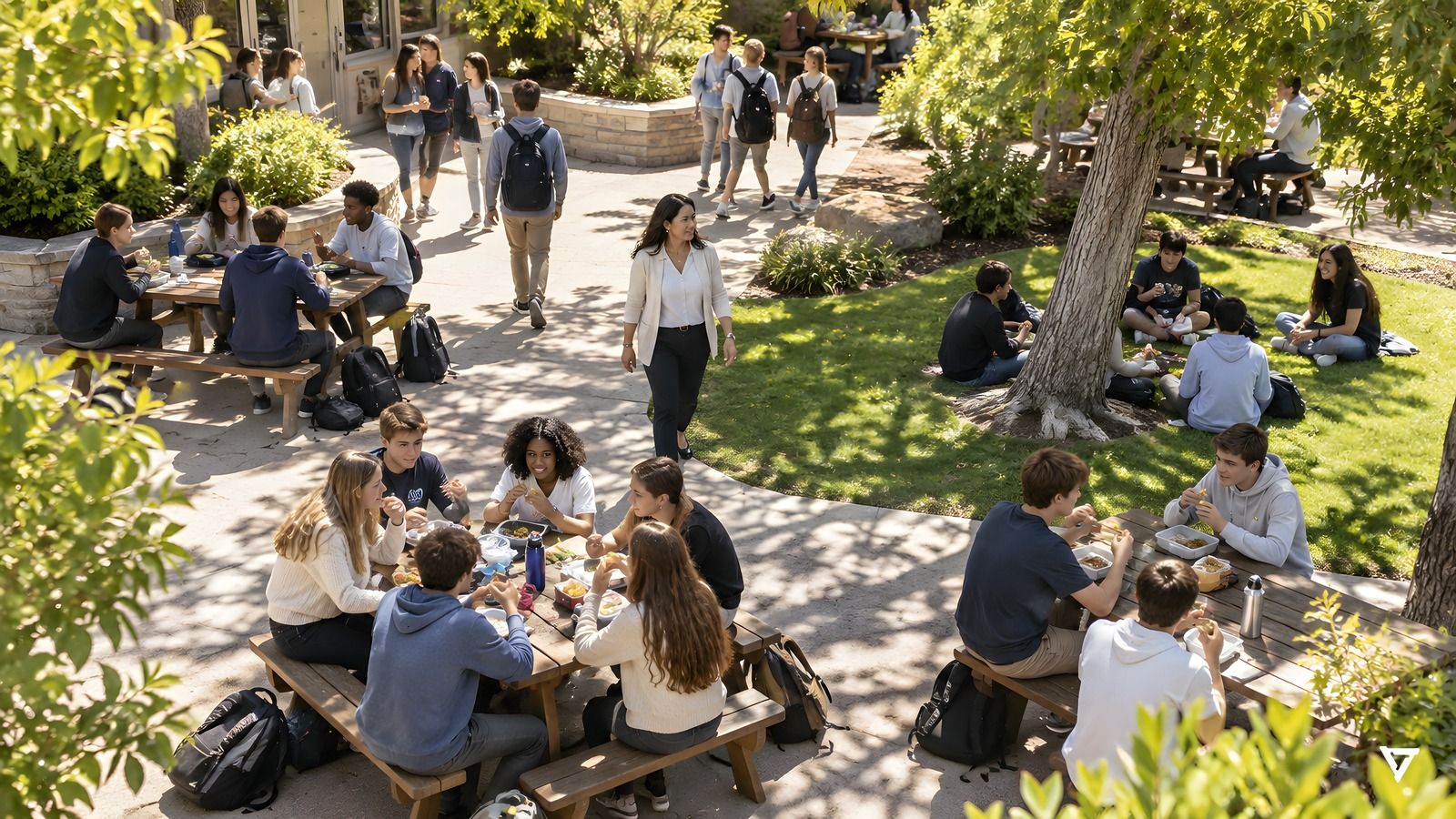
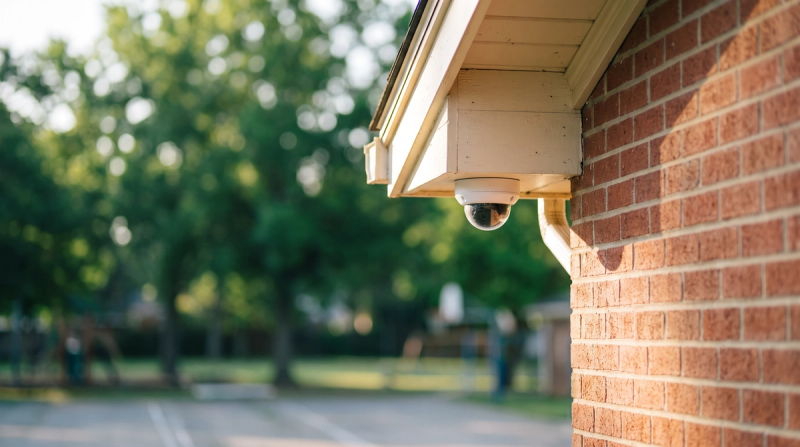
In today's complex security landscape, AI cameras are changing how organizations protect their people and assets. While many facilities initially consider artificial intelligence-powered surveillance for basic security monitoring, the technology's capabilities extend far beyond simple observation.
Let's explore seven transformative ways AI cameras are enhancing safety and security across educational institutions, healthcare facilities, and residential properties.
Read Now: The Future of Security: AI Security Cameras
1. Real-Time Weapon Detection and Threat Response
Rather than relying solely on entrance screening or human monitoring, modern AI-powered systems provide continuous, facility-wide threat detection.
- Real-time tracking of potential threats across multiple AI security camera feeds
- Automated alerts to security personnel and law enforcement
- VOLT is built to run on the cameras you already have.
- Continuous monitoring of all entry points and common areas
2. Medical Emergency Detection and Response
AI cameras have demonstrated remarkable capability in identifying medical emergencies across large facilities, enabling faster response times and potentially saving lives. The technology's ability to detect unusual behavior patterns helps identify health crises before they become critical.
- Recognition of falls and unconscious individuals
- Detection of unusual movement patterns indicating distress
- Tracking of incident location and movement
- Integration with emergency medical services
The impact of AI cameras in medical emergency detection has been particularly evident in healthcare facilities and educational institutions, where quick response times are crucial for patient and student safety.
3. Fight and Bullying Prevention
Modern AI cameras serve as powerful tools in preventing and addressing physical altercations and bullying incidents. By identifying potential conflicts early, security teams can intervene before situations escalate.
- Early detection of aggressive behavior and confrontations
- Monitoring of high-risk areas and blind spots
- Documentation of incidents for follow-up and prevention
These capabilities have transformed how schools and residential properties address conflict, moving from reactive response to proactive prevention.
4. Unauthorized Access Detection
This combination provides comprehensive monitoring of entry points and restricted areas.
- Real-time detection of unauthorized entry attempts
- Monitoring of emergency exits and restricted zones
- Automated alerts for security protocol violations
This access monitoring helps wherever controlling access matters for the safety of the people inside.
- Real-time occupancy monitoring and tracking
- Recognition of aggressive group behavior
- Monitoring of emergency exit accessibility
- Analysis of traffic flow patterns
This capability has become increasingly important in educational settings and healthcare facilities where managing large groups safely is essential.
- Recognition of unusual activity patterns
- Monitoring of high-value areas after hours
- Integration with alarm systems
7. Environmental and Safety Compliance
AI cameras play a crucial role in maintaining facility safety standards and ensuring environmental compliance. The ai technology helps identify potential hazards before they cause harm.
- Detection of blocked emergency exits
- Monitoring of restricted area access
- Recognition of safety protocol violations
- Environmental hazard identification
- Compliance documentation support
This comprehensive monitoring capability helps facilities maintain safety standards while reducing liability risks.
AI Camera Applications Across Industries: A Sector-Specific Guide
Understanding how AI-powered video surveillance applies to your specific industry can help you maximize its potential for your facility. Let's explore how different sectors leverage AI cameras to address their unique security challenges and safety requirements.
Educational Institutions
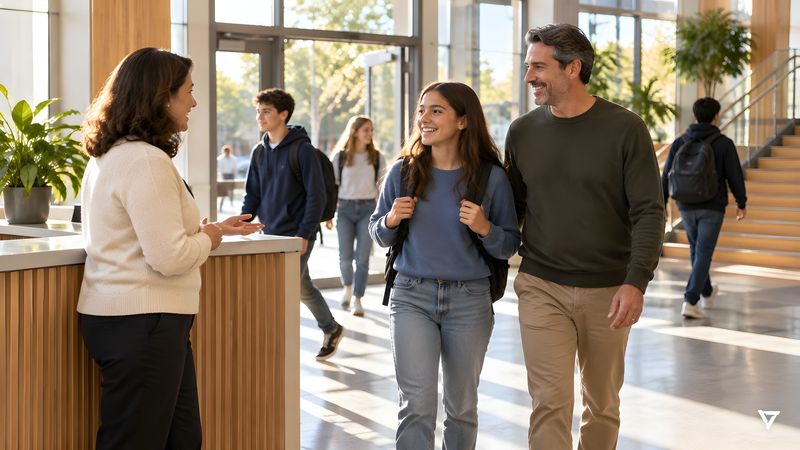
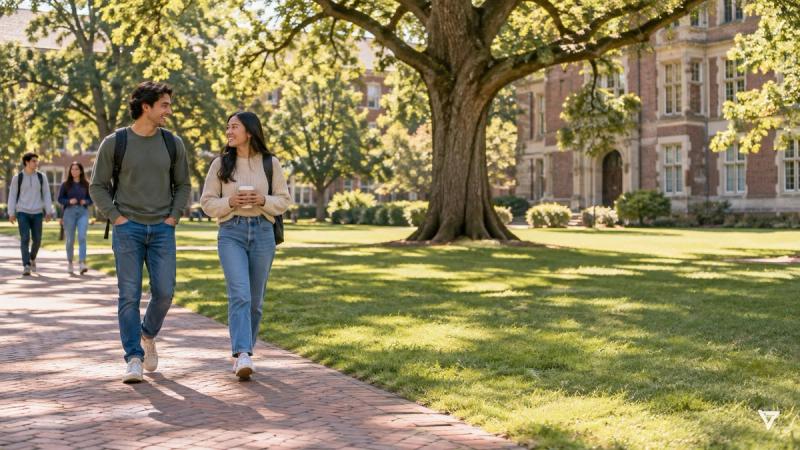
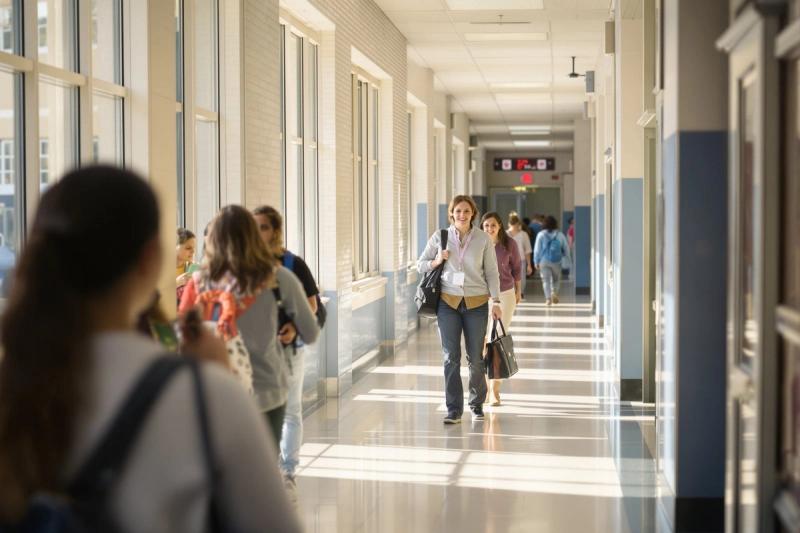
Schools and universities face distinct safety challenges that require comprehensive security solutions. AI cameras provide multiple layers of protection for learning environments.
Key Applications:
- Weapon detection at entry points and throughout campus
- Fight detection and bullying prevention in hallways and common areas
- Medical emergency identification, particularly in remote areas
- Unauthorized visitor detection during school hours
- After-hours security monitoring
The impact of AI cameras in education extends beyond basic security. At Prescott High School, for instance, the technology has reduced incident response times from minutes to seconds, enabling staff to prevent situations from escalating.
Read the Case Study: How a Public High School Transformed School Security
Healthcare Facilities
Healthcare environments require sophisticated security solutions that balance patient safety with privacy concerns. AI cameras provide essential monitoring while respecting sensitive medical environments.
Key Applications:
- Patient fall detection and medical emergency alerts
- Restricted area access monitoring
- Visitor management and tracking
- Parking area security monitoring
- Staff safety during night shifts
Healthcare facilities using AI cameras have seen significant improvements in patient safety and security response times, while maintaining strict privacy standards.
Multi-Family Residential Properties
Residential communities need security solutions that protect residents while maintaining a welcoming atmosphere. AI cameras help create safer living environments without creating an oppressive security presence.
Key Applications:
- Someone where they shouldn't be at entry points and amenity areas
- Parking garage monitoring
- Common area security
- Pool and recreation area safety
- Perimeter security
Property managers have found that AI cameras help reduce security incidents while improving resident satisfaction with safety measures.
Corporate Campuses
Large corporate environments present unique security challenges due to their scale and complexity. AI cameras provide comprehensive coverage while optimizing security resources.
Key Applications:
- Employee and visitor access monitoring
- Parking area surveillance
- Protection of sensitive areas
- After-hours security
- Emergency response coordination
Organizations like Ripple have leveraged AI cameras to enhance security while maintaining an open, collaborative workplace environment.
Visit the full AI security camera resource center
Government Facilities
Government buildings require heightened security measures while maintaining public accessibility. AI cameras provide advanced threat detection without impeding legitimate access.
Key Applications:
- Weapon detection at entry points
- Restricted area protection
- After-hours security
- Emergency response coordination
Government facilities utilizing AI cameras have improved their security posture while maintaining efficient public access.
Integration Considerations by Industry
When implementing AI cameras, each sector must consider unique factors that affect deployment and operation.
Educational Settings:
- Privacy protection for minors
- Integration with emergency response systems
- Coordination with school resource officers
- Parent and community communication
Healthcare Environments:
- Patient privacy protection
- Integration with existing security systems
- Emergency department specific protocols
Residential Properties:
- Resident privacy considerations
- Community communication plans
- Local law enforcement coordination
Maximizing Value Across Sectors
Regardless of industry, successful AI camera implementation requires:
- Clear security objectives and protocols
- Proper staff training and engagement
- Regular system assessment and updates
- Strong privacy protection measures
- Integration with existing security infrastructure
Each sector can maximize the value of AI cameras by focusing on their specific security needs while leveraging the technology's broad capabilities.
The Future of Facility Security
As AI camera technology continues to evolve, its applications in facility security keep growing. Organizations implementing these systems find they not only enhance security but also improve operational efficiency and resource allocation.
The key to maximizing the benefits of AI cameras lies in selecting a comprehensive solution that addresses multiple security challenges simultaneously. By choosing a system that combines advanced threat detection with broader safety and security capabilities, facilities can create safer environments while optimizing their security investments.
Want to learn more about how AI cameras can transform your facility's security? Contact VOLT today to discover how our comprehensive video intelligence solution can enhance your security operations and protect your community.
Where VOLT fits
Most of what a school or campus needs help with is everyday: a student who falls, a fight that starts in a hallway, a visitor in the wrong place. Weapons are rare, serious moments inside that picture.
VOLT is built to notice moments: a fall, a fight, someone where they shouldn't be.
VOLT tracks a person by visual appearance across the camera footprint and shows that track on a 3D floor plan, so first responders reach where the situation is unfolding now, not where it started.
VOLT detects handguns, long guns, and knives that are visible to the camera.
It doesn't see through clothing or into bags.
VOLT is built to run on the cameras you already have. Some older analog cameras may need an upgrade.
VOLT is built to run on the cameras you already have.
By default, a VOLT reviewer checks it before your team is notified.
VOLT notices moments as they happen, and by default a VOLT reviewer checks each one before your team is notified.
Related reading