Insights

A camera is already there.
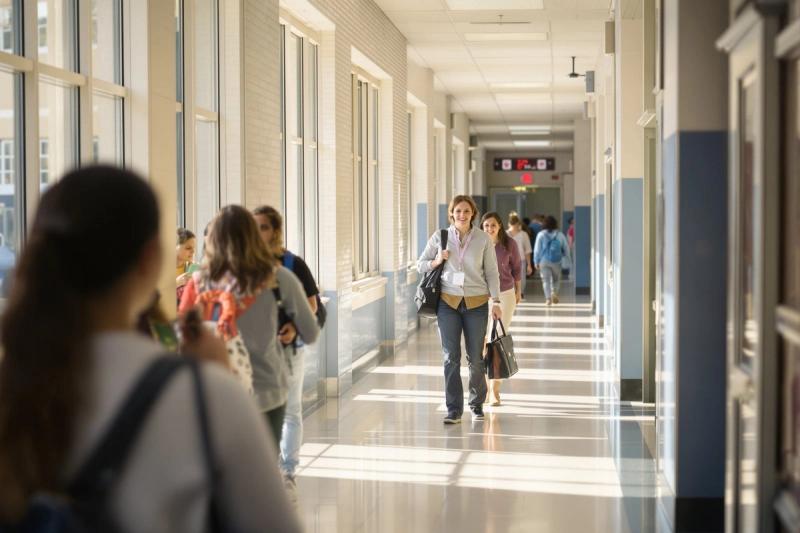
It sits above the lockers in the main hall, the same one that has watched passing period for years. A principal on a tour will point at it before they point at anything new. The day they are trying to cover is ordinary and full.
VOLT is built to notice moments: a fall, a fight, someone where they shouldn’t be.
VOLT tracks a person by visual appearance across the camera footprint and shows that track on a 3D floor plan, so first responders reach where the situation is unfolding now, not where it started.
Weapon detection runs on the same cameras and is part of the same picture: VOLT detects handguns, long guns, and knives that are visible to the camera. That capability is often why a district or campus starts the conversation. The work continues across the rest of the school day.
What the rest of the day is worth
A student misses a step on the east stairwell and is down on the landing. Between classes, a fight starts near the junior lockers. After the main doors are meant to be locked, someone is at a side entrance by the loading dock. A car lingers in the far row of the lot long after pickup.
Those moments are the everyday value. They are why coverage has to work on a Tuesday that never makes the news, not only on the rare day that does.
What your team receives
Picture dismissal. The buses are loading. A safety lead is at the curb with a radio on their belt. Inside, a flag comes up from the main hall.
Your team gets context: which part of the building, and what the moment looks like. They decide the next step. The school stays in charge of what happens after that.
AI flags it. By default, a VOLT reviewer checks it before your team is notified.
The check is there so a lean team is not pulled off the curb for a moment that does not need them. When it does need them, they already have the scene.
The cameras already on the walls
Stand in the cafeteria during the second lunch and look up. A camera sits over the serving line. Another covers the hall that runs to the gym. Another is above the library doors, and one more watches the bus loop.
VOLT is built to run on the cameras you already have. Some older analog cameras may need an upgrade.
That is the practical half of the claim. The system is for the cameras an organization already mounted. The new work is what happens after a flag, before your people are asked to act.
An ordinary Tuesday
Tuesday is a lunch line, a bus loop, a teacher on duty at the curb, and a hallway that goes quiet after the bell. The day itself is a fall, a fight, someone in a place that should have been empty — and, when it matters, a weapon noticed on the same cameras.
On a day like that, the safety lead may be with a parent about a pickup change. The radio is on the counter. By default, a VOLT reviewer checks it before your team is notified. Staff hear about it with context they can use. The next step stays with the people who know the campus.
A force multiplier for lean teams.
What parents can repeat
At pickup, a parent rolls the window down and asks a plain question. They want a sentence they can say at the dinner table. Caring eyes on the moments that matter. Plain language. The institution stays in control of what happens next.
A few questions worth asking
Take these into the conference room. Put them in front of the people who will live with the answers: the safety lead, the principal, the person who answers the radio at dismissal.
- What does the system notice on an ordinary day: a fall, a fight, someone where they shouldn’t be?
- Once something is flagged, can you see where the person is now on a shared floor plan?
- Can a weapon be noticed on the cameras we already have?
- Who looks at a flag before my staff see it?
- What does my team actually receive: a location, and what the moment looks like?
- Can a parent repeat the idea in one sentence?
Ask for the Tuesday in plain detail. If the answers feel like marketing, keep looking.
How VOLT shows up
VOLT helps schools and campuses build caring, proactive safety coverage.
VOLT is built for education: school districts and college and university campuses.
On a school day, coverage starts with the moments that matter on the cameras already in place. By default, a VOLT reviewer checks it before your team is notified. Calm. Direct. Human.
What good feels like
Your team has more room to breathe.
Think of the safety lead at the curb while the buses load. When a moment matters, an alert arrives with enough context to act. Staff stay with students. Technology supports care and human judgment.
There is room for one more truth: technology should make a lean team feel less alone.
When coverage is caring, someone is looking out. Judgment is still in human hands.
That is looking out for people.
Let school be about school again, because someone, quietly, has your back.
Helping schools and campuses look out for the moments that matter.
FAQ
What does VOLT do first?
VOLT is built to notice moments: a fall, a fight, someone where they shouldn’t be. VOLT tracks a person by visual appearance across the camera footprint and shows that track on a 3D floor plan, so first responders reach where the situation is unfolding now, not where it started. Weapon detection runs on the same cameras and is part of the same picture: VOLT detects handguns, long guns, and knives that are visible to the camera.
What else does VOLT notice?
VOLT is built to notice moments: a fall, a fight, someone where they shouldn’t be.
Who checks an alert before our team sees it?
AI flags it. By default, a VOLT reviewer checks it before your team is notified.
Do we need new cameras?
VOLT is built to run on the cameras you already have. Some older analog cameras may need an upgrade.
Ready when you are
Start with the cameras already on the walls. Walk one hallway, the curb, and the office where the radio sits. Talk through an ordinary Tuesday, and the moments you want noticed on the coverage you already have.