Insights


Your cameras have been watching for years.
Now they can act.
VOLT's real-time video intelligence connects directly to the CENTEGIX Safety Platform®, turning the moment something happens into the moment someone responds.
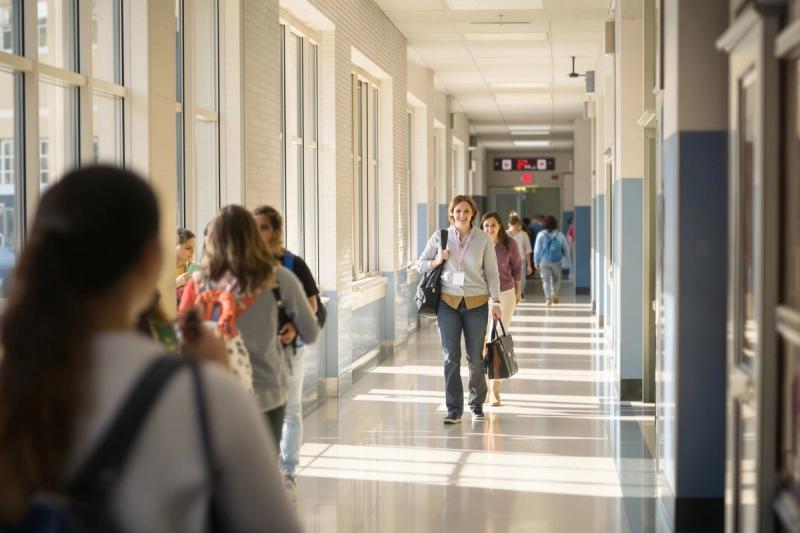
Picture the third-floor hallway of a high school at 2:47 on a Tuesday afternoon. Classes are in session. The hallway is empty, except for one student, alone, in medical distress.
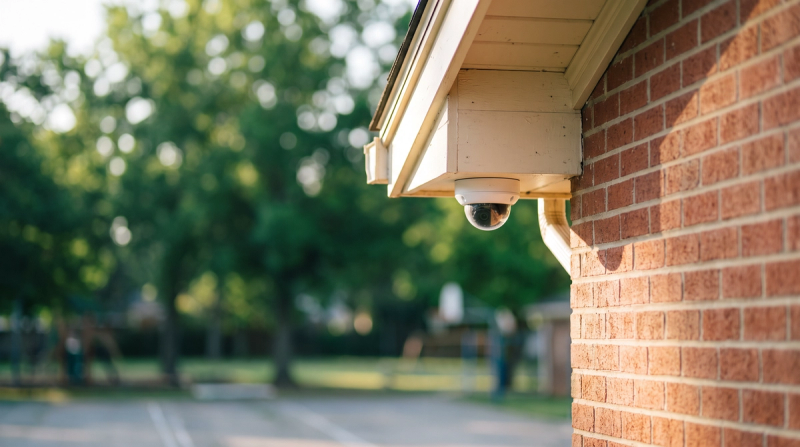
There's a camera on that hallway. There has been for years. It's recording everything. And until now, that's all it could do: record, so that someone could scroll back later and see what they missed.
That gap between seeing and responding is exactly what VOLT and CENTEGIX just closed.
Today, we're announcing a partnership that connects VOLT's real-time, human-verified video intelligence directly to the CENTEGIX Safety Platform®, the system more than 18,000 locations already rely on to coordinate emergency response. The integration is live now, and it arrives at exactly the right moment: just weeks before students return to classrooms for a new school year.
The problem with cameras that only look backward
Schools have invested heavily in cameras. Walk any campus and you'll see them in hallways, at entrances, over parking lots. But here's the uncomfortable truth most safety directors already know: the vast majority of that footage is only ever used after an incident, as evidence of what already went wrong.
A fight breaks out with no staff nearby. Someone slips through a door that should have been locked. A situation in the cafeteria starts to escalate. The cameras catch all of it, but a camera that no one is watching can't call for help.
“Most camera footage is only used after an incident, to review what happened,” said Brent Cobb, CEO of CENTEGIX. “With CENTEGIX and VOLT, that changes. The moment a threat is identified, an alert pushes straight into CENTEGIX and drives a faster response. We're putting the security investments schools already made to work as proactive tools, and moving closer to a world where everyone gets home safe.”
How it works: detection and response, one continuous loop
VOLT's platform continuously monitors a school's existing camera feeds for the full range of risks that put people in danger: weapons, physical altercations, medical emergencies, unauthorized access, and behavioral escalation.
Here's the part that matters most: every single alert is verified by a human before it ever reaches a school's security team. No 3 a.m. false alarms because a shadow moved. No alert fatigue that trains staff to ignore the system. When an alert arrives, it's real.
The moment a threat is verified, the alert (along with visual context showing exactly what's happening and where) flows directly into the CENTEGIX Safety Platform®. From there, Safety Blueprint® notifies the right staff and, when needed, connects the school to 911 dispatch in seconds.
No manual handoff. No one has to notice something first, decide who to call, and explain what they saw. Detection and response now operate as a single loop.
Humans and AI, covering each other's blind spots
This partnership isn't about replacing people with software. It's about letting each do what it does best.
CENTEGIX's CrisisAlert™ wearable panic buttons put the power to summon help in the hands of every staff member covering the places cameras typically don't reach, like classrooms. VOLT's AI covers the opposite gap: the hallways, stairwells, entrances, and parking lots where no staff member happens to be standing when something goes wrong.
Together, they eliminate visual blind spots across a campus. A teacher can trigger help from inside a classroom; the cameras can trigger help from an empty corridor. Either way, the response moves through the same trusted platform.
“VOLT exists because the earlier you detect an incident, the more options you have to stop it from escalating. That's the mission,” said Dmitry Sokolowski, CEO of VOLT. “Pairing our real-time detection with a platform like CENTEGIX, one that schools and security teams already trust to coordinate a response, means that critical seconds aren't lost translating an alert into action. The moment a threat is identified, the right people are already moving.”
Built for where school safety is heading
Across the country, states are rethinking what school safety infrastructure should look like. One clear signal of that shift is the momentum behind Alyssa's Law, which requires schools in adopting states to install silent panic alarms connected directly to law enforcement.
The integrated VOLT and CENTEGIX platform was built for this new era of comprehensive, proactive safety planning, whatever a school's home state requires.
No new cameras. No new hardware. No compromise on privacy.
Two things school leaders will want to know right away:
- It works with what you have. The integration requires no new cameras and no replacement of existing infrastructure. Schools put the security investments they've already made to immediate use.
- It protects identity while finding threats. VOLT is a privacy-first company. The platform does not use facial recognition, does not store biometric tracking data, and districts retain full control over how camera footage is used, shared, and stored.
The combined platform is available now, on an opt-in basis, for K-12 schools, higher education institutions, government facilities, and commercial enterprises nationwide.
The bottom line
Every school already owns the eyes. This partnership gives them a voice: one that speaks up in real time, verified by a human, routed instantly to the people who can act.
Because the difference between reviewing an incident and preventing one is measured in seconds. And now, those seconds are on your side.
Ready to see it in action?
Request a demo and watch your existing cameras become a real-time safety system, before the first bell rings this fall.
Frequently Asked Questions
Do schools need to buy new cameras to use the VOLT + CENTEGIX integration?
No. VOLT works with the camera infrastructure a school already has. The integration requires no new cameras and no replacement of existing systems, so districts can put security investments they've already made to immediate use.
How does the VOLT and CENTEGIX integration actually work?
VOLT continuously monitors a school's existing camera feeds for risks like weapons, fights, medical emergencies, unauthorized access, and behavioral escalation. By default, a VOLT reviewer checks it before your team is notified. Once verified, the alert and visual context flow directly into the CENTEGIX Safety Platform, where Safety Blueprint notifies staff and can connect schools to 911 dispatch in seconds.
Does VOLT use facial recognition?
No. VOLT is a privacy-first platform that does not use facial recognition or store biometric tracking data. Districts control how camera footage is used, shared, and stored.
What kinds of incidents can the integrated platform detect?
The platform covers the full spectrum of campus safety incidents — from rare, headline-making threats like weapons to the everyday emergencies that happen far more often: a student in medical distress in an empty hallway, a fight breaking out with no staff nearby, or someone entering an area they shouldn't be in.
How does the system prevent false alarms?
Every VOLT alert is human-verified before it reaches a school's security team. This removes the false-alarm fatigue that undermines fully automated detection systems, so when an alert arrives, responders know it's real.
Does the VOLT Centegix integration support Alyssa's Law requirements?
The integrated VOLT and CENTEGIX platform is built to support the national shift toward proactive safety planning reflected in legislation like Alyssa's Law, which requires schools in adopting states to have silent panic alarms connected directly to law enforcement. Schools should review their specific state requirements, and the platform is designed to support them whatever their home state requires.
Who can use the combined platform, and when is it available?
The combined platform is available now on an opt-in basis for K-12 schools, higher education institutions, government facilities, and commercial enterprises nationwide.