Insights
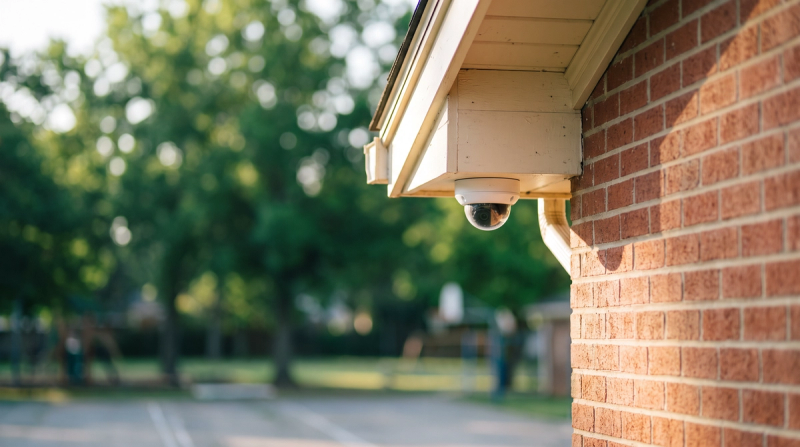
Montreal Police Deploy AI Biometric Surveillance


- Montreal's police force (SPVM) has implemented an American-developed AI video surveillance system specifically designed for biometric identification
- The platform represents a significant shift toward automated identification capabilities in urban law enforcement
- Privacy advocates and security professionals are monitoring the deployment's impact on public surveillance protocols
- The technology adoption highlights growing reliance on AI-powered biometric systems across North American police departments
Inside Montreal's New AI Surveillance Implementation
The Service de police de la Ville de Montréal (SPVM) has deployed a sophisticated AI-powered video surveillance platform that specializes in biometric identification and analysis. According to exclusive reporting by The Concordian, the system is manufactured by an American technology company and focuses specifically on biometric capabilities.
The SPVM serves Montreal, Canada's second-largest city, with over 1.7 million residents. The police force operates across 33 neighborhood stations and handles complex urban security challenges ranging from public events to downtown commercial districts.
This deployment marks a significant technological upgrade for the SPVM's surveillance infrastructure. The American-made platform integrates advanced AI algorithms that process biometric data from video feeds in real time. The system's implementation comes as municipal police forces across North America increasingly adopt AI-powered surveillance technologies to enhance public safety operations.
The timing of this deployment reflects broader trends in urban law enforcement, where police departments are investing heavily in automated surveillance systems that can identify individuals through facial recognition and other biometric markers.
Why SPVM's Biometric AI Adoption Matters for Public Safety
Montreal's implementation of specialized biometric AI surveillance represents a significant shift in how major urban police forces approach automated identification. The platform's American origins highlight the cross-border nature of police technology procurement, particularly for advanced AI systems.
Biometric-focused surveillance platforms offer law enforcement agencies capabilities that extend far beyond traditional video monitoring. These systems can automatically flag individuals based on facial recognition databases, analyze behavioral patterns, and provide real-time alerts for persons of interest.
The SPVM's choice to deploy American-developed technology reflects the current market dominance of U.S. companies in AI surveillance solutions. However, this also raises questions about data sovereignty and cross-border information-sharing protocols when Canadian police forces use foreign-developed surveillance platforms.
Urban police departments worldwide are grappling with similar decisions about adopting AI surveillance. The technology promises enhanced identification capabilities but also introduces new operational complexities around accuracy, bias, and privacy compliance.
Lessons from Montreal's AI Surveillance Deployment
The SPVM's biometric platform implementation offers several key insights for other law enforcement agencies considering similar technology adoptions. Selecting an American-made system underscores the importance of evaluating international vendors when domestic options are limited.
Police departments evaluating AI surveillance systems should prioritize platforms that offer transparent algorithmic processes and clear accuracy metrics. Biometric identification systems require extensive testing and calibration to ensure reliable performance across diverse populations and environmental conditions.
Integration with existing police infrastructure represents another critical consideration. The SPVM's deployment likely required significant coordination between their current surveillance networks and the new AI platform to ensure seamless operations across Montreal's diverse neighborhoods and public spaces.
Training requirements for officers using AI biometric systems cannot be underestimated. Police personnel need comprehensive education on the platform's capabilities, limitations, and the proper protocols for responding to AI-generated alerts and identifications.
Exploring AI security camera options for your facility? Visit our AI Security Cameras Resource Center to compare technologies and understand implementation requirements.
Editorial Disclosure: This article was produced with AI assistance and reviewed by VOLT AI editorial team. News sources are linked for verification. VOLT AI provides AI-powered security solutions for educational institutions, healthcare facilities, and residential communities. For more information, visit volt.ai.
Related reading