Insights
Missouri Restraint Crisis and Security Funding Gaps

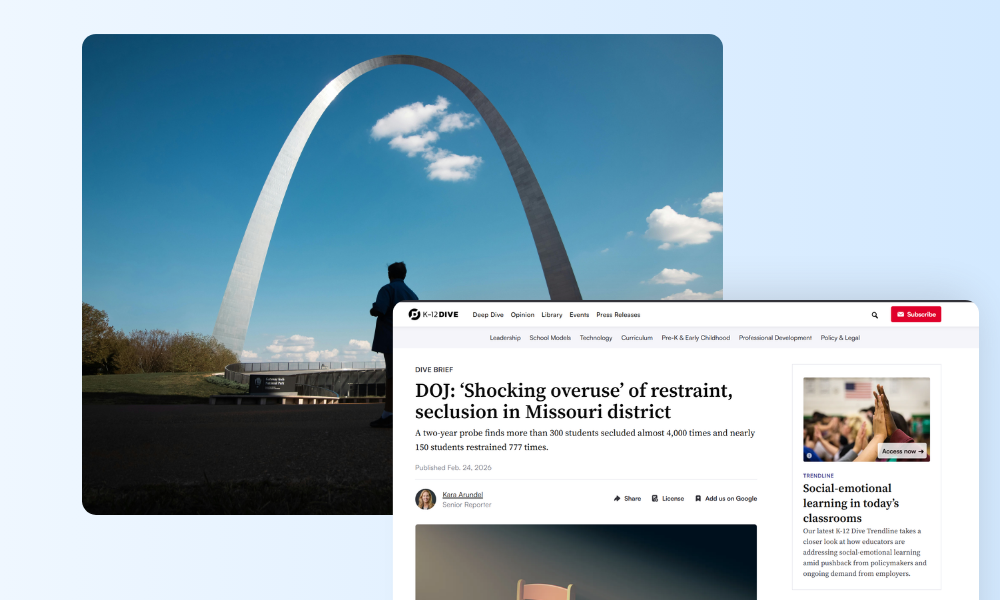
- A two-year Department of Justice investigation uncovered systematic overuse of physical restraints and seclusion in a Missouri school district
- Over 300 students were placed in seclusion nearly 4,000 times, while 150 students faced physical restraint 777 times
- The findings highlight critical gaps in behavioral intervention resources that proper security funding could address
- School districts nationwide face similar challenges managing student behavioral needs without adequate technological and staffing resources
Missouri District Investigation Details
The Department of Justice has concluded a comprehensive two-year investigation into restraint and seclusion practices within a Missouri school district. The probe revealed what officials termed "shocking overuse" of these disciplinary measures.
According to the detailed findings reported by K-12 Dive, more than 300 students experienced seclusion procedures almost 4,000 times during the investigation period. Additionally, nearly 150 students were subjected to physical restraints on 777 separate occasions.
The investigation represents part of broader federal scrutiny into school disciplinary practices. Missouri districts, like many across the nation, serve diverse student populations with varying behavioral and educational needs requiring specialized intervention approaches.
Why Missouri's Findings Matter for School Security Leaders
This investigation illuminates a critical funding challenge facing districts nationwide: the gap between behavioral intervention needs and available resources. Many schools lack comprehensive systems to address student behavioral issues before they escalate to physical interventions.
Modern behavioral intervention technologies can provide early warning systems and de-escalation support. These solutions include environmental monitoring, communication platforms, and data analytics that help staff identify and respond to concerning patterns before situations require physical intervention.
The financial implications extend beyond immediate technology costs. Districts face potential federal compliance issues, liability concerns, and long-term impacts on student outcomes when behavioral intervention systems prove inadequate.
Lessons from Missouri's Security Funding Challenges
School leaders can take specific steps to address behavioral intervention gaps through strategic security funding approaches:
Comprehensive needs assessment: Document current behavioral intervention capabilities and identify technology gaps that contribute to overreliance on physical measures.
Grant opportunity research: Federal and state programs increasingly prioritize funding for positive behavioral intervention systems and student mental health support technologies.
Multi-year budget planning: Behavioral intervention technologies require ongoing support and training investments beyond initial equipment purchases.
Stakeholder engagement: Include behavioral specialists, security professionals, and administrative staff in funding decisions to ensure comprehensive solution design.
The Missouri case demonstrates how inadequate behavioral intervention resources can lead to federal scrutiny and potential compliance issues. Districts investing in comprehensive behavioral support systems position themselves for better student outcomes and regulatory compliance.
Proper funding enables schools to implement layered behavioral intervention approaches that reduce reliance on physical restraints while maintaining safe learning environments for all students.
Ready to explore funding options for your institution's security upgrade? Check out our School Security Funding Resources to discover grants, state programs, and financing strategies.
Editorial Disclosure: This article was produced with AI assistance and reviewed by VOLT AI editorial team. News sources are linked for verification. VOLT AI provides AI-powered security solutions for educational institutions, healthcare facilities, and residential communities. For more information, visit volt.ai.