Insights


A Community Grieves, and Campuses Nationwide Reflect
The Brown University community is mourning this week after a shooting in an engineering building left two students dead and nine others wounded during final exams. Families across the country are asking difficult questions about safety at their own institutions. Campus safety leaders are reviewing their protocols and evaluating whether their current systems could detect and respond to a similar threat.
This article does not speculate about what could have prevented this specific tragedy. Instead, it provides educational context about how campuses approach security challenges and what questions are worth asking as institutions evaluate their preparedness.
The Camera Coverage Gap: A Widespread Challenge
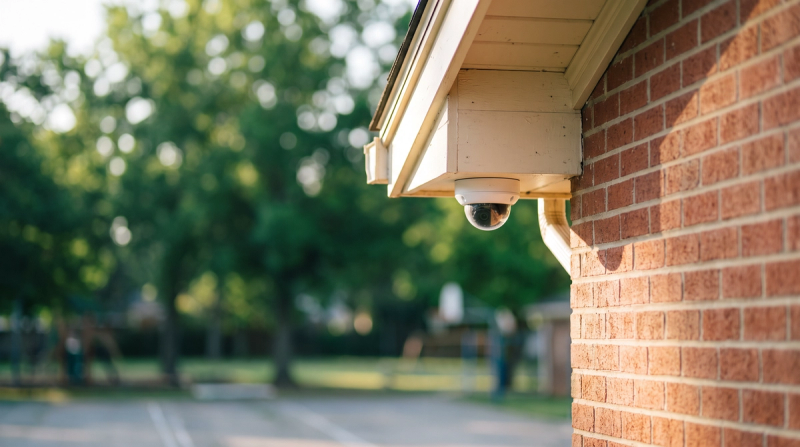
Rhode Island's Attorney General noted during press conferences that Brown's engineering building, like many older campus structures, lacked comprehensive camera coverage. This reality is common across higher education. Many universities operate buildings constructed decades ago, long before modern security infrastructure became standard.
The challenge extends beyond physical hardware. Even campuses with extensive camera networks often lack the personnel to monitor feeds in real time. Security teams cannot watch hundreds of camera streams simultaneously, which means cameras frequently serve as investigative tools after incidents rather than prevention mechanisms.
This gap between camera presence and active monitoring represents one of the most significant vulnerabilities in campus security today. Understanding this distinction helps administrators identify where improvements can make the greatest impact.
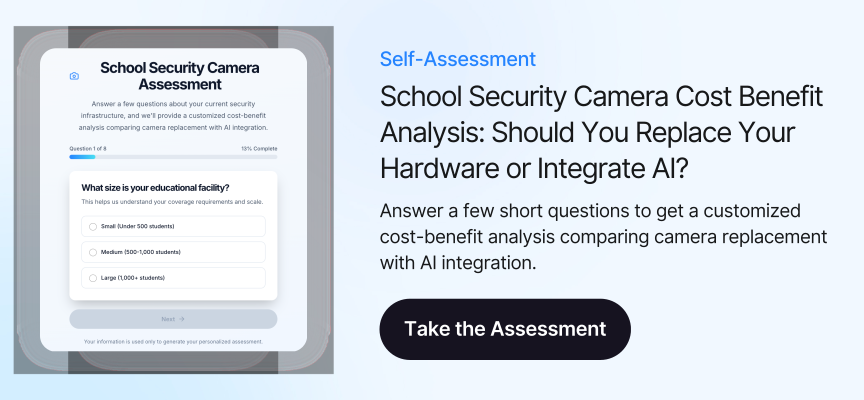
Use this self-assessment to understand your own university’s camera coverage.
How AI-Powered Video Intelligence Works
Artificial intelligence has transformed what existing security cameras can accomplish. AI-powered video intelligence refers to software that analyzes camera feeds in real time, detecting specific behaviors, objects, or situations that require attention. This technology layers onto existing camera infrastructure, eliminating the need for costly hardware replacements.
The core concept involves computer vision algorithms to recognize patterns. These systems can identify weapons, detect when someone has fallen, recognize fighting or aggressive behavior, and flag unauthorized access to restricted areas. Detection happens within seconds, and alerts go directly to security personnel.
By default, a VOLT reviewer checks it before your team is notified. This approach prevents the alert fatigue that plagues traditional motion-detection systems while ensuring genuine threats receive immediate attention.
The following table outlines common detection capabilities available through AI-powered campus security solutions:
|
Detection Capability |
What It Identifies |
Response Application |
|
Weapon Detection |
Firearms, knives, and other weapons visible on camera |
Immediate alert to security with precise location |
|
Person Down |
Individuals who have fallen or collapsed |
Rapid medical response dispatch |
|
Fight Detection |
Physical altercations between individuals |
Early intervention before escalation |
|
Headcount Alerts |
Unusual gathering patterns |
Proactive monitoring of developing situations |
|
Unauthorized Access |
Individuals in restricted areas or during prohibited hours |
Access control enforcement |
|
Loitering Detection |
Prolonged presence in sensitive areas |
Early identification of suspicious behavior |
Learn more about AI-powered video intelligence.
Questions Campus Leaders Should Be Asking
Security assessments benefit from structured inquiry. The following questions help administrators evaluate their current posture and identify potential improvements.
Questions about coverage and visibility should examine whether cameras cover high-traffic areas, building entrances, and spaces where incidents are most likely to occur. Administrators should identify which buildings or areas lack adequate surveillance and determine what addressing those gaps would require. The assessment should also clarify who monitors camera feeds during operating hours and what monitoring occurs after hours.
Detection and response questions focus on how quickly your team would learn about an active threat and through what channels those alerts arrive. Security leaders should evaluate whether their system can pinpoint exactly where an incident is occurring within a building. Cross-camera tracking capability is another consideration: if someone moves through campus, can security follow their path in real time?
Technology and integration questions should determine whether any new solution works with existing cameras or requires replacement. Implementation timeline matters for budget planning and operational readiness. Compliance requirements, including SOC 2 Type 2 certification standards and applicable privacy regulations, should factor into vendor evaluation.

Real-Time Tracking: Why Location Intelligence Matters
One challenge that emerged during the Brown University response involved tracking the suspect's movements after leaving the building. Video footage showed the individual departing on foot, but limited camera coverage made continued tracking difficult.
Advanced security platforms address this through 3D facility mapping and cross-camera tracking. These systems create a digital representation of campus buildings and grounds, with camera coverage overlaid onto the map. When a threat is detected, security personnel can see exactly where the individual is located and follow their movement across multiple camera views.
This capability proves valuable in several scenarios. Security teams can direct officers to precise locations rather than general areas. First responders arriving on scene receive accurate information about where to focus their efforts. Evacuation decisions can be made based on real-time understanding of where a threat is located relative to building occupants.
The technology also transforms post-incident investigation. Traditional security systems require personnel to manually review hours of footage from multiple cameras to reconstruct events. Integrated tracking systems can generate comprehensive incident timelines within minutes, documenting every location where a person of interest appeared and the exact timestamps of their movements.
Privacy Considerations in Campus Security
Faculty, students, and families often express concerns about surveillance technology on campus. These concerns deserve serious consideration. Effective security solutions must balance protection with privacy rights.
Modern AI security systems can monitor for threats without identifying individuals. Behavioral analysis focuses on actions and objects rather than faces. Systems can track clothing descriptions and movement patterns to follow a person of interest without storing biometric data or using facial recognition.
This approach has proven particularly important in states with strict privacy regulations. Illinois, for example, restricts the use of facial recognition technology. Universities in these jurisdictions need solutions that provide security benefits while remaining compliant with applicable laws.
Data encryption, both in transit and at rest, protects any information the system does collect. SOC 2 Type 2 certification provides third-party verification that security platforms meet enterprise-grade data protection standards.
What Proactive Campus Security Looks Like
The distinction between reactive and proactive security defines modern campus safety strategy. Reactive systems record footage for later review. Proactive systems detect threats as they develop and alert personnel immediately.
Universities that have implemented proactive security solutions report several operational changes. Security teams receive alerts within seconds of detection rather than learning about incidents through 911 calls or witness reports. Officers arrive at scenes with accurate information about what is happening and where. Investigations that previously required hours of video review can be completed in minutes.
The following table compares traditional and AI-enhanced security approaches:
|
Security Function |
Traditional Approach |
AI-Enhanced Approach |
|
Camera Monitoring |
Manual review of select feeds |
Continuous AI analysis of all feeds |
|
Threat Detection |
Reliance on witnesses or alarms |
Automated detection with human validation |
|
Alert Delivery |
Phone calls or radio dispatch |
Instant mobile notifications with video |
|
Location Information |
General building identification |
Precise location on 3D facility map |
|
Suspect Tracking |
Manual camera-by-camera review |
Automated cross-camera tracking |
|
Investigation Time |
Hours of footage review |
Seconds to locate relevant video |
Learn more about preventing school shootings.
Taking the Next Step
Campus safety decisions carry significant weight. Administrators must balance security needs with budget constraints, privacy considerations, and the goal of maintaining an open academic environment. Understanding the landscape of available approaches helps leaders make informed choices.
The evaluation process benefits from involving multiple stakeholders. Security directors understand operational requirements and response protocols. IT teams can assess integration with existing infrastructure. Student affairs professionals bring perspective on campus culture and community concerns. Finance officers help translate security investments into budget language that resonates with institutional leadership.
Resources exist to help campus leaders evaluate their options. The VOLT Resource Center for School Shooting Prevention Technology provides educational materials about detection capabilities and implementation considerations. The Gun and Weapon Detection Resource Center offers technical information about how AI-powered detection works.
For administrators ready to explore specific solutions, conversations with peer institutions that have implemented AI security can provide valuable perspective. Case studies from universities like the University of Illinois Chicago and UC Law San Francisco detail real implementation experiences and outcomes.
The path forward requires thoughtful evaluation, stakeholder engagement, and commitment to creating safer learning environments. Every campus community deserves the opportunity to focus on education rather than fear.