Insights
When Campus Buildings Lock in the Evening: Making "Person Detected After Hours" Useful
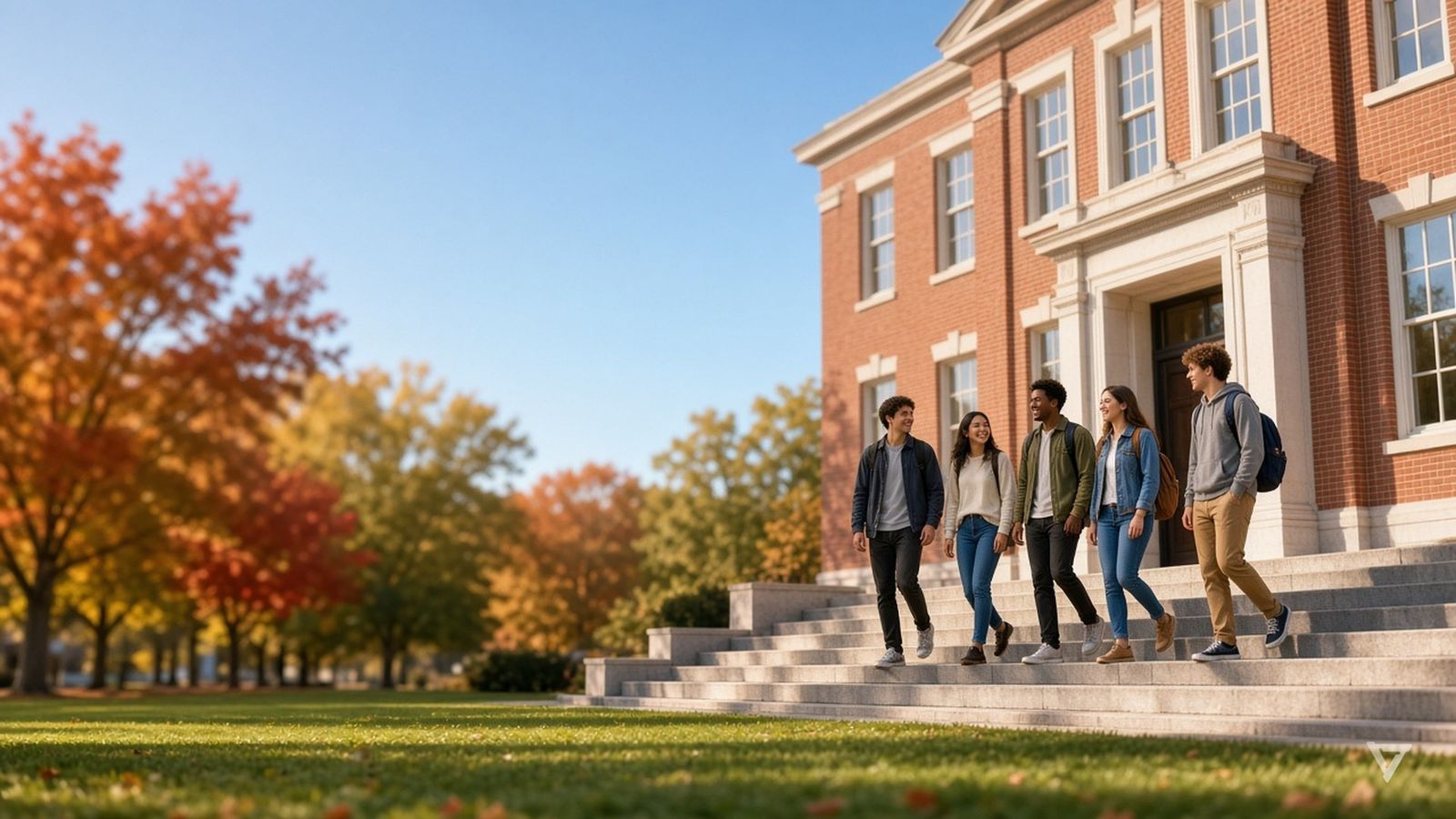
On most campuses, the quiet part of the day is the evening. Classes end, offices close, and a handful of students and staff stay late to study, rehearse or finish lab work. That is also when a building that is supposed to be closed can quietly turn into a place where no one is keeping watch.
What changed at UC Berkeley
In January 2026, UC Berkeley tightened evening access to three busy classroom buildings. Starting Jan. 20, the exterior doors of the Social Sciences Building and Wheeler Hall lock at 7 p.m. on weekdays and require a Cal 1 Card, and most exterior doors of Dwinelle Hall's classroom wing lock at the same time, according to The Daily Californian. Before the change, no keycard was needed to enter those buildings until they closed at 10 p.m., the paper reported.
A campus spokesperson told the paper the changes were made "to create a safer environment for our students, faculty, and staff who use these buildings at night," and that many campus buildings had already moved to keycard access after regular business hours. The same article cites the campus police log, which recorded an exclusion order in December for someone illegally lodging in Dwinelle Hall.
UC Berkeley is not a VOLT customer. We point to its change because it is a clear, public example of something many campuses are working through: once the doors lock, who notices the person who is still inside, or who got in anyway?
The everyday after-hours moment
Locked doors solve a lot, but they don't tell anyone what is happening inside. A door gets propped for a late delivery. Someone follows a student through the entrance. A visitor settles into an empty lecture hall at 11 p.m. to sleep. None of these is an emergency, and most of them end with a friendly conversation. But each one is easier to handle when someone on staff knows about it early, rather than the next morning.
That is the everyday gap an after-hours alert is built for.
How "Person detected after hours" helps
With VOLT, a campus can set the hours when a building, wing or hallway should be empty. When the cameras see someone in that space during those hours, the alert reads: "Person detected after hours."
What happens next is up to the campus. VOLT flags the alert. By default, a person reviews it. From there, the alert goes to whoever the campus has chosen for that building at that time: a night supervisor, a facilities lead, a residence life staffer or campus police. The goal is simple: get the right people to the right place at the right time.
Most of the time, the person on camera is a grad student who stayed later than planned or a custodian on a late shift. A quick check-in settles it. When it isn't, staff learn about it while there is still time to respond calmly.
VOLT is built to run on the cameras you already have.
A short note on serious days
After-hours alerts are the day-to-day value. On the rare serious day, the same cameras support weapon detection as well: VOLT detects handguns, long guns, and knives that are visible to the camera.
Questions to ask before the doors lock tonight
- Which buildings or wings should be empty after a set hour, and on which days?
- Who should hear about a person detected after hours in each building: facilities, residence life, or campus police?
- What is the first, friendly step when someone is found inside: a check-in, an escort out, or a call for help?
- How will students and staff who need late access be told about the new hours?
Evening access policies keep spreading across campuses. Pairing them with a clear after-hours alert means a locked door is not the end of the story; it is the start of a calm, well-routed response.
Want to see how after-hours alerts could work on your campus? Request a demo at https://volt.ai/demo.