Insights
Winter Break on Campus: Planning Coverage While College Buildings Are Closed
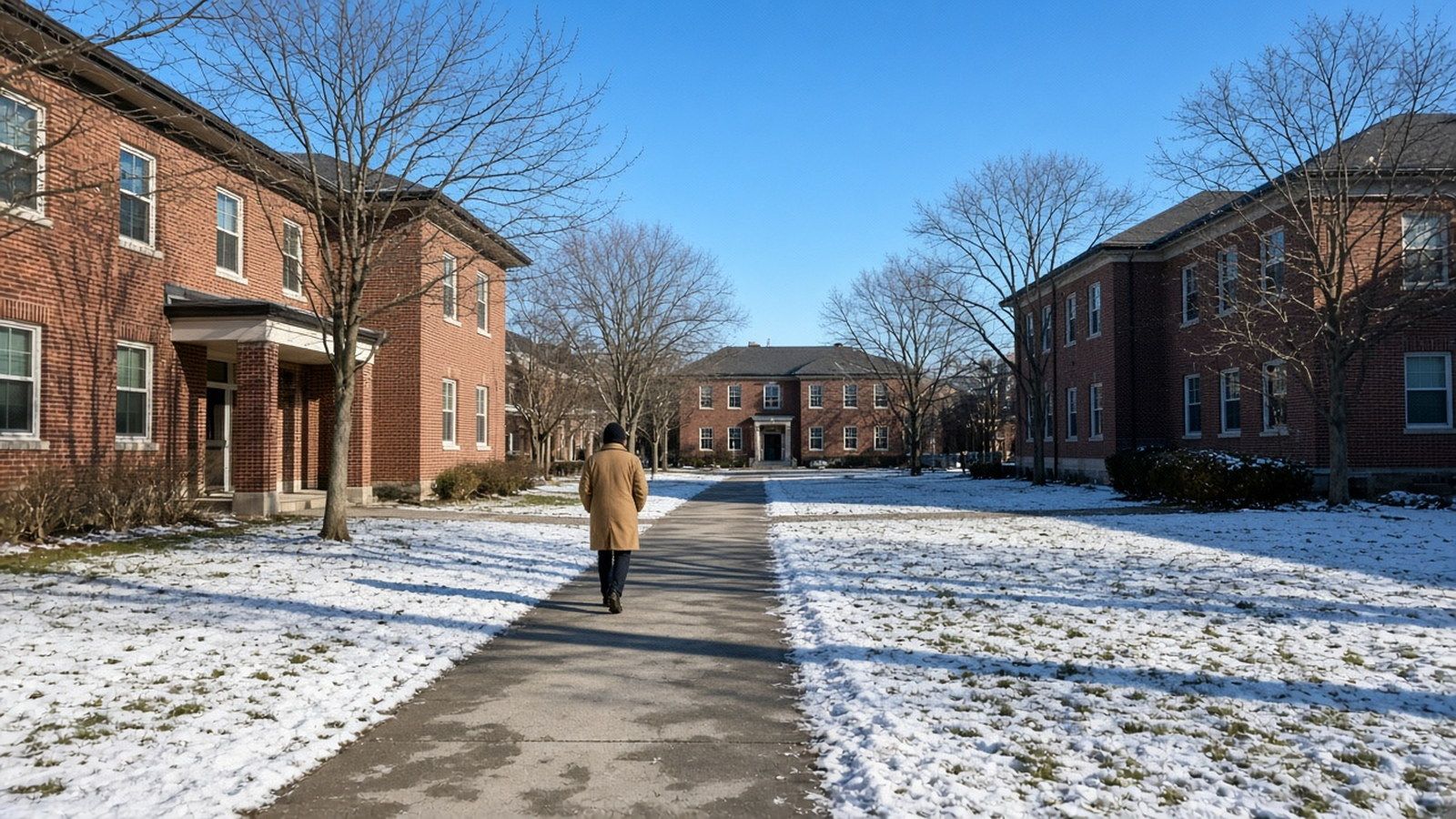
When campus goes home for winter break, a short, clear plan keeps the quiet weeks calm: who can get into which buildings, who checks on them, and who hears about anything unexpected.
What one university told its staff
In a November 18, 2025 memo, George Mason University Police and Public Safety told faculty and staff that the university would close for winter break from December 22, 2025 through January 5, 2026, and that academic and administrative buildings would be locked for the whole period. The memo also named the real-world wrinkle: "some students, staff and faculty may need access during this time to the locked buildings without electronic access."
So the university set up two paths. People who know they will need a space can request access ahead of time with a department head's sign-off. Per the memo, people who need in without notice call the department, meet an officer at the main door, and show their photo ID, their university ID and their office key.
That is a sensible plan, and it points to the real job of winter break. The campus isn't empty. A researcher checks on a lab, a staff member picks up a laptop, a student returns while others are still away. The work is knowing which of those visits were expected.
Where the quiet weeks still need eyes
Over a long break, a small team covers quiet buildings across campus. Day after day nothing happens. But a door that didn't latch, a visitor who wanders past the one office they came for, or a light on in a hall that should be dark can go unnoticed for days when nobody walks that floor.
Questions for your own winter break plan
- Closed dates: are the dates and the list of closed buildings posted where faculty, staff and students will see them?
- Planned access: who has asked for access, to which building, and on which days, and can the staff you choose see that list?
- Unplanned access: what does someone do if they need in without notice, and who meets them?
- Building checks: which buildings get walked, on what schedule, and by whom while the regular staff are away?
- Who hears about it: if someone is in a closed building who isn't on the list, who gets told first?
Where VOLT fits
VOLT is built to notice moments: a fall, a possible fight, someone where they shouldn't be.
Your team can mark which buildings and areas should be empty during the break, and for which hours. If someone is in one of those spaces where the cameras can see, VOLT can flag it, and the alert names what was seen and where. The alert can go to the people your team chooses, so they can check it against the access list and decide whether it's an expected visit. A VOLT reviewer checks a moment by default before staff are notified.
That way a small break crew isn't alone when someone turns up in a building that should be empty. To see how this could work for your winter break plan, request a demo.