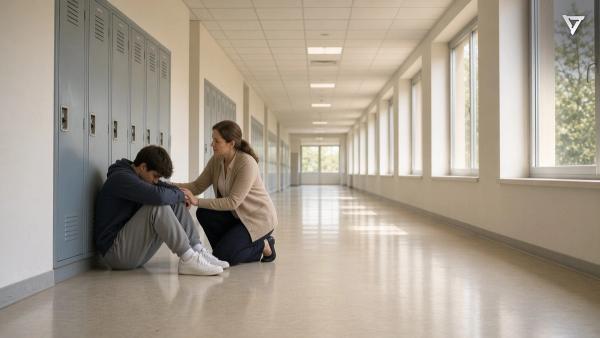
A student is hurt in a hallway.
What is happening: a possible fall. Where: the hallway. Who is told: the staff your school chooses.
VOLT helps school staff notice when something happens.
VOLT is built to notice moments: a fall, a possible fight, someone where they shouldn't be.
VOLT doesn't need someone watching every screen.
A camera on its own just records. If something goes wrong, the video is a replay of what already happened.
VOLT is different. It flags moments that need attention, so people can act.
VOLT is built to notice what a fall looks like.
That is how it can tell a person lying on the floor from students playing a basketball game.
VOLT doesn't name anyone.
VOLT does not decide what happens to a student. Your school's staff and rules do.
Step 1
VOLT works with existing IP cameras.
Step 2
Step 3
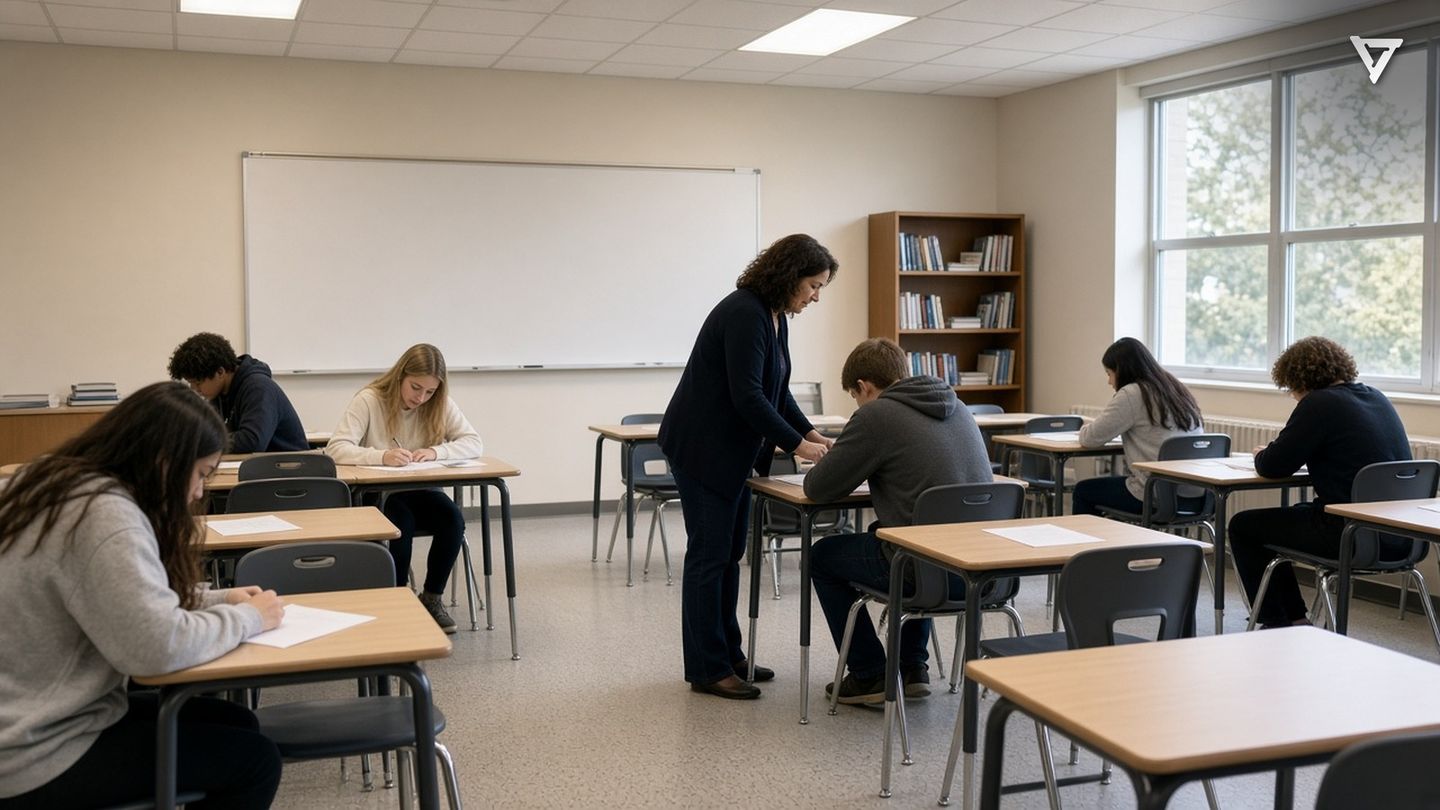
Another alert is "Person detected after hours."
Step 4
The alert names what was seen and where; the email and the VOLT app show the camera view.
When something goes wrong, the hard part is knowing that something is wrong, and where. The goal is getting the right people to the right place at the right time.
VOLT alerts the staff your school chooses, with what may be happening and where, so the right people can get moving.
Here is what your child's school can know, and what it can do.
Step 1
VOLT notices a moment, like a fall. An alert tells staff something may be happening.
Step 2
What was seen, and where
Step 3
Your school chooses which staff get told.
If your child becomes unwell or gets hurt at school, the people nearby may panic or freeze. That is a normal reaction in an emergency. What matters is that the right staff know.
VOLT's AI finds moments and brings them to the staff your school chooses. Your school's staff see what is happening and where, then respond the way they know how.
A few examples of what VOLT is built to notice, and who your school tells.
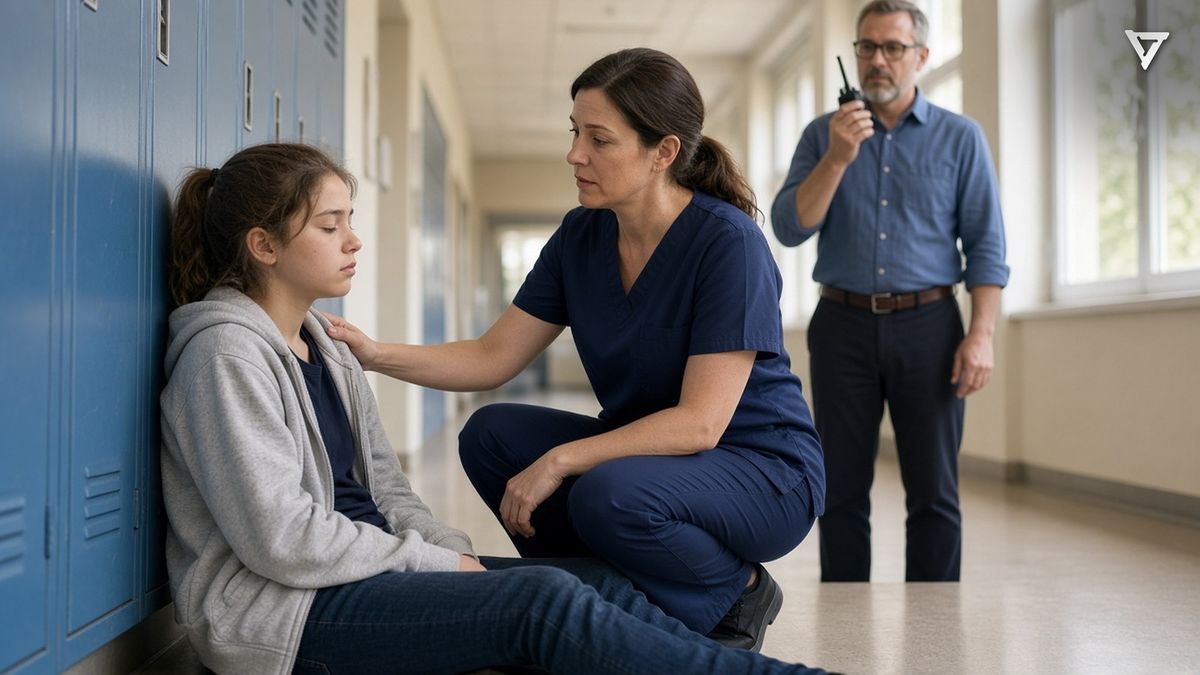
What is happening: a possible fall. Where: the hallway. Who is told: the staff your school chooses.
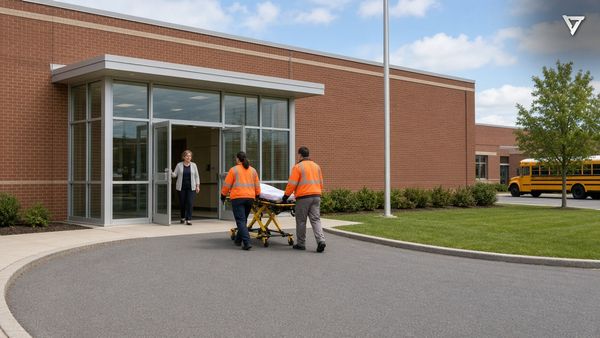
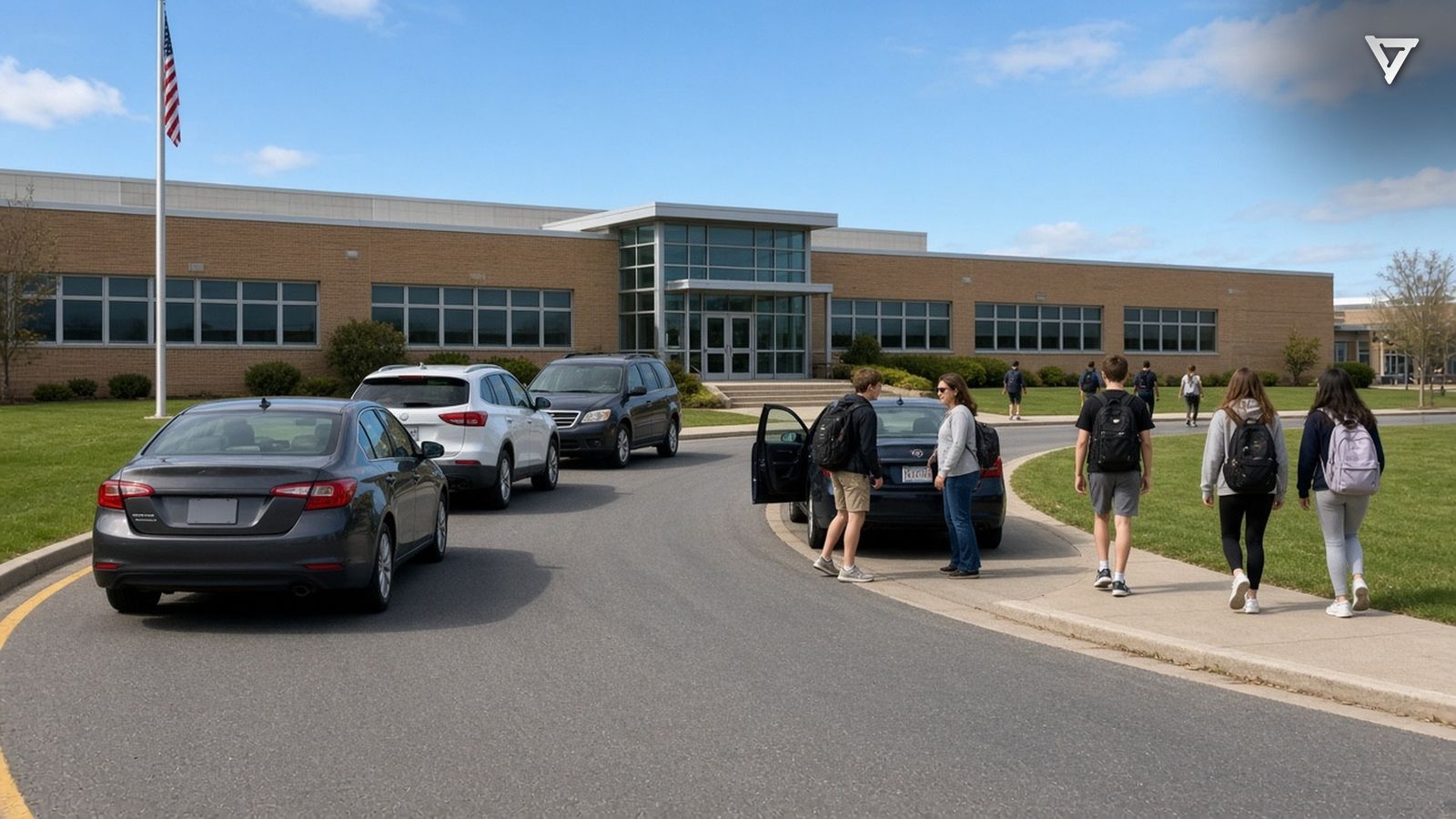
What is happening: a possible fall. Where: the school entrance. Who is told: the staff your school chooses.
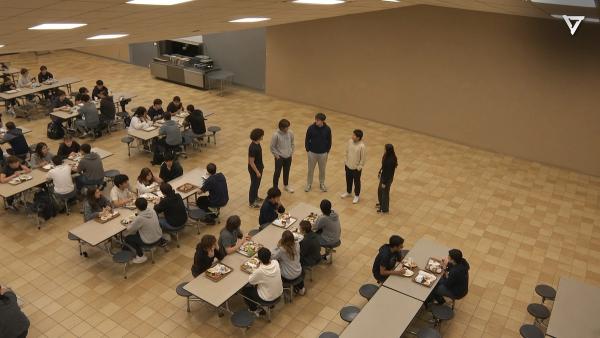
What is happening: a possible fight. Where: near the cafeteria. Who is told: your school decides. That may be the assistant principal.
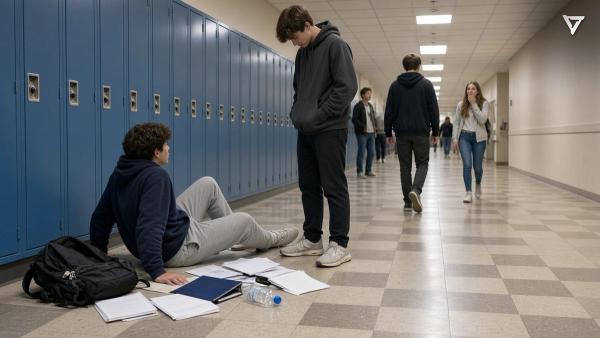
What is happening: a possible fight. Where: a hallway by the lockers. Who is told: the staff your school chooses.
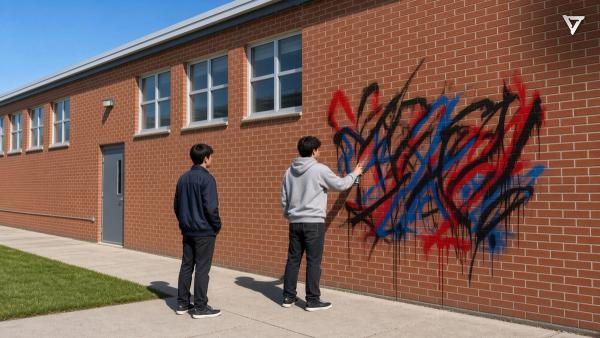
What is happening: someone at the school when they shouldn't be. Where: outside a school building. Who is told: the staff your school chooses.
Your school decides whether to use VOLT, and it decides the rules.
VOLT works with existing IP cameras.
Your school decides the rules.
Say VOLT sends a "Possible fight" alert. A VOLT reviewer checks a moment by default before staff are notified.
Any AI system can get things wrong. That is a real concern. An alert is a heads-up, not a decision. Your school's staff decide what to do.
No. It looks for everyday moments too, like a fall or a possible fight. VOLT detects possible handguns, long guns, and knives visible to the camera.
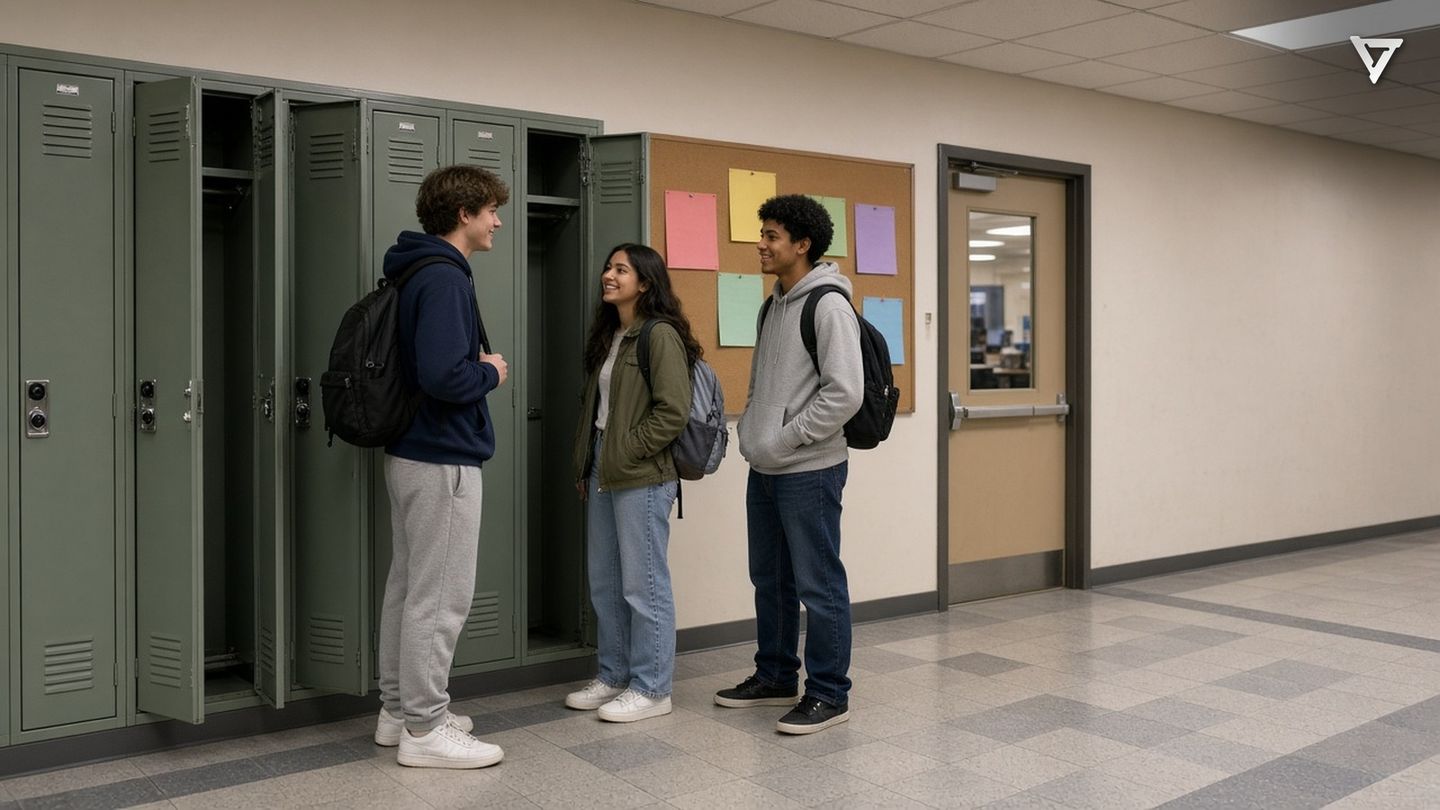
You want your child to be safe at school, and you want their privacy respected. Here is what VOLT uses, and what it doesn't do.
Your school chooses which staff get told. We think staying safe shouldn't mean giving up your privacy.
Want the details? Read our privacy policy.
Your school is the best place to start. You can also email info@volt.ai.
You can also send a message on our contact page.
For the family kit (Family FAQ, parent letter, overview), see our family page.