The Three Pillars of Modern SRO Responsibilities
The effectiveness of a School Resource Officer extends far beyond traditional law enforcement duties. Today's SROs must master a complex set of responsibilities that balance security with student support and education.
Each pillar reinforces the others, creating a comprehensive approach to school safety that goes beyond simple security to foster a positive, supportive learning environment.
Today's SROs operate under what's known as the "triad" concept, encompassing three essential roles:
1. Law Enforcement Officer
- Ensures campus safety and security
- Responds to criminal violations and emergencies
- Conducts safety assessments and threat evaluations
- Coordinates with local law enforcement during critical incidents
- Manages crisis response protocols
2. Informal Counselor and Mentor
- Builds positive relationships with students
- Provides guidance on law-related issues
- Helps students navigate challenging situations
- Serves as a positive law enforcement role model
- Supports conflict resolution initiatives
3. Educational Resource
- Conducts safety presentations and workshops
- Provides legal education programs
- Advises on school safety policies
- Trains staff on emergency procedures
- Participates in safety committee meetings
These three pillars, working in harmony, create the foundation for a successful SRO program that enhances both safety and student success.
Qualifications and Training Requirements
Selecting and preparing an effective School Resource Officer requires careful attention to qualifications and ongoing training needs. Unlike traditional law enforcement roles, SROs must possess a unique combination of law enforcement experience, educational understanding, and interpersonal skills.
This specialized position demands comprehensive initial training and continuous professional development to ensure officers can effectively address the complex challenges of today's educational environments.
Modern SROs must possess specific qualifications and undergo specialized training to serve effectively in educational environments:
Basic Requirements:
- Active law enforcement certification
- Minimum 3-5 years of law enforcement experience
- Clean disciplinary record
- Advanced education (preferred)
- Specialized SRO certification training
Specialized Training Areas:
- Adolescent psychology and development
- Cultural competency and diversity awareness
- Crisis intervention and de-escalation
- Mental health first aid
- Emergency response protocols
- Educational law and student rights
- Special education considerations
A well-trained SRO with the right qualifications becomes an invaluable asset in creating and maintaining a safe, supportive school environment.
Distinguishing SROs from Traditional Security Personnel
While many schools employ various security measures, School Resource Officers occupy a unique and specialized role that sets them apart from traditional security personnel. Understanding these distinctions is crucial for school administrators making decisions about their security programs.
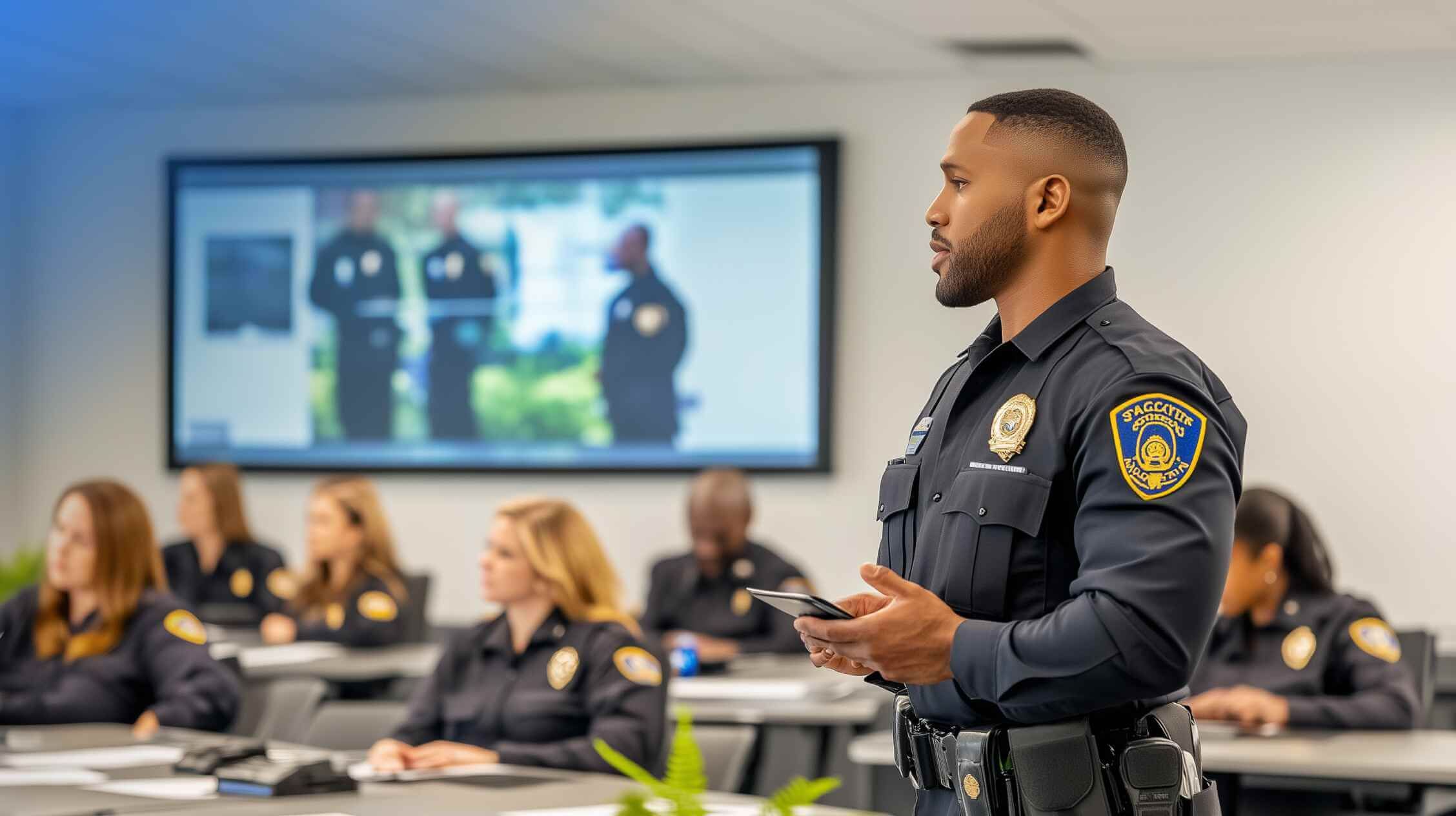
SROs bring a level of authority, training, and community integration that fundamentally transforms how safety and security are managed within educational settings. Their enhanced capabilities and deeper integration with the school community create opportunities for more comprehensive and effective safety programs.
While both SROs and private security officers contribute to school safety, their roles and capabilities differ significantly:
SRO Capabilities:
- Full law enforcement authority
- Direct connection to local police resources
- Ability to make arrests when necessary
- Advanced crisis response training
- Deep integration with school community
- Educational and mentoring responsibilities
Traditional Security:
- Limited enforcement authority
- Focus on access control and monitoring
- Observation and reporting duties
- Basic security training
- Limited community engagement role
- Primarily security-focused responsibilities
This fundamental difference in authority, training, and scope makes SROs a uniquely valuable component of comprehensive school safety strategies.
Integration with Modern Security Technology
Today's SROs must work seamlessly with advanced security systems to maximize their effectiveness. Modern technology can serve as a force multiplier, enhancing an SRO's ability to monitor and respond to situations across campus.
Key technological integrations include:
- Real-time video intelligence systems for proactive threat detection
- Mobile communication platforms for instant alerts and updates
- Emergency response systems with direct links to first responders
- Digital incident reporting and tracking tools
- Access control and visitor management systems
When properly equipped with these tools, SROs can more effectively:
- Monitor multiple areas simultaneously
- Respond more quickly to emerging situations
- Coordinate with other security personnel
- Document and track incidents efficiently
- Make data-driven security decisions
The Evolution of SRO Programs
The role of SROs continues to evolve as schools face new challenges and adopt new technologies.
Modern programs emphasize:
- Proactive rather than reactive approaches to school safety
- Integration of mental health and behavioral intervention strategies
- Community-oriented policing principles
- Data-driven decision-making
- Continuous professional development
- Enhanced collaboration with school support services
This evolution reflects a deeper understanding of school safety as a complex challenge requiring a multi-faceted approach, with SROs serving as crucial partners in creating secure and supportive learning environments.

But here's what many administrators discover: The financial equation of an SRO program is far more complex than a simple line item expense. Let's break down the real economics of school resource officers and explore why many schools find them to be a worthwhile investment, despite the initial sticker shock.
Understanding the True Costs
The most obvious cost of an SRO program is the officer's salary, typically ranging from $50,000 to $80,000 annually. But that's just the beginning. Schools need to factor in benefits, equipment, training, and often dedicated office space. Some schools also provide vehicles or cover overtime for after-school events.
These numbers might seem daunting, but here's where things get interesting: Many schools have found creative ways to make these programs more affordable than they appear at first glance.
Some of the direct costs include:
Personnel Expenses:
- Officer salary and benefits (typically ranging from $50,000 to $80,000 annually)
- Overtime for after-school events and activities
- Professional development and ongoing training
- Required certifications and recertification costs
- Uniform and equipment allowances
Operational Costs:
- Office space and facilities
- Communication equipment
- Vehicle expenses (if provided)
- Insurance and liability coverage
- Administrative support
Finding the Money: It's Not All Out of Pocket
Think of SRO funding like a puzzle where the pieces come from different boxes. Federal grants, particularly through the COPS program, often cover significant portions of SRO costs. State safety grants can fill gaps, and local law enforcement partnerships frequently share expenses. Some schools have even secured community sponsorships or developed regional sharing programs to distribute costs across multiple campuses.
But perhaps the most overlooked aspect of SRO program finances is what these officers can save schools in other areas. This is where the business case gets particularly compelling.
Funding Sources and Opportunities
Schools can access various funding streams to support SRO programs:
Federal Grants:
- Community Oriented Policing Services (COPS) grants
- School Violence Prevention Program (SVPP) funding
- Student Support and Academic Enrichment (SSAE) grants
- Rural Education Achievement Program (REAP) funds
State and Local Resources:
- State safety grants
- Local law enforcement partnerships
- Community safety initiatives
- Educational improvement funds
- District security budgets
Cost Optimization Strategies
Modern schools are finding innovative ways to maximize the value of their SRO investments:
Technology Integration:
- Implementing AI-powered video surveillance to extend SRO coverage
- Using automated alert systems to improve response efficiency
- Deploying digital reporting tools to reduce administrative burden
- Leveraging data analytics for resource optimization
Resource Sharing:
- Partnering with neighboring schools for shared services
- Coordinating with local law enforcement for coverage
- Combining training resources across districts
- Sharing technological infrastructure
Technology: The Modern Multiplier
Here's where modern school security gets really interesting: Technology has become a game-changer in the SRO cost equation. By integrating AI-powered surveillance systems with SRO programs, schools can dramatically extend their security coverage without proportionally increasing costs.
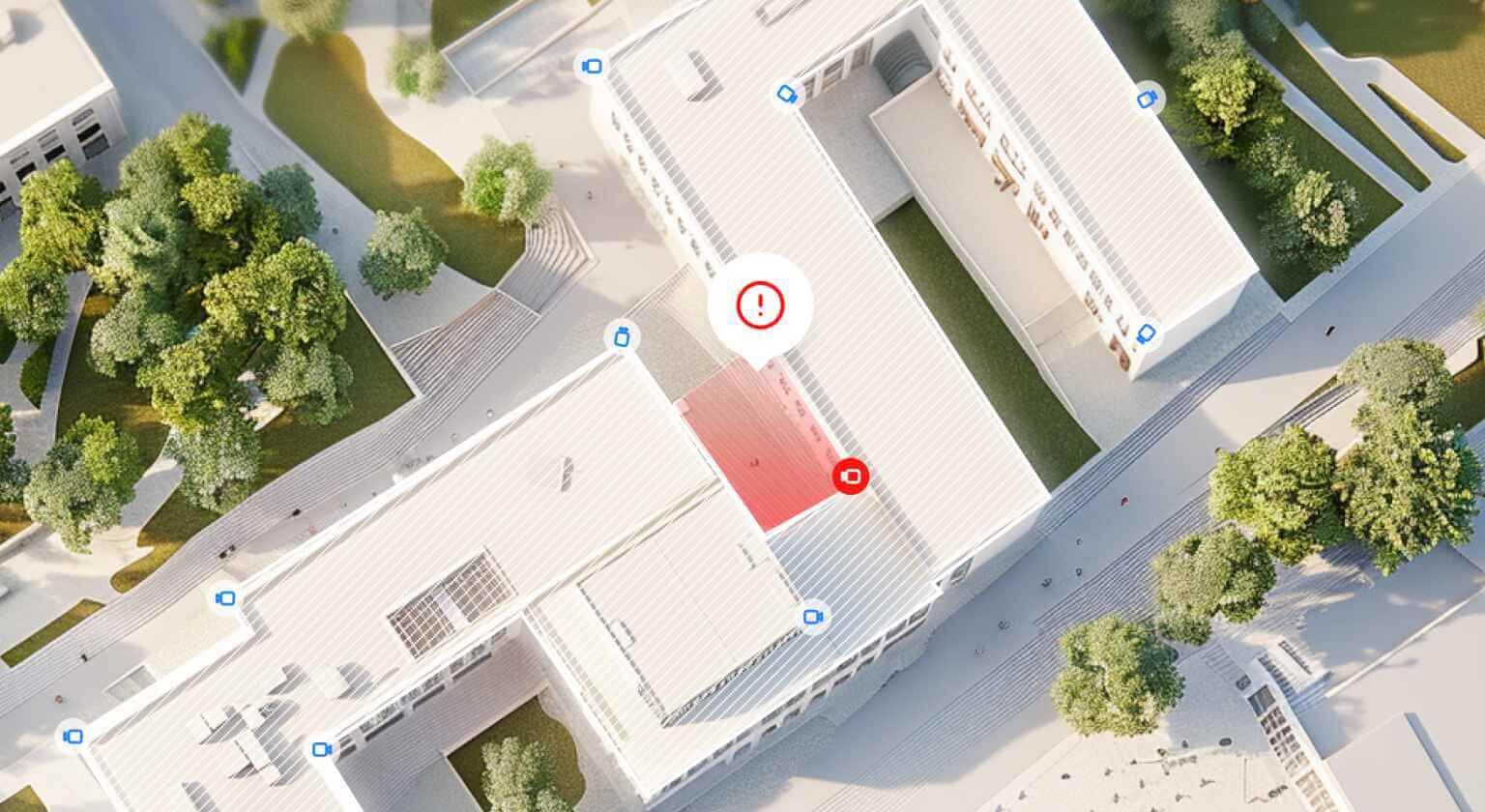
Think of it this way: An SRO can't be everywhere at once, but when equipped with modern security technology, they can effectively monitor multiple locations simultaneously. This technology acts as a force multiplier, making each SRO more efficient and effective – and ultimately more valuable to the school.
The Hidden Financial Benefits
Insurance companies have taken notice of well-run SRO programs. Many schools report lower premium costs after implementing these programs. Why? Because insurers recognize that SROs reduce various risks, from vandalism to serious security incidents.
Then there's the efficiency factor. Schools with SROs often spend less on private security services and see reduced costs from property damage. More importantly, when incidents do occur, having an SRO on campus typically means faster response times and more efficient resolution – factors that can significantly impact both costs and outcomes.
Beyond the Balance Sheet
While we're focusing on the business case, it's worth noting that some of the most significant benefits of SRO programs don't show up in financial reports. Improved school climate, better student-law enforcement relationships, and enhanced emergency preparedness all contribute to a school's overall success – factors that indirectly impact everything from enrollment to staff retention.
Measuring Return on Investment
When evaluating SRO program ROI, schools should consider both quantitative and qualitative metrics:
Quantitative Measures:
- Reduction in security incidents
- Decreased vandalism and property damage
- Lower insurance premiums
- Reduced need for external security services
- Faster emergency response times
Qualitative Benefits:
- Enhanced school climate and culture
- Improved student-law enforcement relationships
- Increased sense of safety among students and staff
- Stronger community partnerships
- Better preparedness for emergencies
Making the Program Work Financially
For schools considering an SRO program, here's a practical approach to making it financially viable:
- Start with a thorough cost analysis that includes both obvious and hidden expenses
- Explore multiple funding sources, from grants to community partnerships
- Invest in technology that can multiply the SRO's effectiveness
- Track both quantitative and qualitative benefits to demonstrate program value
- Consider shared service arrangements with neighboring schools or districts
The Bottom Line
When evaluating the business case for SROs, the key question isn't simply "Can we afford this program?" but rather "Can we afford not to have this program?" In an era where school safety is paramount, many administrators find that a well-implemented SRO program – especially one enhanced by modern security technology – provides value that extends far beyond its cost.
The most successful programs tend to be those that think strategically about both implementation and funding, using a combination of creative financing, technology integration, and careful resource management to maximize their return on investment. In the end, while the initial numbers might seem challenging, the comprehensive business case for SROs often proves compelling when all factors are considered.

Technology Competency: A Modern Must-Have
In today's schools, SROs need to be comfortable with modern security technology.
Look for candidates who show:
- Willingness to learn new systems
- Basic technical proficiency
- Understanding of digital security tools
- Appreciation for technology's role in school safety
- Ability to integrate traditional policing with modern security solutions
Making the Final Decision
When it comes time to make your selection, consider creating a weighted evaluation system that includes:
Setting Up for Success
Once you've selected your SRO, the work isn't over. The first 90 days are crucial for setting the right tone and expectations. Consider implementing:
- A structured orientation program
- Regular check-ins with administration
- Clear performance metrics
- Feedback mechanisms from students and staff
- Technology training and support
- Community introduction events
Remember, the goal isn't just to fill a position – it's to find someone who can help create a safer, more supportive school environment while building positive relationships with your entire school community.
The right SRO can transform your school's approach to safety and security. By taking time to find the perfect fit and providing proper support, you're not just making a hire – you're making an investment in your school's safety culture.Let's explore how to build a program that actually works – one that enhances school safety while supporting your educational mission.
First Steps: Building Your Foundation
Think of implementing an SRO program like constructing a building – you need solid groundwork before anything else. The most successful programs start with:
A Clear Mission Statement
Your mission statement should go beyond generic safety goals. The best ones specifically outline how your SRO program will:
- Support your school's educational objectives
- Define the balance between security and mentorship
- Establish clear boundaries of authority
- Set expectations for community engagement
- Align with existing school culture
Well-Defined Roles and Responsibilities
Here's where many programs stumble – unclear expectations. Your implementation plan should explicitly outline:
- What falls under SRO jurisdiction (and what doesn't)
- When and how teachers should involve the SRO
- Where administrative discipline ends and law enforcement begins
- How the SRO integrates with existing security measures
- Which situations require immediate SRO involvement
The Communication Framework
Poor communication can derail even the best-planned SRO program. Successful implementation requires building clear channels between all stakeholders:
Internal Communications:
- Regular meetings with administration
- Daily check-ins with security team
- Structured reporting procedures
- Clear escalation protocols
- Feedback loops with staff
External Communications:
- Updates to parents and community
- Coordination with local law enforcement
- Information sharing with partner agencies
- Crisis communication plans
- Community engagement protocols
Technology Integration: The Modern Element
In today's educational environment, technology isn't just a nice-to-have – it's a critical force multiplier for your SRO program. While many schools still view their SRO and their security technology as separate entities, this siloed approach significantly limits both's effectiveness.
The most successful programs recognize that modern security technology, particularly AI-powered systems, can dramatically extend an SRO's capabilities, allowing them to monitor more areas, respond faster to incidents, and prevent problems before they escalate.
Think of technology as your SRO's partner, providing extra eyes and ears across campus while delivering the real-time intelligence needed for informed decision-making. When properly integrated, these tools don't replace human judgment – they enhance it, allowing your SRO to focus on what matters most: building relationships and maintaining a safe learning environment.
Essential Tech Components:
- AI-powered surveillance systems for proactive monitoring
- Mobile communication platforms for instant alerts
- Digital incident reporting systems
- Emergency response coordination tools
- Data analytics for program assessment
The key is integrating these tools in ways that enhance, rather than complicate, the SRO's ability to serve the school community.
Creating Standard Operating Procedures
Even the most experienced SROs need clear guidelines to be effective in an educational setting. Standard Operating Procedures (SOPs) do more than just outline basic responsibilities – they create a framework for consistent, professional response to everything from routine patrols to crisis situations.
Well-crafted SOPs help bridge the gap between law enforcement and educational cultures, ensuring your SRO knows exactly how to handle various situations while respecting school policies and student needs. They also provide crucial clarity for administrators, teachers, and staff about when and how to involve the SRO, preventing both over-reliance and underutilization of this valuable resource.
Think of your SOPs as the playbook that keeps everyone on the same page, reducing confusion and improving outcomes when quick decisions are needed.
Every successful program needs clear guidelines. Your SOPs should cover:
Daily Operations:
- Patrol schedules and routes
- Check-in procedures
- Report writing requirements
- Emergency response protocols
- Investigation procedures
Special Situations:
- Crisis response protocols
- Event security procedures
- After-hours responsibilities
- Off-campus incident handling
- Mental health emergency responses
Measuring Success: Beyond Basic Metrics
Traditional security metrics like incident counts and response times tell only part of the story when it comes to SRO program effectiveness. The true impact of a school resource officer extends far beyond these simple numbers into areas that are harder to quantify but arguably more important: student trust, school climate, and community relationships.
Progressive schools are discovering that comprehensive program assessment requires a more nuanced approach that combines hard data with qualitative feedback from all stakeholders. This broader view of success helps administrators understand not just how many incidents their SRO handles, but how their presence affects the overall educational environment.
After all, the goal isn't just to respond to problems – it's to create an atmosphere where students feel safe, supported, and ready to learn. Consider tracking:
Quantitative Measures:
- Response times to incidents
- Number of preventive interventions
- Reported safety violations
- Emergency drill participation
- Training completion rates
Qualitative Indicators:
- Student trust levels
- Staff satisfaction
- Parent feedback
- Community engagement
- Educational program participation
Building Community Support
The success of any SRO program ultimately depends on the trust and support of your school community. This isn't just about getting parents and teachers to accept the presence of law enforcement in schools – it's about creating true partnerships where everyone understands and supports the SRO's role in creating a safer learning environment.
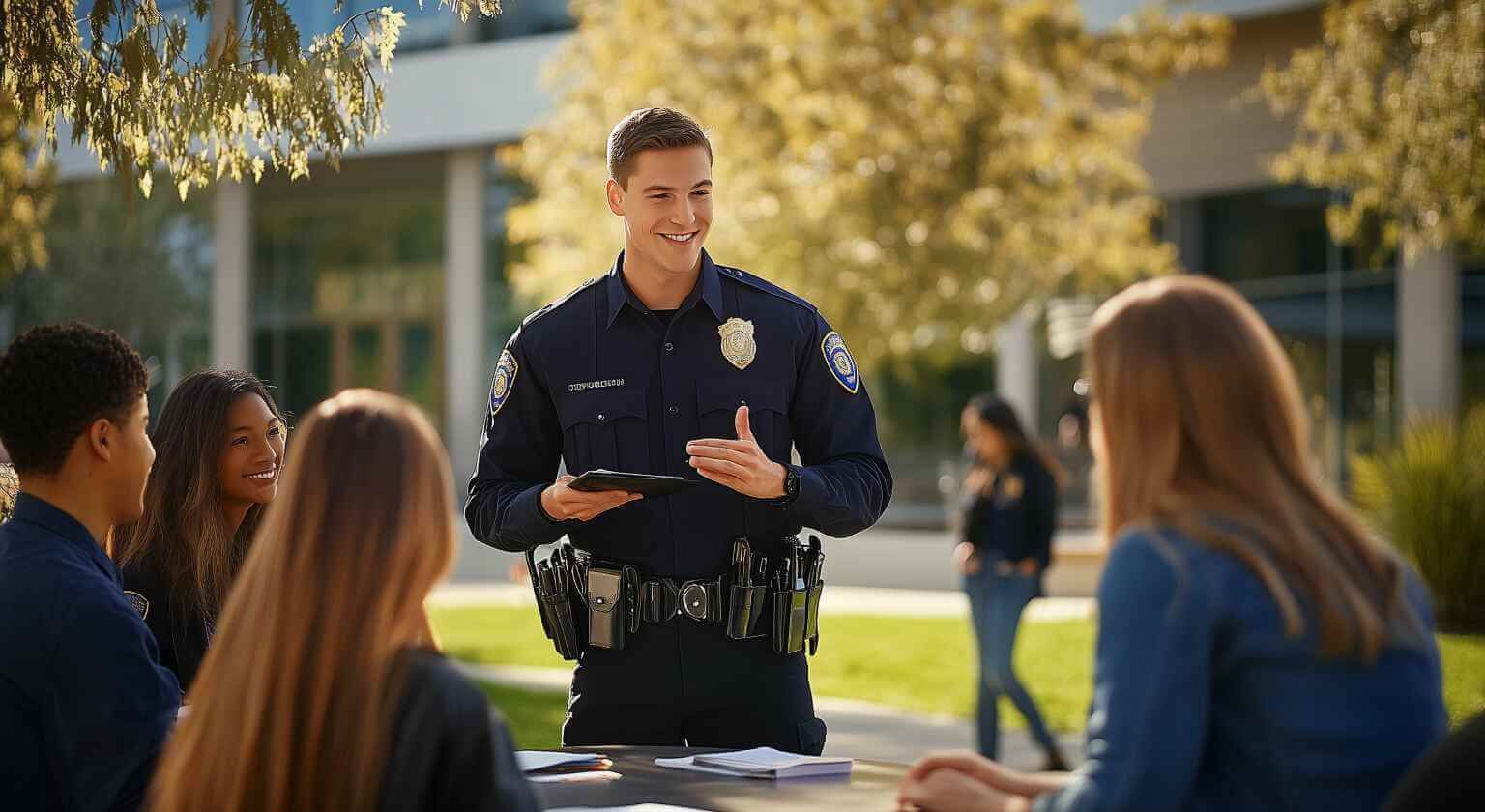
Building this support requires intentional, ongoing effort and transparent communication about both the program's goals and its results. Many schools find that resistance to SRO programs often stems from misconceptions or past negative experiences with law enforcement. Addressing these concerns head-on while showcasing the positive impact of a well-implemented program can transform skeptics into advocates.
Remember, your SRO isn't just serving your school – they're serving your entire community, and that community's support is essential for long-term program success. Build support through:
Early Engagement:
- Parent information sessions
- Student orientation programs
- Staff training workshops
- Community meet-and-greets
- Regular program updates
Ongoing Involvement:
- Advisory committee participation
- Regular community forums
- Student feedback sessions
- Parent consultation groups
- Local partnership development
The Evolution Factor
Try it: the school camera cost calculator — estimate in about two minutes whether adding AI to your existing cameras costs less than replacing them.
Remember, your SRO program shouldn't remain static. Build in mechanisms for:
- Regular program assessment
- Policy updates and revisions
- Technology upgrades
- Training refreshers
- Community feedback integration
The most successful SRO programs evolve with their schools, adapting to new challenges while maintaining their core mission of creating safe, supportive learning environments.
Remember: Implementation isn't a one-time event – it's an ongoing process of refinement and improvement. The key is starting with a solid foundation, maintaining clear communication, leveraging appropriate technology, and staying responsive to your school community's needs.
It's not a limitation of skill or dedication – it's simply human nature. This is where AI-powered video surveillance isn't just helpful; it's transformative.
The New Partnership: SROs and AI
Think of AI video surveillance as your SRO's always-alert partner. While your officer is building relationships in the cafeteria or responding to a situation in the gymnasium, AI systems are continuously monitoring every camera feed across campus with unwavering attention. Here's what makes this partnership particularly powerful:
Real-Time Detection and Alerts
- Weapon identification before entry points
- Fight detection as situations develop
- Medical emergency recognition (falls, seizures, distress)
- Unauthorized access detection
- Suspicious behavior patterns
- Crowd formation monitoring
But here's the key: These aren't just blind alerts. Modern AI systems can distinguish between a student peacefully sitting against a wall and someone who has fallen and needs help. They can identify a weapon even when it's held at someone's side, providing precious extra seconds for response.
From Information Overload to Actionable Intelligence
Remember those old security rooms with walls of monitors? Here's how AI transforms that outdated model:
Intelligent Monitoring:
- 24/7 analysis of all camera feeds simultaneously
- Automatic filtering of non-threat activities
- Immediate focus on potential security concerns
- Real-time tracking across multiple cameras
- Instant alert verification
The difference is dramatic: Instead of trying to watch dozens of feeds, your SRO receives specific, verified alerts about situations that genuinely require attention. It's like having a tireless assistant who knows exactly when to tap you on the shoulder.
The Power of 3D Mapping
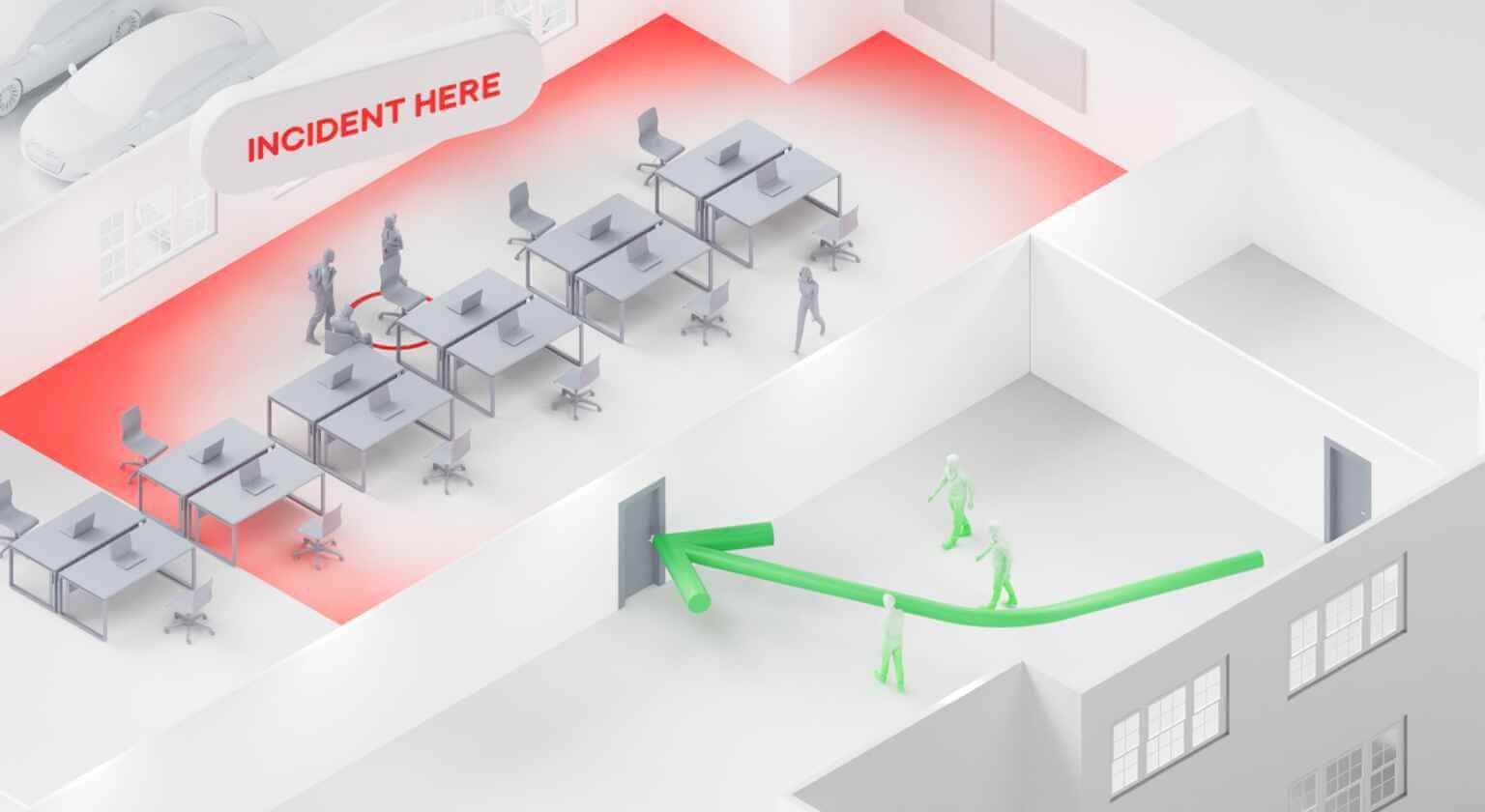
Here's where modern AI surveillance gets really interesting. Systems like VOLT AI don't just monitor camera feeds – they create dynamic 3D maps of your campus that:
- Track movement patterns across buildings
- Provide exact location information for incidents
- Enable efficient response routing
- Maintain subject tracking even after an alert (e.g. a weapon that is then put away)
- Create comprehensive situational awareness
This means your SRO doesn't just know there's an incident – they know exactly where it is, how to get there fastest, and what's happening in surrounding areas.
Making Every Second Count
In school security, time isn't just money – it's safety. AI-powered systems have transformed response capabilities:
- Instant alert delivery to mobile devices
- Real-time video access from anywhere on campus
- Automated emergency service notification
- Continuous situation updates
- Digital evidence preservation
Integration That Works
The key to successful AI integration isn't just having the technology – it's implementing it in ways that enhance rather than complicate your SRO's work:
Smart Deployment:
- Custom alert protocols based on threat levels
- Automated verification to reduce false alarms
- Mobile accessibility for on-the-move officers
- Simple, intuitive interfaces
- Clear escalation procedures
Privacy and Trust
Modern AI systems address privacy concerns through:
- Behavior analysis without facial recognition
- Encrypted data transmission
- Role-based access controls
- Automated data retention policies
- Audit trails for system access
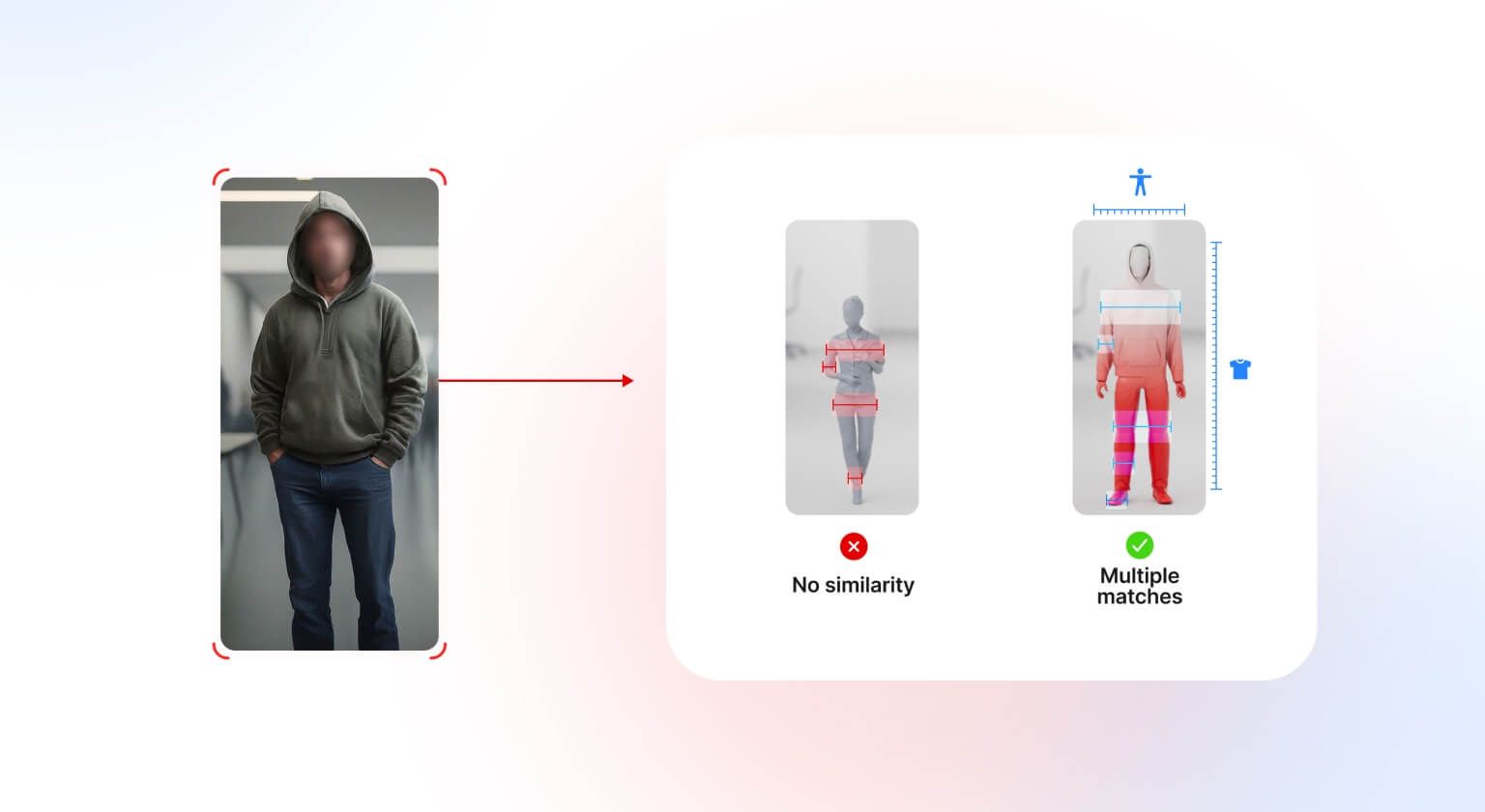
The Results Speak Themselves
Schools implementing integrated AI surveillance are seeing remarkable improvements:
- Response times reduced to seconds instead of minutes
- More preventive interventions before situations escalate
- Better coverage with existing staff
- Reduced investigation time
- Improved evidence quality
- Enhanced situational awareness
Looking Forward
The future of school security lies in this partnership between human expertise and AI capabilities. As the technology continues to evolve, we're seeing:
- More sophisticated behavior analysis
- Enhanced predictive capabilities
- Better integration with other security systems
- Improved accuracy and fewer false positives
- More intuitive user interfaces
Remember: The goal isn't to replace your SROs with technology – it's to give them superhuman capabilities to protect your school community. When implemented thoughtfully, AI video surveillance becomes a force multiplier that allows your officers to focus on what they do best: building relationships, responding to critical situations, and creating a safer school environment.
Making Technology Work for Your School
Every school implementing AI-enhanced security alongside their SRO program faces challenges. Let's tackle the most common ones head-on with practical solutions that work in the real world.
The Budget Balancing Act
The Challenge: Schools often struggle to justify the investment in advanced security technology, especially when already funding SRO positions.
The Solution: Consider that AI surveillance can actually reduce overall security costs by:
- Decreasing reliance on additional security personnel
- Reducing investigation time and associated costs
- Minimizing losses from vandalism and theft
- Potentially lowering insurance premiums
- Maximizing existing camera infrastructure
Many schools find that the initial investment pays for itself through improved resource allocation and incident prevention.
The Technology Learning Curve
The Challenge: SROs and staff sometimes resist new technology, fearing it will complicate their jobs or replace their roles.
The Solution: Success lies in proper training and clear communication:
- Start with basic features and gradually introduce advanced capabilities
- Emphasize how technology frees officers for more important tasks
- Provide hands-on training with real-world scenarios
- Create simple, clear protocols for daily use
- Celebrate early wins to build confidence
Integration Headaches
The Challenge: Making new AI systems work with existing security infrastructure and procedures can be complicated.
The Solution: Select the right provider that makes the most of your existing infrastructure and simplifies integration.
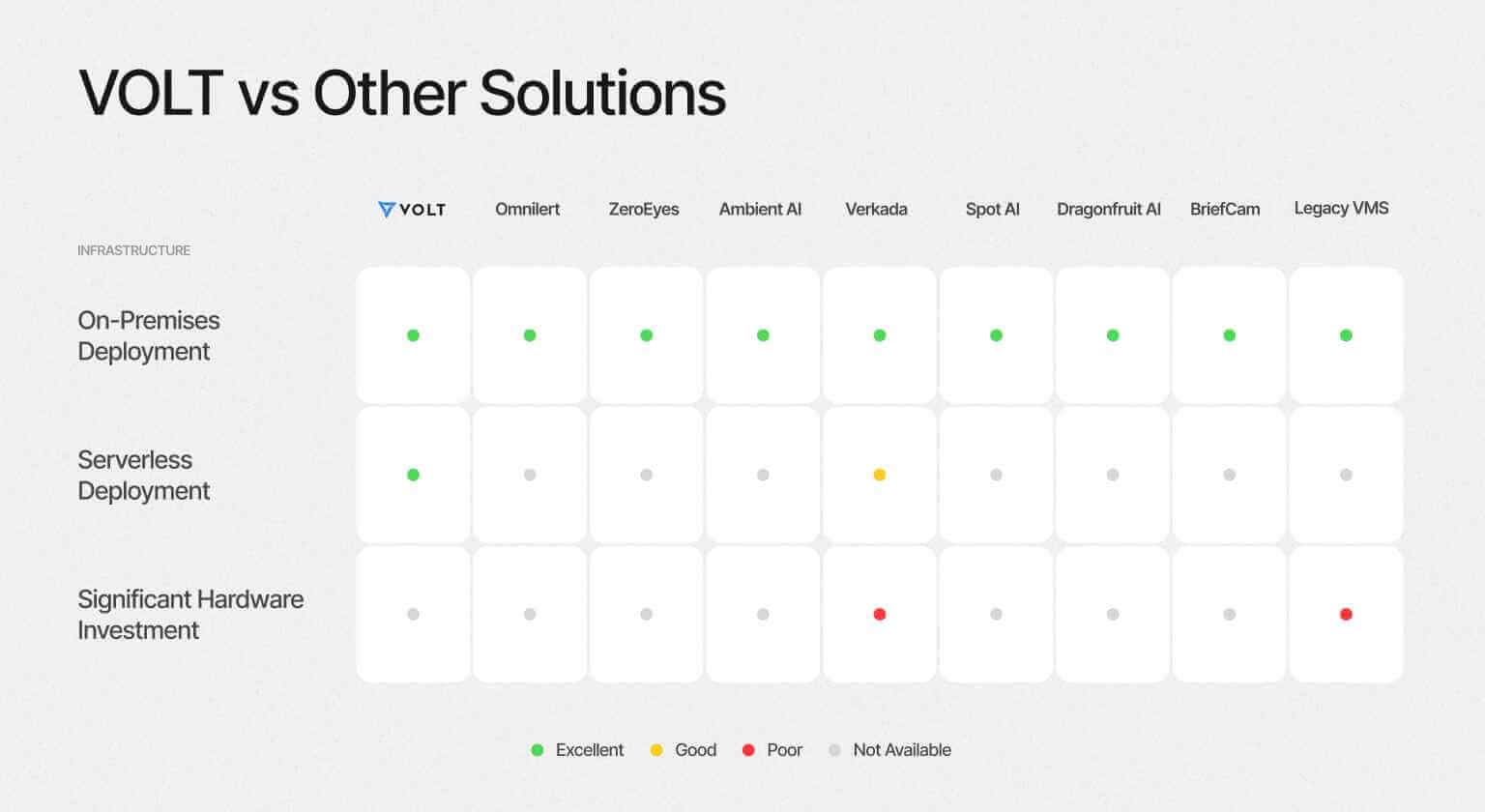
When implementing a new security system or upgrading an existing one, infrastructure considerations are paramount. The ability to deploy quickly, integrate with current systems, and minimize costs can make or break a security solution’s practicality.
- VOLT AI offers both serverless (cloud) and on-premises deployment options, providing flexibility for different organizational needs
- The serverless deployment eliminates physical server requirements, reducing costs and maintenance while enabling centralized management
- VOLT AI works with existing camera infrastructure - no proprietary hardware investments required, unlike competitors like ZeroEyes and Verkada
- The system integrates with various camera types and brands, allowing security enhancement without overhauling existing setups
- Organizations can scale security capabilities quickly across multiple locations with minimal disruption and IT resource requirements
- VOLT AI provides more robust integration capabilities and deployment flexibility compared to similar cloud-based solutions like Ambient.ai
- Infrastructure costs are minimized through compatibility with existing systems and no requirement for specialized hardware
Privacy Concerns
The Challenge: Students, parents, and staff often worry about privacy implications of AI surveillance.
The Solution: Address concerns proactively through:
- Clear communication about what the system does (and doesn't) do
- Emphasis on behavior detection rather than individual identification
- Transparent policies about data usage and retention
- Regular updates to the community about system benefits
- Strict access controls and audit trails
See VOLT on your own cameras.
A short call, your sites, and a clear view of what VOLT would notice.
No commitment · Runs on the cameras you already have